
Search results: 1466
To make Students learn structural and functional relationships in proteins and altering their structure in order
to function ‘better’. To provide basic knowledge of enzyme technology and use of enzymes as tools in industry, agriculture and
medicine
- Teacher: oviya R.P
Category: EVEN SEMESTER
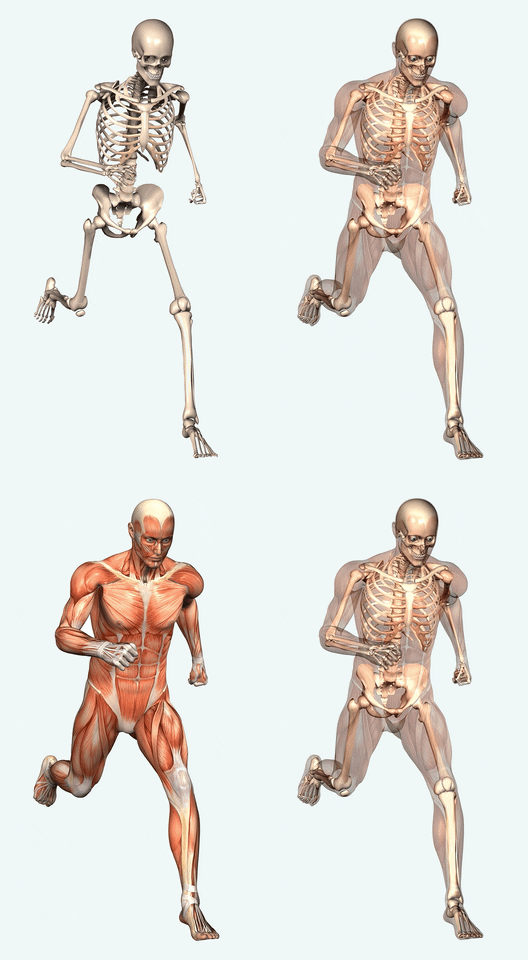
Scope: This subject is designed to impart fundamental knowledge of the structure and functions of the various systems of the human body. It also helps in understanding both homeostatic mechanisms. The subject provides the basic knowledge required to understand the various disciplines of pharmacy.
Objectives: Upon completion of this course the student should be able to
1. Explain the gross morphology, structure and functions of various organs of the human body.
2. Describe the various homeostatic mechanisms and their imbalances.
3. Identify the various tissues and organs of different systems of the human body.
4. Perform the various experiments related to special senses and the nervous system.
5. Appreciate the coordinated working pattern of different organs of each system
- Teacher: Dr.Aishwarya Srinivasan
Category: SCHOOL OF PHARMACY
This course is designed to impart basic knowledge on public health, epidemiology, preventive
care and other social health related concepts. Also, to emphasize the roles of pharmacists in the
public health programs.

- Teacher: Magaline Breezy M.K
Category: SCHOOL OF PHARMACY
|
SPYA4201 |
Core Practical 1 Experimental Psychology 1 |
L |
T |
P |
Credits |
Total Marks |
|
00 |
0 |
4 |
2 |
100 |
COURSE OBJECTIVES: 30 Hours
· To facilitate psychological testing and measurement, in view of an in-depth understanding of psychological processes.
Students are expected to administer, score and interpret ten of the following category.
1. Stress Coping Techniques
2. Meta Cognition Inventory
3.Self Concept Rating Scale
4.PGI Memory Scale
5.Human Maze Learning
6.Span of attention (Tachistoscope)
7.Study habits inventory
8.Comprehensive interest schedules (Female & Male)
9.Bells Adjustment Inventory
10. Muller lyer Illusion
11. Creativity test
References
1. Woodworth, R.S. and Scholesberg (1972) Experimental psychology. Holt, Rinehart & Winston.
2. Anastasi. & Susana Urbina (2004) 7th Edition.Psychological Testing, Pearson Education Inc., New Delhi.
3. Cronbach, L.J. (). Essentials of Psychological Testing.
4. Parameswaran & Ravichandra (2003) Experimental Psychology. Neel Kamal Publications.
COURSE OUTCOMES:
1. Students will understand psychological testing and measurement, in view of an in-depth understanding of psychological processes.
2. Students will evaluate major concepts and empirical findings in tests and measurements.
3. Students will analyse real examples of psychological tests for usefulness, applicability, strengths and weaknesses, and validity.
4. Students will apply methods for evaluating the quality of psychological tests to real examples of psychological tests.
5. Students will remember knowledge of testing methods to measurement in real world situations.
6. Students will create material that compares and contrasts perspectives on some controversial issue (e.g., intelligence testing) within the field of psychological testing.
- Teacher: Dr.Parveen Banu R
Category: ODD
|
SPSY4501 |
Core Practical 4 Experimental Psychology 4 |
L |
T |
P |
Credits |
Total Marks |
|
0 |
0 |
4 |
2 |
100 |
COURSE OBJECTIVES: 30 Hours
· To facilitate psychological testing and measurement, in view of an in-depth understanding of psychological processes.
Students are expected to administer, score and interpret ten of the following category
1 Emotional Intelligence
2. Experiments on Social conformity
3. Psychological Hardiness
4. Peer Pressure Scale
5. General Wellbeing
6. Mental Health Chick list
7. Achievement Motivation
8. Mirror drawing
9. Job Involvement Scale
10. Job satisfaction
11. Organizational Climate
12. Stress Scale
References
1.Woodworth, R.S. and Scholesberg (1972) Experimental psychology. Holt, Rinehart & Winston.
1. Anastasi. & Susana Urbina (2004) 7th Edition. Psychological Testing, Pearson Education Inc., New Delhi.
COURSE OUTCOMES:
1. Students will apply methods for evaluating the quality of psychological tests to real examples of psychological tests.
2. Students will remember knowledge of testing methods to measurement in real world situations.
3. Students will create material that compares and contrasts perspectives on some controversial issue (e.g., intelligence testing) within the field of psychological testing.
- Teacher: Dr.Parveen Banu R
Category: ODD
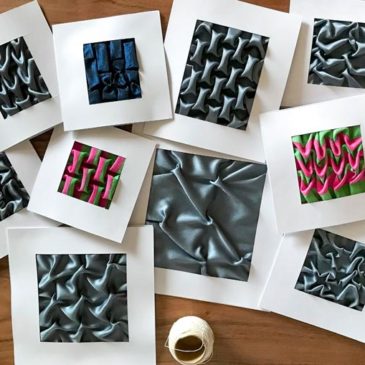
FABRIC MANIPULATION TECHNIQUES
COURSE OBJECTIVES:
- To develop skills in fabric manipulation techniques through subtraction and construction techniques.
- To enhance the student’s skills in fabric manipulation and improve the style to putting their own stamp on their project.
- To create a decoration to enhance its attraction to the individual.
LIST OF EXERCISES:
- Embroidery and fabric manipulation - Gathering, Shirring, Pleating, Tucking, Smocking, And Quilting.
- Embellishment through addition - Appliqué/ Applied Works, Piping Couching, Stitching/ Hand Stitching,
Beads and beading
- Embellishment through subtraction - Decoupe/ Reverse Technique, Cutwork, Drawn Thread, Pulled Work
- Beads and beading - Tambour Work, Hand Beading, French Beading
- Construction techniques - Patchwork, Applied Patchwork, Long Cabin Patchwork, Trimming (Fringe Trim, Sewing Trim)
- Teacher: Priyadarshini R
Category: EVEN

- Teacher: Anjana Lakshmi .
- Teacher: Yuva Poornima A
- Teacher: JANVIASHIKA G
- Teacher: Yazhini Kuppusamy
- Teacher: V. POOJASREE
Category: EVEN SEMESTER
Fashion Illustration is the art of communicating fashion ideas in a visual form that originates with illustration, drawing and painting and also known as Fashion sketching, Fashion sketching plays a major role in designing to preview and visualize designs before sewing actual clothing.

- Teacher: Priyadarshini R
Category: EVEN
COURSE OBJECTIVES
- To introduce students to aspects of fashion marketing and retailing
- To impart knowledge about various product standards and product specifications and the process of product development towards market need.
UNIT I (9Hrs)
Market - Meaning, Definition and Classification; Fashion Market - Activities of Fashion Marketing, Fashion Market Size and Structure, Marketing Environment - Micro and Macro Marketing Environment.
UNIT II (9Hrs)
New product development - Planning, design and development – Product Classification, Product life cycle – Concept of Marketing Mix, Market Segmentation, Targeting and positioning - Perpetual mapping- Product Mix and Range planning. Marketing research process. Pricing - objectives and methods of setting prices.
UNIT III (9Hrs)
Distribution Channels - Types, Levels, development. Promotion Mix – Analytical tools- BCG matrix, GE model. Consumer Behavior - influencing factors – Consumer Buying process. Types of Buyers. Brand development- Branding and its importance in Marketing. Retailing and wholesaling – promotion methods.
UNIT IV (9Hrs)
Fashion Retailing - Classification of Retailers – Onsite Retailing and Off-site Retailing; Types of Retail Store; Merchandising mix- Order Management- Out Sourcing – Vendor Management – Export Documents. Role of a fashion buyer, Fabric sourcing, Garment sourcing, Local sourcing, National sourcing & International sourcing. Range Planning.
UNIT V (9Hrs)
Fashion sales promotional programme for fashion marketing, communication in prop motion, Personal selling, and point of purchase. Fashion Advertising and preparation of advertising for apparel market, Advertising media used in apparel market, Apparel & Textile Trade s
Category: EVEN
Fashion Marketing and Retailing
COURSE OBJECTIVES
- To introduce students to aspects of fashion marketing and retailing
- To impart knowledge about various product standards and product specifications and the process of product development towards market need.
UNIT I (9Hrs)
Market - Meaning, Definition and Classification; Fashion Market - Activities of Fashion Marketing, Fashion Market Size and Structure, Marketing Environment - Micro and Macro Marketing Environment.
UNIT II (9Hrs)
New product development - Planning, design and development – Product Classification, Product life cycle – Concept of Marketing Mix, Market Segmentation, Targeting and positioning - Perpetual mapping- Product Mix and Range planning. Marketing research process. Pricing - objectives and methods of setting prices.
UNIT III (9Hrs)
Distribution Channels - Types, Levels, development. Promotion Mix – Analytical tools- BCG matrix, GE model. Consumer Behavior - influencing factors – Consumer Buying process. Types of Buyers. Brand development- Branding and its importance in Marketing. Retailing and wholesaling – promotion methods.
UNIT IV (9Hrs)
Fashion Retailing - Classification of Retailers – Onsite Retailing and Off-site Retailing; Types of Retail Store; Merchandising mix- Order Management- Out Sourcing – Vendor Management – Export Documents. Role of a fashion buyer, Fabric sourcing, Garment sourcing, Local sourcing, National sourcing & International sourcing. Range Planning.
UNIT V (9Hrs)
Fashion sales promotional programme for fashion marketing, communication in prop motion, Personal selling, and point of purchase. Fashion Advertising and preparation of advertising for apparel market, Advertising media used in apparel market, Apparel & Textile Trade shows and fairs. Advertising department and advertising agencies – structure and functions. Advertising Budget
TEXT /REFERENCE BOOKS:
1. Fashion Marketing- Mike Easey, Black Well Science Ltd., United Kingdom. 1995.
2. Apparel Merchandising, An Integrated Approach, Krishnakumar.M, Abishek Publications 2010.
3. Apparel Merchandising, Robin Mathew, Book Enclave Publishers, Jaipur (2008).
4. Retail Management, Chetan Bajaj, RajnishTuli and Nidhi.V.Srivastava, Oxford University Press, New Delhi 2005.
5. Advertising, C N Sonatakki, Kalyani Publishers New Delhi 1989.
6. Marketing, RSN Pillai and Bhagavathi.S, Chand And Company Ltd, New Delhi 1987.
7. Fashion retailing: A multi-channel approach Diamond, ENew Jersey: Pearson/Prentice Hall. 2006.
8. Inside the fashion business.Jarnow, J., Guereira, M. & Judelle, B. (4thEd.). MacMillan: New York, 1987.
9.. Fashion marketing, Ed. Hines, T. and Bruce, M. Buttersworth Heinemann,Oxford. 2001

- Teacher: Priyadarshini R
Category: EVEN
COURSE OBJECTIVES:
- To impart knowledge about fashion Industry.
- To Understand fashion Basics and terminologies.
- To know the various international fashion centers Brands.
UNIT I
Introduction to fashion - definition and origin. Fashion terminologies – Classic, FAD, Style, Trend, prêt-à-porter, Mass Fashion, Street Fashion, Fashion forecasting, Boutique, Haute couture, line, Collection, Avantgarde, Custom made. Factors influencing fashion – Political and legal, Geographic, Demographic, technological, economic, social and cultural, factors, Life style changes etc.
UNIT II
Levels of fashion industry- Couture, Ready to wear, Mass production. Fashion Focus –The designers Role, The Manufacturers Role, The Retailers Role. Scope of Fashion Business – Primary Level, Secondary Level, Retail level and the Auxiliary level.
UNIT III
Types of designers – High fashion Designer, Stylist, and Freelance Designer. Sources of design inspiration. Biography of various Indian Fashion designers - Manish Malhotra, Ritu kumar, Ritu berri, Tarun Tahilani, Wendell Rodricks, Abu Jani and Sandeep Khosla, JJ Valaya, Manish Arora, and Rohit Bal. Study of international Designers - Coco Chanel, CK, Donatella Versace, Gucci, Giorgio Armani.
UNIT IV
Study of International Fashion centers – France, Italy, England, Germany, Canada, New York. Study of Fashion Brands –National Brand - International Brand - Designer Brand, Luxury fashion brand.
UNIT V
Theories of Fashion - Trickle up, Trickle-down and Trickle across. Fashion Cycle - Classic, FAD, Trend, Style. Fashion Seasons – International market and Indian market. The concepts of formal wear, casual wear, party wear, sportswear, jeanswear, swimwear, beachwear, and its functional aspects.
COURSE OUTCOMES
On successful completion of the course, the students will able to
CO1: Gain knowledge on fashion terminologies.
CO2: Understand the levels of fashion Industry.
CO3: Obtain knowledge about the success of various fashion designers.
CO4: Gain knowledge on Fashion Capitals and Fashion Brands.
CO5 Understand the theories of fashion.

- Teacher: gayathri N
Category: EVEN
Fashion forecasting is a global career that focuses on upcoming trends. A fashion forecaster predicts the colors, fabrics, textures, materials, prints, graphics, beauty/grooming, accessories, footwear, street style, and other styles that will be presented on the runway and in the stores for the upcoming seasons.
This trend forecasting course will provide you with the tools to research and spot trends, using a range of resources and visual imagery. Discover the importance of the production and retail calendars and understand how they impact trends. Explore the impact of lifestyle influences on fashion trends, from music to the arts, youth culture and social media. This online course will increase your awareness of trends, and their impact on the fashion industry as a whole, and you'll hone the skills to spot them for yourself.

Category: ODD
Course Objectives:
· To familiarize students through an effective blend of theory and practice in translation
· To focus the key concepts of the translation studies through various texts.
· To implement the diverse approaches and strategies of translation.
· To compare a variety of issues in relation to translation.

- Teacher: LIZY BOSCO
Category: School of Science and Humanities
Course objectives:
To understand literary texts and their authors in cultural and historical context.
To enhance reading literary fiction to develop empathy, theory of mind, and critical thinking.
To identify and cogently discuss the literary style of a text.
To interpret the literary images and symbols to infer their relationship to the main themes.

Category: School of Science and Humanities
Filmmaking (or, in any context, film production) is the process by which a film is made. It's a non-linear methodology that evolved from the practical experiences in its beginnings, which was framed by what technology would allow; initially cameras holding only 10 minutes of negative raw stock at a time yet easily mobile. The methodology allowed for shots to be repeated as often as necessary for best performance and scenes shot out of order for the advantage of convenience and economics. The process is used today in the making of theatrical films, films made for cable, terrestrial television, streaming platforms, and is a process familiar to making documentaries, music videos, and student films. Filmmaking involves a number of complex and discrete stages including an initial story, idea, or commission, through screenwriting, casting, shooting, sound recording and pre-production, editing, and screening the finished product before an audience that may result in a film release and an exhibition. Filmmaking takes place in many places around the world in a range of economic, social, and political contexts, and using a variety of technologies and cinematic techniques.A film that was produced with the intent of fitting into a specific genre (such as science fiction, romantic comedy, horror, or film noir) with an existing audience.

- Teacher: Dr. A R VIMAL RAJ
Category: ODD
- Teacher: Director Admin
Category: Circulars and Notifications

A more advanced technique of dental prosthesis which involves preparation of supporting teeth and elaborate/laborious laboratory procedures in fabricating a fixed denture with extensive knowledge in materials used, such as casting alloys, casting procedures, and investments, dental ceramics. This course deals with the biological, mechanical, and aesthetic details in fabricating a fixed partial denture for adults.

Category: SCHOOL OF DENTAL SCIENCES
Food microbiology is the study of interaction of microorganisms and food in relation to food-borne diseases, food spoilage and fermented dairy products
The purpose of this course is to make students to learn about the microorganisms and their relationship to agriculture and environment

- Teacher: Dr. Gayathri P
Category: Allied Health Sciences