
Search results: 406
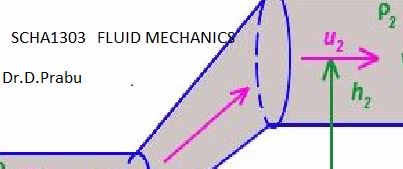
Fluid mechanics is the branch of physics concerned with the mechanics of fluids (liquids, gases, and plasmas) and the forces on them. It has applications in a wide range of disciplines, including mechanical, civil, chemical and biomedical engineering, geophysics, oceanography, meteorology, astrophysics, and biology.
- Teacher: Prabu Deivasigamani
Category: ODD SEMESTER
Fluid mechanics is the branch of physics concerned with the mechanics of fluids (liquids, gases, and plasmas) and the forces on them. It has applications in a wide range of disciplines, including mechanical, civil, chemical and biomedical engineering, geophysics, oceanography, meteorology, astrophysics, and biology
- Teacher: Prabu Deivasigamani
Category: ODD SEMESTER
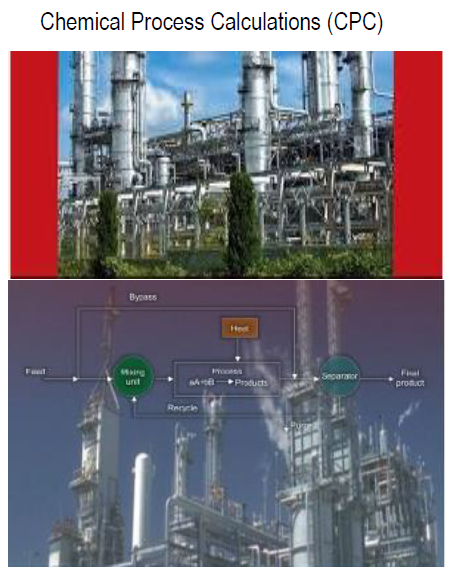
Fundamental concepts, Units and Dimensions, gas relationship, molarity, molality, normality, partial pressure, pure volume and the related calculations. fundamental concepts of material balance. Material balance in various unit processes and unit operations. Material balance with chemical reactions Energy balance related to various process equipment. Calculation of standard heat of reaction from the heat of formation and heat of combustion, thermochemistry, energy balance in various unit operations, the heat of solutions, the heat of neutralization etc. Fuels and combustion calculation, proximate and ultimate analysis, adiabatic reaction temperature, air to fuel ratio, complex processes calculation.
Category: ODD SEMESTER
As chemical engineers, this course will be helpful to understand the processes technologies of various organic and inorganic process industries for manufacturing chemicals and associated troubleshoot. This will give powerful approach in designing new process and product development.
- Teacher: Annam Renita A
Category: ODD SEMESTER
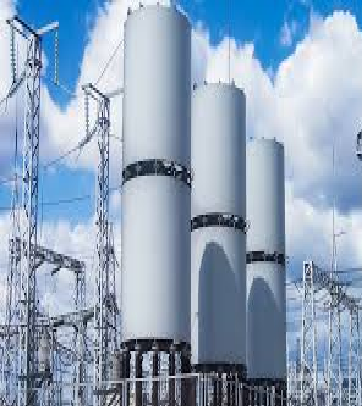
To impart knowledge on the kinetics of isothermal and non-isothermal reactions for simple and multiple reactors
- Teacher: Annam Renita A
Category: EVEN SEMESTER
To impart knowledge on the kinetics of reactions for simple and multiple
reactors
- Teacher: Annam Renita A
Category: ODD SEMESTER
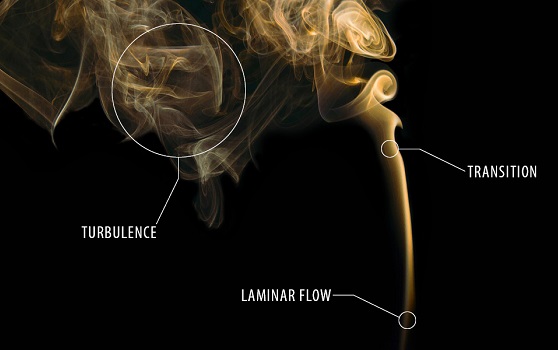
To understand the flow, temperature field in engineering problems and diffusion in mass transfer operations.
Students can develop a Computational Fluid Dynamics code to solve chemical engineering problems.
- Teacher: JINO L
Category: ODD SEMESTER
Plant Design
Economics Introduction
Time value of money
Depreciation
Balance sheet and income statements

- Teacher: Prabu Deivasigamani
- Teacher: Michael Rahul Soosai
Category: ODD SEMESTER
Process Engineering Economics is an important element of the Chemical Engineering discipline and
is concerned with the Optimization of profit which is determined by the process
engineering design and ultimately operation. The Optimization, therefore, requires an
ability to determine the influence of processing techniques and sequencing, and
equipment design and operating parameters on the economic performance.
Category: ODD SEMESTER
Process economics is an important element of the Chemical Engineering discipline and is concerned with the Optimization of profit which is determined by the process engineering design and ultimately operation. The Optimization, therefore, requires an ability to determine the influence of processing techniques and sequencing, and equipment design and operating parameters on the economic performance.
Despite the Chemical Process Industries covering a diverse range of products the
principles in determining the value of these processes are the same and are drawn from economics. This subject will discuss the main methods employed to evaluate projects and
optimize operations in the Chemical Process Industries.
- Teacher: Prabu Deivasigamani
Category: EVEN SEMESTER
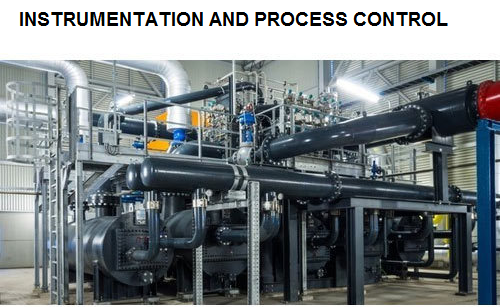
This course enables the students to know about control methods and make the students knowledgeable in
various types of measuring instruments used in chemical process industries
Category: ODD SEMESTER
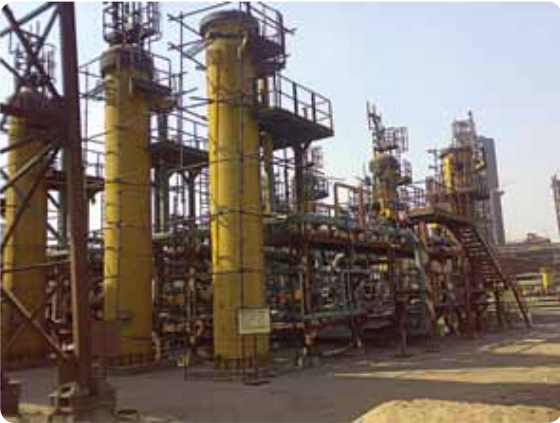
To familiarize the methods of accounting non ideal behavior of reactors, heterogeneous reactors for solid catalyzed reactions and non-catalytic fluid particle reactions
- Teacher: Annam Renita A
Category: ODD SEMESTER
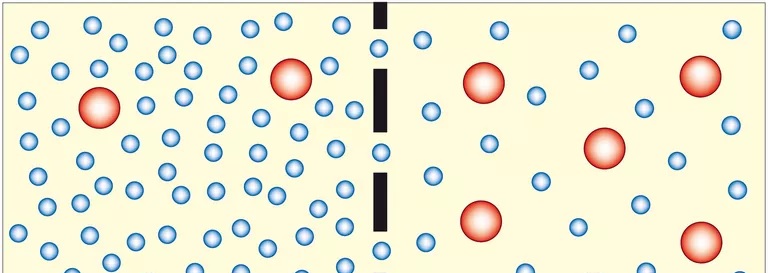
The subject deals with transport processes involved in fluid flow acquiring momentum, heat and mass flux. The subject also involves the Kinetics for microbial growth and measurement of the associated parameters through various kinetic models. Also the kinetic diffusion strategies is demonstrated using various equations and measurement techniques. Momentum, heat and mass transport share a very similar mathematical framework for fluid flow processes and the similarities between them are exploited to provide a deep understanding in microbial kinetic evaluations through different model equations.
- Teacher: Venkatesan D
- Teacher: Michael Rahul Soosai
Category: ODD SEMESTER
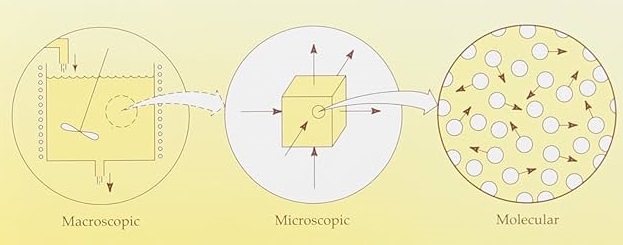
The study of transport phenomena concerns the exchange of mass, energy, charge, momentum and angular momentum between observed and studied systems.
- Teacher: Sathish S
- Teacher: Michael Rahul Soosai
Category: ODD SEMESTER
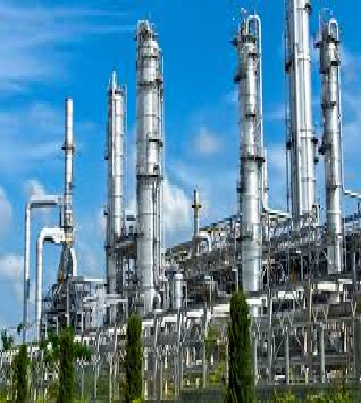
To provide an adequate knowledge on process engineering and their applications in process industries
- Teacher: Annam Renita A
Category: ODD SEMESTER
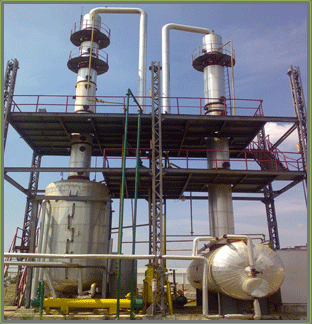
To provide an adequate knowledge on process engineering and their applications in process industries
- Teacher: Sathish S
Category: ODD SEMESTER