
Search results: 406

Mechanism
Types
Prevention
Advancement
Case studies
- Teacher: Prabu Deivasigamani
- Teacher: Karthikeyan Jayabalan
- Teacher: MATHIYARASI M
- Teacher: Michael Rahul Soosai
Category: EVEN SEMESTER
Energy engineering or Energy Systems Engineering is a broad field of engineering dealing with energy efficiency, energy services, facility management, plant engineering, environmental compliance, sustainable energy and renewable energy technologies.

- Teacher: Prabu Deivasigamani
- Teacher: GokulNath R
Category: EVEN SEMESTER
Energy engineering is a broad field of engineering dealing with energy efficiency, energy services, facility management, plant engineering, environmental compliance, sustainable energy and renewable energy technologies. Energy engineering is one of the more recent engineering disciplines to emerge.

- Teacher: Prabu Deivasigamani
- Teacher: Karthikeyan M
Category: ODD SEMESTER
- Teacher: Sathish S
Category: ODD SEMESTER
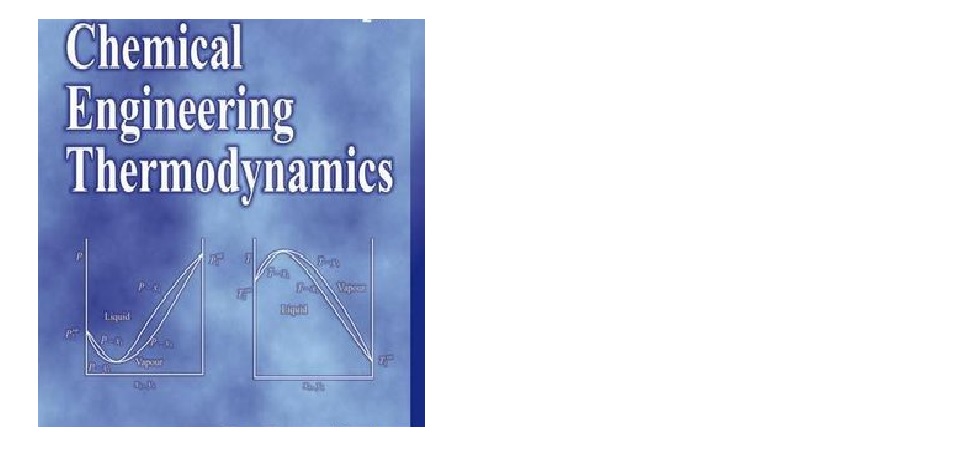
The science of thermodynamics deals with energy and its transformation. It tells us about the direction in which changes take place in nature. It also determines the conditions under which a proposed change attains a state of equilibrium.
We have seen that the thermodynamic properties of homogeneous pure substances depend only on the state of the system. The relationships developed for pure fluids are not applicable to solutions and need modification. The thermodynamic properties of solutions and heterogeneous systems consisting of more than one phase are influenced by the addition and removal of matter. The term solution includes homogeneous mixtures of two or more components in the gas, liquid or solid phase. The pressure, temperature and the amount of various constituent’s present determine the extensive state of a solution; and pressure, temperature and composition determine the intensive state. We discuss how the thermodynamic properties of a solution are determined and introduce certain concepts that are essential to the study of phase equilibria and chemical reaction equilibria.
- Teacher: Venkatesan D
Category: ODD SEMESTER
Heat transfer is a discipline of thermal engineering that concerns the generation, use, conversion, and exchange of thermal energy (heat) between physical systems. Heat transfer is classified into various mechanisms, such as thermal conduction, thermal convection, thermal radiation, and transfer of energy by phase changes.
Mass transfer is the net movement of mass from one location, usually meaning stream, phase, fraction or component, to another. Mass transfer occurs in many processes, such as absorption, evaporation, drying, precipitation, membrane filtration, and distillation.

- Teacher: Prabu Deivasigamani
Category: Semester 4
In a scientific sense, a chemical process is a method or means of somehow changing one or more chemicals or chemical compounds. Such a chemical process can occur by itself or be caused by an outside force, and involves a chemical reaction of some sort. In an "engineering" sense, a chemical process is a method intended to be used in manufacturing or on an industrial scale (see Industrial process) to change the composition of chemical(s) or material(s), usually using technology similar or related to that used in chemical plants or the chemical industry.
- Teacher: Prabu Deivasigamani
Category: ODD SEMESTER
COURSE OBJECTIVES
- To understand the organization of a computer, and the hardware-software interface
- To know about the various components of a computer and their internal architecture
- To have an overview of operating system, deadlock and paging with its functionality
COURSE OUTCOMES
On completion of the course, student will be able to
CO1 - Understand the micro level dataflow in various units of computer
CO2 - Demonstrating the impact of control memory operations and multi-process or characteristics
CO3 - Examining the different types of memory and experimenting the mapping techniques
CO4 - Select the suitable process scheduling technique for optimized function of operating systems
CO5 - Critically upraising the deadlock in CPU and other memory management techniques
CO6 - Design and Developing optimized architecture for stand-alone applications

- Teacher: MUTHIAH M. A
- Teacher: Vijaya Baskar V
Category: ODD SEMESTER
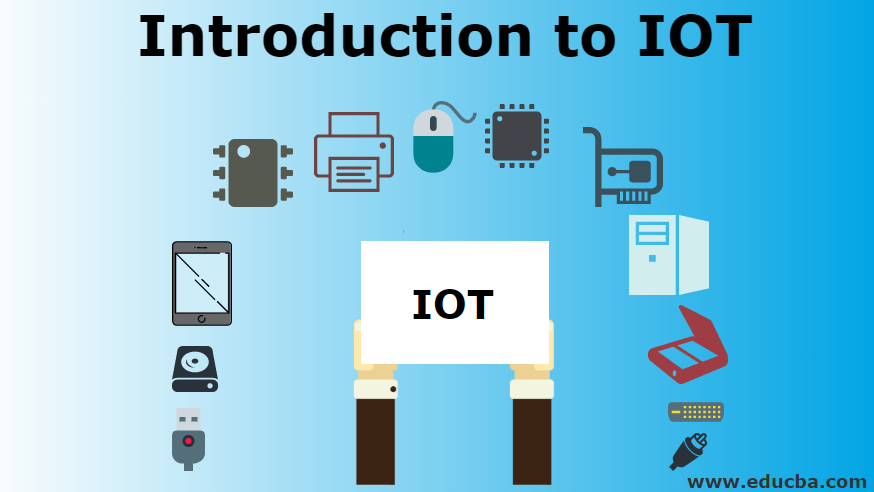
· To understand the concepts of Internet of Things
· To identify the various elements of an IoT System.
· To understand the various means of communication from Node / Gateway to Cloud Platforms.
· To transfer data from IoT devices to various cloud providers.
· To make students aware of various domain specific applications and challenges while implementing IoT solutions.
- Teacher: Menaka D
- Teacher: EBENEZAR JEBARANI M R
Category: ODD SEMESTER
On completion of the course, student will be able to
CO1 - Understand the micro level dataflow in various units of computer.
CO2 - Demonstrating the impact of control memory operations and multi-process or characteristics.
CO3 - Examining the different types of memory and experimenting the mapping techniques.
CO4 - Select the suitable process scheduling technique for optimized function of operating systems.
CO5 - Critically upraising the deadlock in CPU and other memory management techniques.
CO6 - Design and Developing optimized architecture for stand-alone applications.

- Teacher: Vijaya Baskar V
Category: SCHOOL OF ELECTRONICS
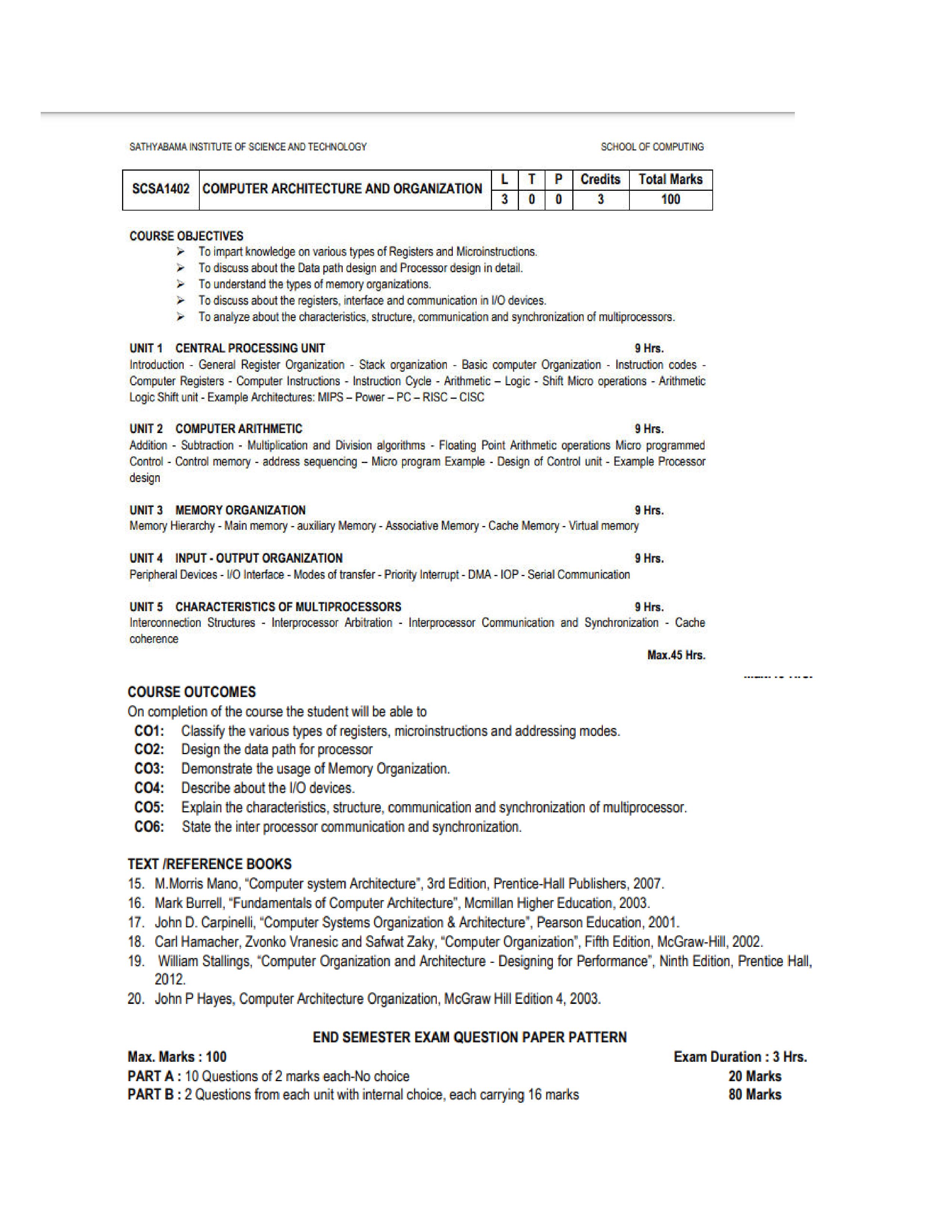
COURSE OBJECTIVES
➢ To impart knowledge on various types of Registers and Microinstructions.
➢ To discuss about the Data path design and Processor design in detail.
➢ To understand the types of memory organizations.
➢ To discuss about the registers, interface and communication in I/O devices.
➢ To analyze about the characteristics, structure, communication and synchronization of multiprocessors
- Teacher: SATHIYARAJ A
- Teacher: Viji Amutha Mary A
- Teacher: Geetha C
- Teacher: LAVANYA G
- Teacher: Sukanya G
- Teacher: Gowri M
- Teacher: Asha R
- Teacher: LAKSHMI PRIYA S
- Teacher: Urmela S
Category: Semester 5
CO1:Address the challenges in Conventional System and to deal with missing and incomplete data.
CO2: Understand the various phases of Data Analytic Lifecycle and its influence over Business Models.
CO3: Analyse distinct techniques for Classification and Clustering.
CO4: Apply the principles of Neural Networks and Fuzzy Logic towards advanced data analytics.
CO5: Synthesize knowledge to address Streaming Data Models and Computing.
CO6: Design and Build Real Time Applications with Streaming Data Model

Category: ODD SEMESTER
COURSE OBJECTIVES
➢ To introduce basics of cyber-physical system and Industrial revolution 4.0 concepts.
➢ To develop an exposition of the challenges in implementing a cyber-physical system.
➢ To analyze the functional behavior of CPS based on standard modelling formalisms.
➢ To design CPS requirements based on operating system and hardware architecture constraints.
➢ To understand the concepts involved in Cyber Physical Systems Security.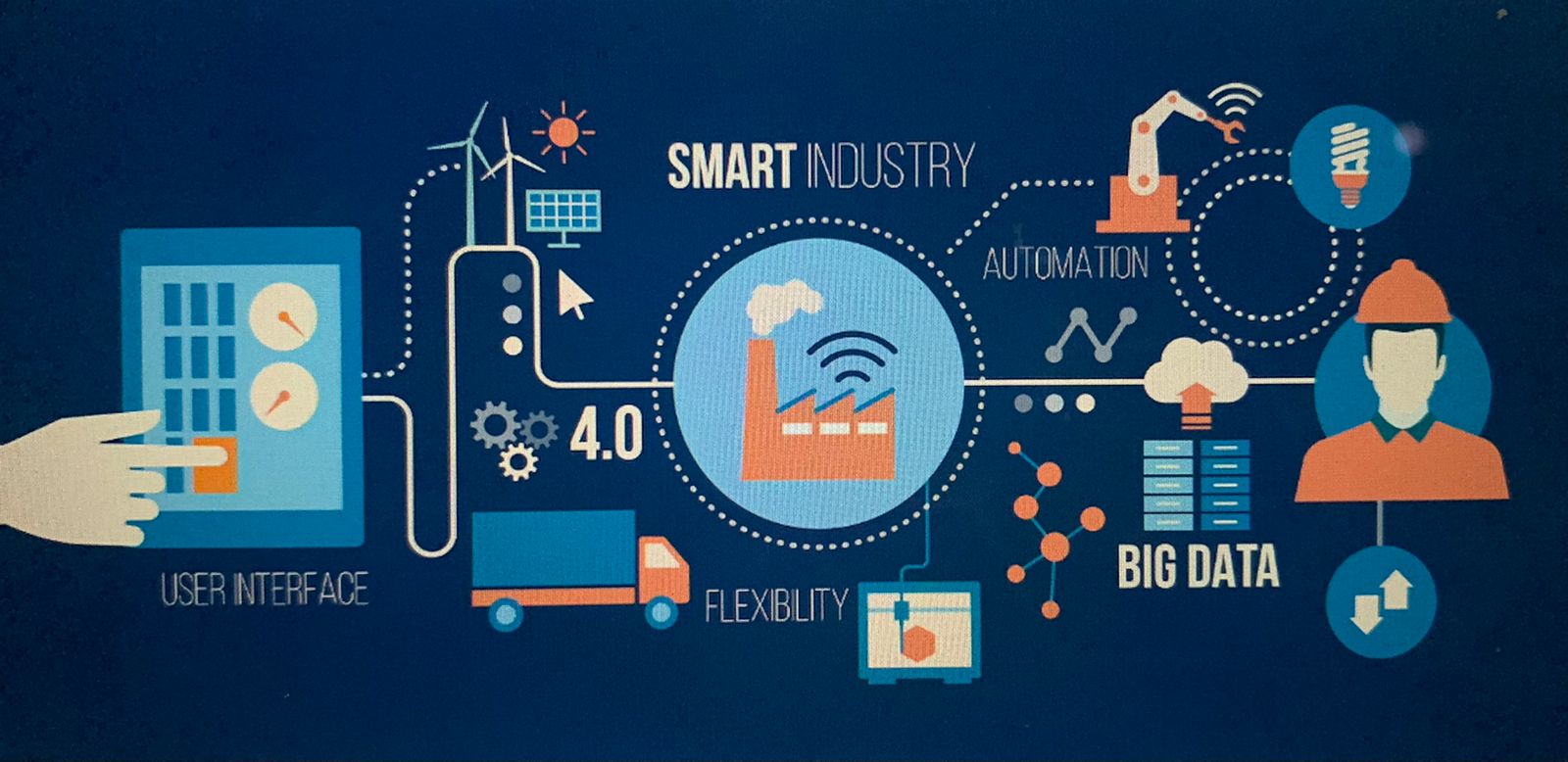
- Teacher: Parveen Akhther A
- Teacher: Viji Amutha Mary A
- Teacher: Poornima D
- Teacher: RAJASHREE S
- Teacher: Saranya S
- Teacher: Divya V K
Category: Semester 7
On completion of the course, student will be able to
CO1 - Acquaint students with core knowledge in visual information processing and learning.
CO2 - Implement Digital Image Processing Mechanisms.
CO3 - Analyze and design Digital Image Generation Mechanisms.
CO4 - Representation of geometry and subdivision methods.
CO5 - Describe the Learning Methods in Vision.
CO6 - Comprehend the concepts related three dimensional object representations

Category: ODD SEMESTER
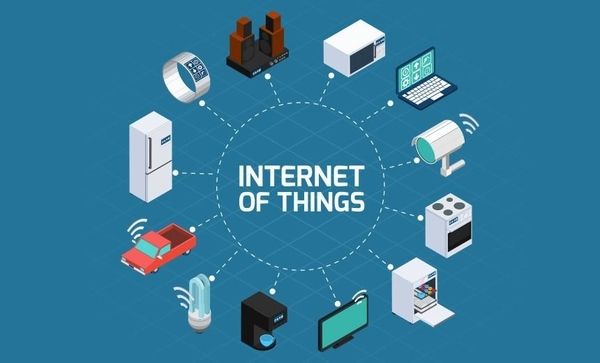
Ø To understand the concept of Internet of Things.
Ø To identify the various elements of an IoT System.
Ø To understand the various means of communication from Node / Gateway to Cloud Platforms.
Ø To understand Cloud Computing & its relevance in IoT.
Ø To identify types of data analytics and data visualization tools.
Ø To make students aware of security concerns and challenges while implementing IoT solutions.
- Teacher: Subhashini R
Category: ME - CSE
1. Write a notes on Security issues in Blockchain
2. Briefly Describe Trusted Execution Environment
3.Connecting Smart Contract with Front-End Application
4.Briefly Describe Sharding Technique and Its Benefits
5. Briefly Describe Blockchain in Health 4.0
- Teacher: Madhumathi M
- Teacher: Saravanan M
- Teacher: PRADNYA BALASAHEB PATIL
Category: SCHOOL OF COMPUTING
This
course enables the students to understand the second and third laws of
thermodynamics and their applications; the concepts and applications of
electromotive force; the kinetics and mechanisms of chemical reactions; about
adsorption, homogeneous and heterogeneous catalysis and the laws and kinetics
of photochemical reactions.
- Teacher: Krithiga T
Category: EVEN SEMESTER