
Search results: 1466
END SEMESTER EXAMINATION QUESTION PAPER PATTERN
Max. Marks:100 ExamDuration:3Hrs.
PARTA: 10 Questions of 2 marks each – No choice 20 Marks
PARTB: 2 Questions from each unit of internal choice; eachcarrying16 Marks 80MarkS
|
SPYA1203 |
Open Elective 2 - Health Psychology |
L |
T |
P |
Credits |
Total Marks |
|
3 |
1 |
|
4 |
100 |
Unit I : Introduction (15 Hours)
Mind-body relationship Health: Meaning – definition – Health Psychology: Definition - History of health psychology – adopting health related behavior – seeking medical attention – receiving healthcare care. Functions and need of health psychologists; Biopsychosocial Model
Unit II: Stress and Coping (15 Hours)
Theories of stress (Selye and Lazarus) - Stress and health: Sources of Chronic Stress - Stress related illness (PTSD and Acute stress disorder - Digestive system disorders – Asthma - Recurrent Headaches) Psychoneuro-immunology - Moderators of the stress experience - Coping with Stress
Unit III : Pain (15 Hours)
Psychological factors and pain - Individual differences in reactions to pain - Types of Pain - Assessment of Pain - Pain Control Techniques
Unit IV: Chronic illness and Management(15 Hours)
Cardiovascular diseases - Cancer - AIDS.Living with chronic illness, Quality of life, Emotional response to chronic illness, Rehabilitation,psychological interventions
Unit V : Health and Behavior (15 Hours)
Health compromising behaviors: Smoking, Alcoholism and substance abuse.Health enhancing behavior: Weight control, Diet, Exercise, Yoga
References:
1.Taylor, S.E. (2006) . Health Psychology. New Delhi : Tata Mc Graw-Hill
2.Sarafino, E.P. & Smith, T.W. (2012). Health Psychology :Biopsychosocial interventions. New
Delhi : Wiley
3.Linda Brannon and Jesse Feist, (2007): Introduction to Health Psychology, New
Delhi: Akash Press
Category: EVEN SEMESTER
LIST OF EXPERIMENTS
1. HEAT TRANSFER THROUGH COMPOSITE WALL
2. MEASUREMENT OF SURFACE EMMISSIVITY
3. HEAT TRANSFER THROUGH LAGGED PIPE
4. HEAT TRANSFER THROUGH NATURAL CONVECTION
5. COUNTER FLOW HEAT EXCHANGER
6. PARALLEL FLOW HEAT EXCHANGER
7. THERMAL CONDUCTIVITY OF METAL ROD

Category: EVEN SEMESTER
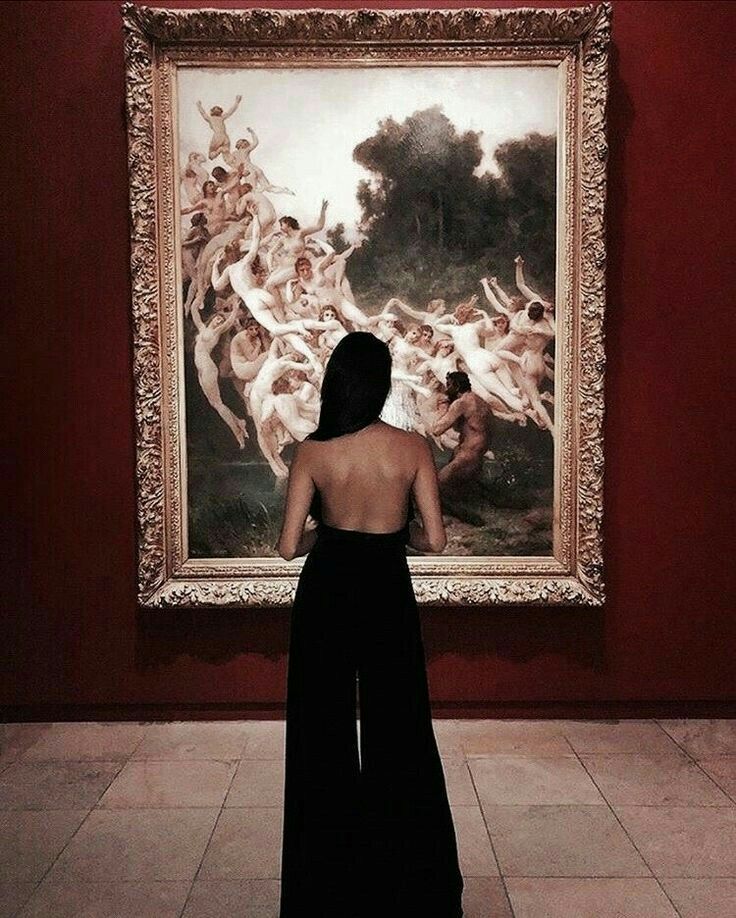
HISTORY OF ART AND FASHION
Over the years, art and fashion have enjoyed a rich relationship, sometimes bold Equally, designers may have more subtle influences from an art,This subject is to initiate the students into the contextual basis of study of art ,costume, fashion and design in the history of different civilizations.
UNIT I (9Hrs)
Introduction to Art and Design History - Basic parameters for historical study of art, design and fashion, Influence of Design Aesthetics on art and fashion, Evolution the category of designer as distinct from the artist, craftsman and technologist.Timeline- prehistoric, ancient, middle, renaissance, early modern, modern and now.
UNIT II (9Hrs)
Emergence of Institutions like the Museum, Department Store and the Corporation. Objects of desire- Design and Society since 1750.Culture and Society. Twentieth Century Design, Design History.
UNIT III (9Hrs)
Design, the Industrial Revolution, Colonialism and the Coming of Modernity. Colonial design: Ideology, Economy & Patronage.
UNIT IV (9Hrs)
Design and Nationalism: The Case of India. Design Movements: Influences and Inspirations. Sustainable expressions.
UNIT V (9Hrs)
Products and Styles in other fields-Ceramics, Furniture, Interiors, Graphics etc. Arts and crafts Movement 1850-1900, Art Nouveau 1890-1905, The Machine Aesthetic 1900-1930. Art Deco 1925-1939, Streamlining-Consumerism and Style 1935-1955, Pop - Age of Affluence 1955-1975, Modernism, Post Modernism/Retro and Vernacular, Street Influence,Contemporary Thoughts in design.
Max.45 Hours
COURSE OUTCOMES:
On successful completion of the course, the students will be able to
CO1 Understand the relationship between art and fashion
CO2 Develop inspiration from contemporary designs
CO3 Elaborate the Design and Nationalism
CO4 Build the essential knowledge in history of Art and Craft
CO5 Explore and generate ideas on subjects of art and fashion
TEXT/ REFERENCE BOOKS
1. Clothing art, the visual culture of fashion, 1600-1914 yale university press; 1 edition. 2017.
2. Fashion: the definitive history of costume and style, dk; 1st edition edition , 2012.
3. Fashion and art, adam geczy, vicki karaminas, 2012
- Teacher: Priyadarshini R
Category: ODD
To understand the tradition and culture of various region of India and their adaptation in interiors.
To develop an insight into the evolution of interiors in Chinese, Japanese and Islamic culture.
To introduce the evolution of interiors in Nordic culture.
To impart the design practices of the contemporary interiors.
- Teacher: Kavitha S
- Teacher: Juvilasri Vignesh
Category: EVEN
COURSE OBJECTIVES:
- To explore the diverse factors that shaped the built forms during Neolithic, bronze and Iron Age.
- To understand the planning principles and the construction techniques adopted in the Early Iron Age.
- To understand the space development and structural quality in roman architecture.
COURSE OUTCOME:
On completion of the course the student will be able to
CO1 Outline the role of tangible and intangible factors that influenced the architecture during the Neolithic and bronze age.
CO2 Appraise the salient characteristics of Greek architecture.
CO3 Comprehend the other factors influencing architecture in India.
CO4 Analyze the contributing factors for the design development of different styles.
CO5 Compare and Contrast various styles on the basis of the contributing factors responsible for their development.
CO6 Discuss the influence of factors in determining the architectural character and features from Neolithic to late iron age.
- Teacher: Swetha N.M
Category: EVEN
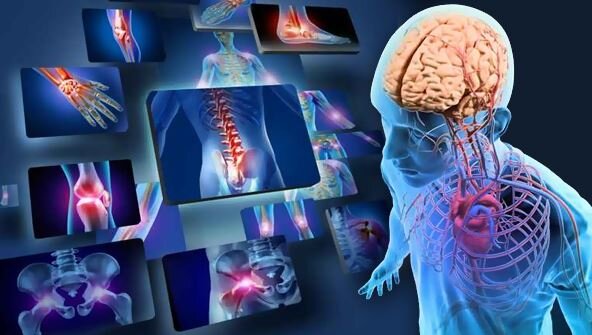
Scope: This subject is designed to impart fundamental knowledge of the structure and functions of the various systems of the human body. It also helps in understanding both homeostatic mechanisms. The subject provides the basic knowledge required to understand the various disciplines of pharmacy.
Objectives: Upon completion of this course the student should be able to:
1. Explain the gross morphology, structure and functions of various organs of the human body.
2. Describe the various homeostatic mechanisms and their imbalances.
3. Identify the various tissues and organs of different systems of the human body.
4. Perform the haematological tests like blood cell counts, haemoglobin estimation, bleeding/clotting time etc and also record blood pressure, heart rate, pulse and respiratory volume.
5. Appreciate coordinated working pattern of different organs of each system
6. Appreciate the interlinked mechanisms in the maintenance of normal functioning
(homeostasis) of the human body
- Teacher: Harini R R
Category: SCHOOL OF PHARMACY
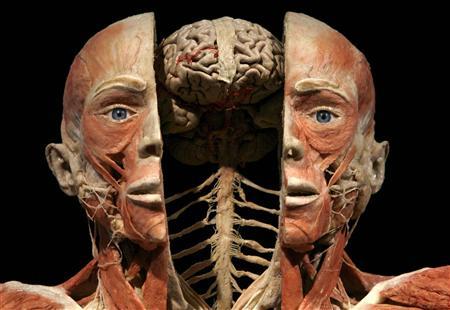
Anatomy is the Basic Science subject reveals the introduction to the basic structures, surfaces, and terminology of the Human body and their clinical significance concerned with the scientific study of the causes and effects of oral disease and understanding of which is essential for diagnosis and for the development of rational treatment and preventive plans in dentistry.
One of the most important purposes of Anatomy is to give the student the ability to correctly identify the structures given and their relations. Based on a sound knowledge of anatomy is essential for good clinical practice. The department imparts training in the Gross Anatomy of Head and Neck, Embryology, Histology, and neuroanatomy. The department provides cadaver demonstration and dissection for dental and medical professionals and also involved in research activities.
- Teacher: Tamil Selvi Palaniappan
Category: SCHOOL OF DENTAL SCIENCES
Human genetics is the study of inheritance as it occurs in human beings. Human genetics encompasses a variety of overlapping fields including: classical genetics, cytogenetics, molecular genetics, biochemical genetics, genomics, population genetics, developmental genetics, clinical genetics, and genetic counseling.

- Teacher: Madan Kumar Arumugam
Category: EVEN SEMESTER
On completion of the course, student will be able to -
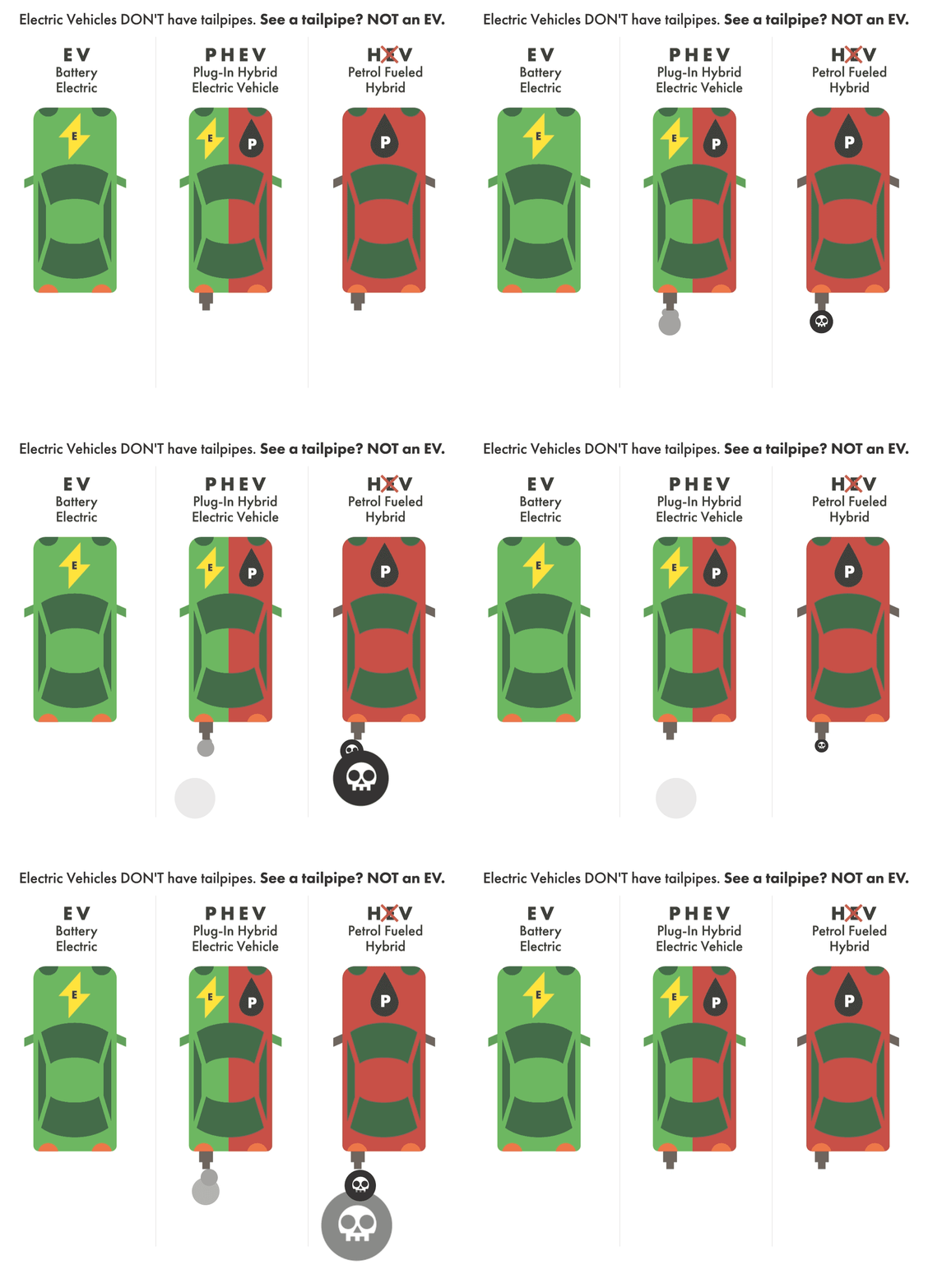
CO1 - Understand the working of different configuration of electric vehicles.
CO2 - Understand the hybrid vehicle configuration.
CO3 - Differentiate electric and hybrid vehicles.
CO4 - Understand the properties of batteries and its types.
CO5 - Understand the electric vehicle drive systems and hybrid electric vehicles.
CO6 - Design of solar cell and fuel cell.
- Teacher: Dr. Ashwin Jacob
Category: ODD SEMESTER
COURSE OBJECTIVE:
To introduce the students to the basic elements of poetry, including the stylistic and rhetorical devices employed in poetry, and to various genres of poetry.
LEARNER OUTCOMES:
On completion of the course, the students will be able to - • Analyze literature using appropriate terminology and common rhetorical figures.
• Inculcate a sense of appreciation of English Poetry in students.
• Refresh the existing knowledge of the students concerning social, political, historical, philosophical and cultural characteristics of the Victorian and Modernist period.
• Train students in various perspective readings in poetry like gender, race, caste, ethnicity, religion, region, environment and nation etc.
• Enable to correlate their own sensibilities with the literary expressions in the text.
• Exhibit a vast panorama of literary devices used to create poetic world.
- Teacher: Amutha Monica
Category: ODD
COURSE DESCRIPTION:
The course provides students with an overview of select women’s writing from the history.
Students are exposed to different genres from around the world. This course builds upon students' existing writing skills through textual analysis, dialogue based on reading assignments
Course Objectives: The objectives of the course is to enable the students to -
• Identify some authors, themes, and genres in women’s writing
• Consider cultural and global contexts in women’s writing
• Differentiate important implications of women’s literature in terms of the study of English literature, and the arts and humanities.
• Compare the developments, themes, and narrative strategies used by women writes expressing in English-language
LEARNING OUTCOMES:
After completing the course students will be able to
• Recall some of the developments, themes, and narrative strategies of English-language feminist fiction
• Analyze literary texts through the perspective of gender
• Identify the central points of a selection of feminist theory to use it as a context for reading literary texts
• Analyze and engage in theoretical and scholarly debates about feminist fiction
- Teacher: Amutha Monica
Category: ODD
• To promote learner autonomy and to support various learning styles and strategies
• To support the learners to increase their learning skills through computer technologies
• To improve professional development using the applications of Computers and softwares
At the end of the Course, students will be able
• To promote their knowledge in softwares and computer applications
• To explore technology enhanced learning
• To implement e literacy in their learning process

Category: ODD
to know the plant and animal cell culture techniques and its application
- Teacher: Bavani latha Muthiah
Category: ODD SEMESTER
HANDS-ON EXPERIEINCE OF IMMUNOLOGICAL TECHNIQUES
Category: EVEN SEMESTER
Category: EVEN
- To learn through an effective blend of theory and practice in translation
- To learn the key concepts of the translation studies and analyse through various texts.
- To implement the diverse approaches and strategies of translation through translation practices and make an oral presentation.
- To broaden and deepen understanding of a variety of issues in relation to translation, such as gender, power relations, and religion and to acquire important transferable skills
- Teacher: LIZY BOSCO
Category: EVEN SEMESTER
Course Objectives
• To focus on basics of Industrial Internet
• To modify the various existing industrial systems
• To get an idea about IIoT Architectures
• To acquire the knowledge about various Network Protocols
• To extract the backend Middleware Protocols
Course Outcomes
On completion of the course, the student should be able to
CO1 –Enhance the company’s performance using IoT
CO2 –Demonstrate the different styles of technical and business innovators
CO3 –Examine various IIoT Architectures related to data management system
CO4 –Organize the design of Industrial Internet Systems
CO5 –Select various Software design patterns using API
CO6 –Construct a Middleware software system related to proximity edge networks.

- Teacher: Indhu R
Category: SCHOOL OF ELECTRONICS
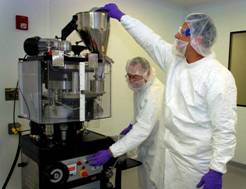
Industrial method of formulations are study about different dosage forms.
- Teacher: Maria Shirley J
- Teacher: Shanmugapandiyan P
Category: SCHOOL OF PHARMACY
This courseis designed to impart fundamental knowledge on pharmaceutical product development andtranslationfromlaboratorytomarket

- Teacher: Dr. Joan Vijetha R
Category: SCHOOL OF PHARMACY