
Search results: 406
COURSE OBJECTIVES
Ø To learn about the security issues in IoT and cloud computing.
Ø To learn about the cryptography solutions and issues in IoT.
Ø To learn about the security
measures taken in IoT
and Cloud systems
to
improve security.
UNIT 1 FUNDAMENTALS OF IoT ECOSYSTEM
IoT security issues, how to design an IoT system, Hardware, software and network security related to IoT systems. Basics of cryptographic solutions to IoT systems.
UNIT 2 OVERVIEW OF CLOUD COMPUTING AND ITS SERVICES
Cloud Computing Fundamental: Cloud computing definition, private, public and hybrid cloud.
Cloud types; IaaS, PaaS, SaaS.
UNIT 3 CHALLENGES IN CLOUD COMPUTING
Benefits and challenges of cloud computing, public vs. private clouds, Role of virtualization in enabling the cloud.
UNIT 4 SECURITY CONCEPTS IN CONTEXT TO IoT DEVICES
Security Concepts: Confidentiality, privacy, integrity, authentication, non-repudiation, Virtualization.
UNIT 5 IoT SECURITY THREATS AND COUNTER MEASURES
System-Specific Attacks: Guest hopping, attacks on the VM (delete the VM, attack on the control of the VM, code or file injection into the virtualized file structure), VM migration attack, hyper jacking.
TEXT / REFERENCE BOOKS
1. David Etter, “ IoT Security: Practical guide book “ Create Space, 1st Edition, 2016.
2. Drew Van Duren, Brian Russell, “Practical Internet of Things Security”, Packt, 1st Edition, 2016.
3. Sean Smith, “The Internet of Risky Things”, O'Reilly Media, 1st Edition, 2017.
4. Brian Russell, Drew Van Duren, “Practical Internet of Things Security: Design a security framework for an Internet connected ecosystem”, 2nd Edition, 2018.

- Teacher: JEGAN G
Category: SCHOOL OF ELECTRONICS
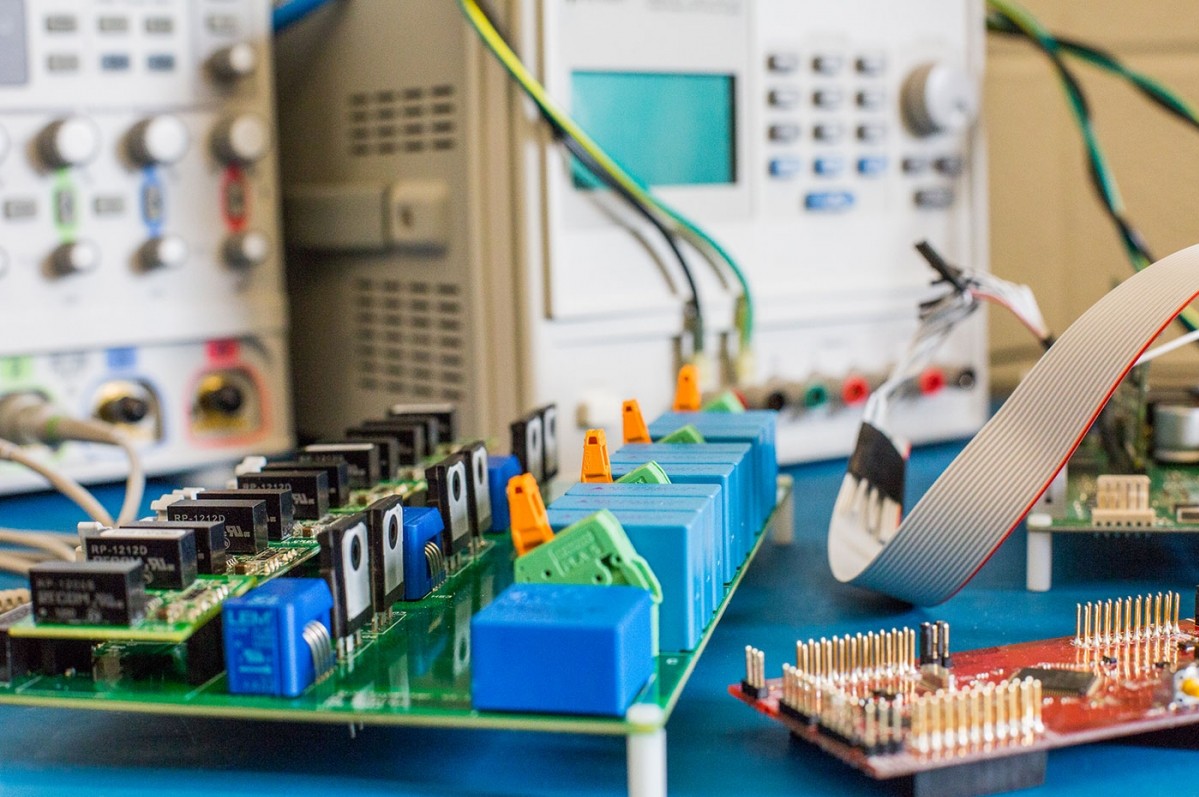
To understand the various applications of electronic devices for conversion and control of the electrical power.
- Teacher: Ramesh Babu A
Category: ODD SEMESTER
COURSE OBJECTIVES
ÿ To analyze the electromechanical system.
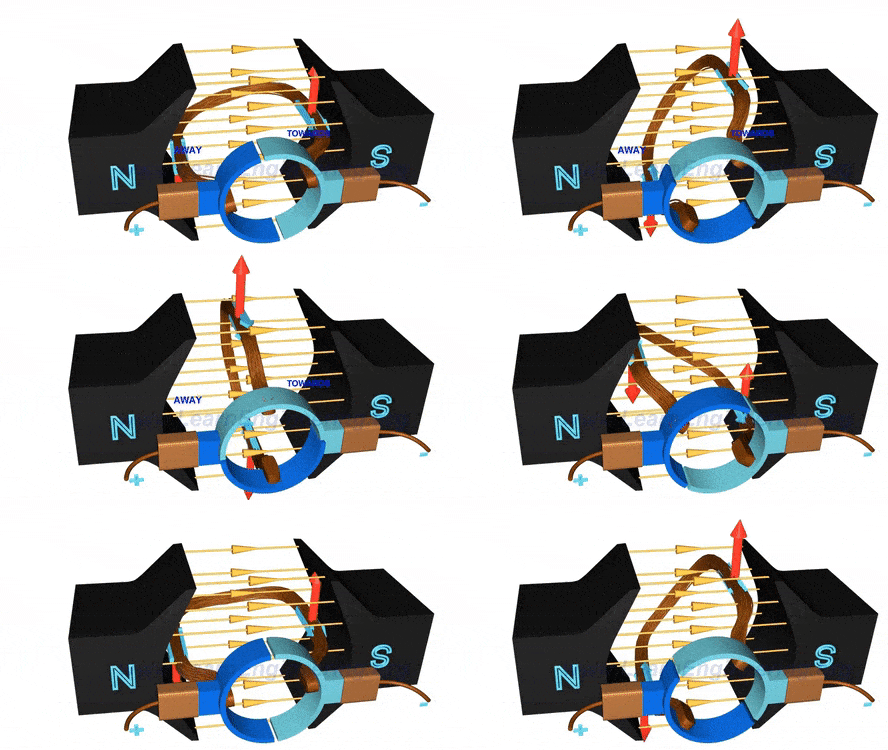
ÿ To impart knowledge in construction details, principle operation and performance characteristics of DC machines and transformer.
ÿ To evaluate the different losses and performance of DC machines and transformer using different testing methods.
ÿ To analyze the performance characteristics of DC machines.
ÿ To impart knowledge in three phase transformer connection.
COURSE OUTCOMES
On completion of the course, student will be able to
CO1 - Understand the concept of magnetic circuits.
CO2 - Explain the principle, types, effect of armature reaction and commutation of DC generator.
CO3 - Analyze the performance characteristics of DC motor using various testing methods.
CO4 - Understand the principle, equivalent circuit and performance of a single phase transformer.
CO5 - Compare the saving of copper of auto transformer with a two winding transformer.
CO6 - Analyze the various transformer connection for specific application.
Category: EVEN SEMESTER
COURSE OBJECTIVES
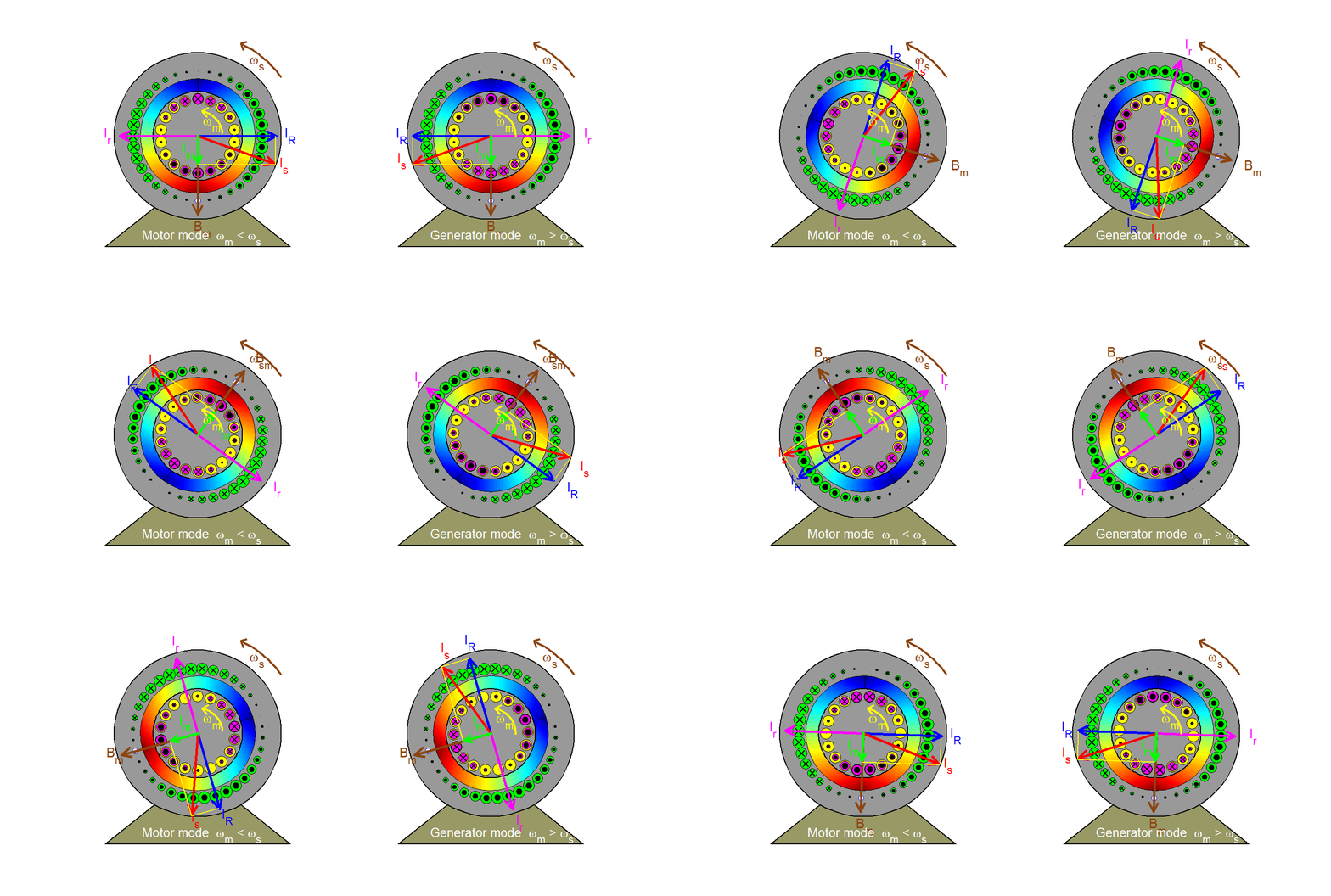
To impart knowledge on Construction and principle operation of Asynchronous and Synchronous machines.
To impart knowledge on not self-starting AC machines.
To convey knowledge on speed control of three-phase induction motors.
To analyze performance characteristics of Synchronous and Asynchronous machines.
To convey knowledge on synchronized operation of an Alternator with an Infinite bus bar.
UNIT
1 SYNCHRONOUSGENERATORS 10 Hrs.
Constructional features - EMF Equation - Armature Reaction - Synchronous Reactance - Voltage Regulation -Synchronous Impedance Method - MMF and Potier Methods - Synchronising & Parallel Operation - Two Reaction Theory - Determination of Xd and Xq (Slip test).
UNIT 2 SYNCHRONOUS MOTORS 9 Hrs.
Principle of Operation - Starting Methods - Effect of Increased Load with Constant Excitation - Effect of Changing Excitation on Constant Load - Different Torque - Power flow equation - Phasor diagram - V and inverted V curves - Hunting and suppression methods.
UNIT 3 THREE PHASE INDUCTION MOTORS 9 Hrs.
Construction - Types of 3- Phase Induction Motors - Rotating Magnetic Fields - Torque Equation – Condition for Maximum Torque - Slip, Torque Slip Characteristics - Power Stages in Induction Motors - Losses and Efficiency - Plugging - Cogging and Crawling - Concept of Induction Generator.
UNIT 4 CIRCLE DIAGRAM AND CONTROL METHODS OF 3- PHASE INDUCTION MOTOR 9 Hrs.
No load and Blocked rotor tests - Equivalent circuit - Construction of Circle diagram - Starting methods - Speed control - Double cage Induction motor.
UNIT 5 SINGLE PHASE AC MOTORS 8 Hrs.
Double Field Revolving Theory - Types of Single Phase Induction Motor - Equivalent Circuit (Qualitative) -Repulsion Motor - Series Motor - Universal motor, AC Servomotor, Linear Induction Motor, Hysteresis motor. Max. 45 Hrs.
Category: ODD SEMESTER
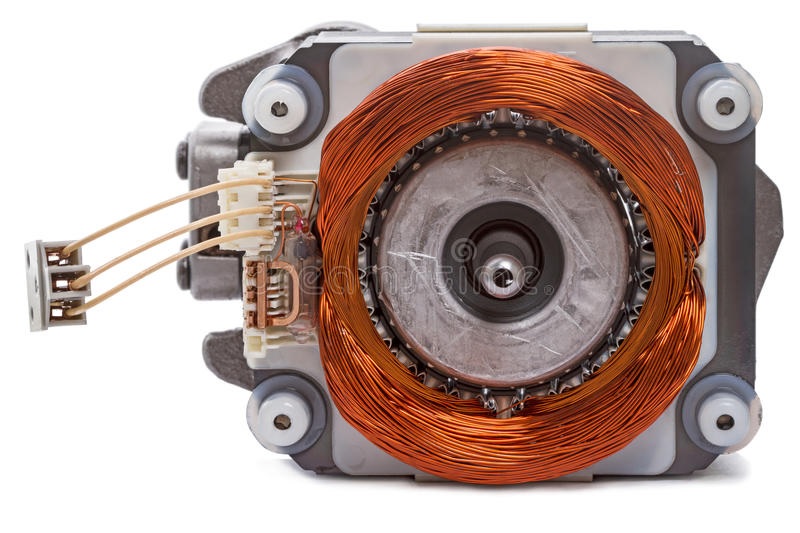
To study the concepts of stepper motors and its applications
To study the operating principle and characteristics of switched reluctance motors
To impart knowledge on the fundamental concepts and control of permanent magnet brushless DC motors
To introduce the concepts and control methods of permanent magnet brushless synchronous motors and
synchronous reluctance motors.
- Teacher: Ramesh Babu A
- Teacher: Barnabas Paul Glady J
- Teacher: Sivagami P
- Teacher: Senthil Nayagam V
Category: Semester 8
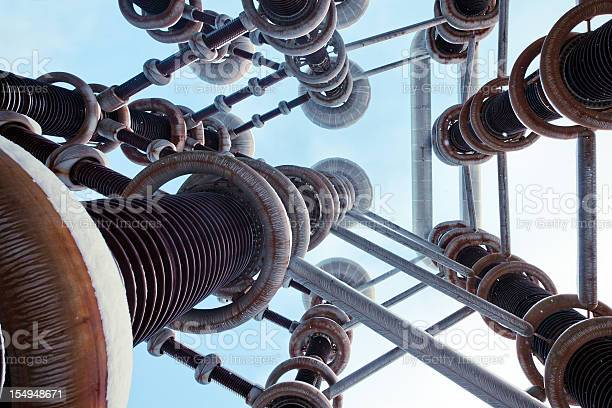
To impart knowledge on the concepts of over voltages.
To analyze the dielectric breakdown mechanisms.
To measure and test High voltages and currents.
- Teacher: Meenakshi V
Category: EVEN SEMESTER
COURSE OUTCOMES
On completion of the course, student will be able to
CO1 - Understand the fundamental electrical concepts.CO2 - Analyze simple DC circuits using appropriate techniques.
CO3 - Apply phasor analysis techniques to solve AC circuits.
CO4 - Demonstrate the characteristics of various semi-conductor devices.
CO5 - Analyze characteristics of switched mode power supply.
CO6 - Design power supply unit using regulator IC.

- Teacher: Godwin Immanuel D
Category: ODD SEMESTER
COURSE OBJECTIVES
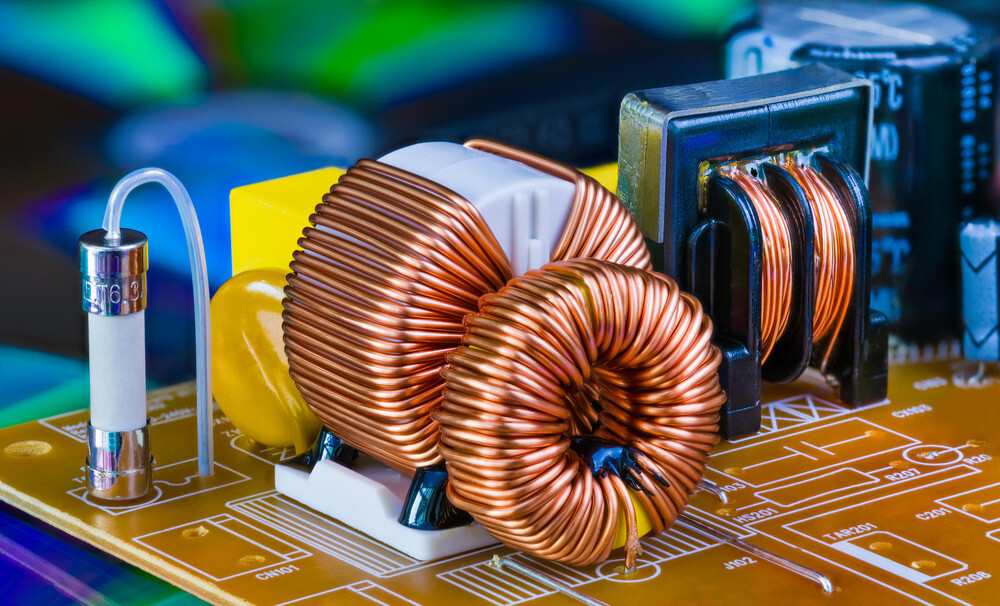
To analyze the electromechanical system.
To impart knowledge in construction details, principle operation and performance characteristics of DC machines and transformer.
To evaluate the different losses and performance of DC machines and transformer using different testing methods.
To analyze the performance characteristics of DC machines.
To impart knowledge in three phase transformer connection.
COURSE OUTCOMES
On completion of the course, student will be able to
CO1 - Understand the concept of magnetic circuits.
CO2 - Explain the principle, types, effect of armature reaction and commutation of DC generator.
CO3 - Analyze the performance characteristics of DC motor using various testing methods.
CO4 - Understand the principle, equivalent circuit and performance of a single phase transformer.
CO5 - Compare the saving of copper of auto transformer with a two winding transformer.
CO6 - Analyze the various transformer connection for specific application.
- Teacher: Jaya Prakash S
- Teacher: Sundar Singh Jebaseelan S D
Category: Semester 2
COURSE OUTCOMES
On completion of the course, student will be able to
CO1 - Understand the fundamental electrical concepts.CO2 - Analyze simple DC circuits using appropriate techniques.
CO3 - Apply phasor analysis techniques to solve AC circuits.
CO4 - Demonstrate the characteristics of various semi-conductor devices.
CO5 - Analyze characteristics of switched mode power supply.
CO6 - Design power supply unit using regulator IC.

- Teacher: Meenakshi V
Category: SCHOOL OF ELECTRONICS
COURSE OBJECTIVES
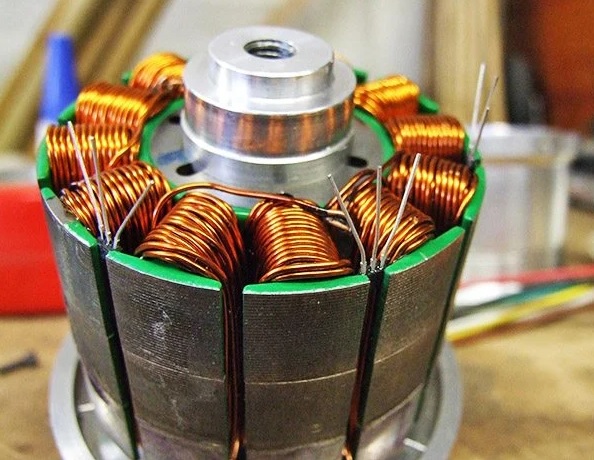
To impart knowledge on Construction and principle operation of Asynchronous and Synchronous machines.
To impart knowledge on not self-starting AC machines.
To convey knowledge on speed control of three-phase induction motors.
To analyze performance characteristics of Synchronous and Asynchronous machines.
To convey knowledge on synchronized operation of an Alternator with an Infinite bus bar.
COURSE OUTCOMES
On completion of the course, student will be able to
CO1 - Understand the principle and predetermine the regulation of a Synchronous Generator.
CO2 - Analyze the operation of synchronous motor under various excitation conditions.
CO3 - Explain the principle, characteristics and losses of three phase induction motor.
CO4 - Realize the various methods of starting and testing of three phase induction motor.
CO5 - Explain the principle, types and equivalent circuit of single phase induction motor.
CO6 - Appreciate and select a suitable AC motor for particular application.
- Teacher: Ramesh Babu A
- Teacher: Sivagami P
Category: EVEN SEMESTER
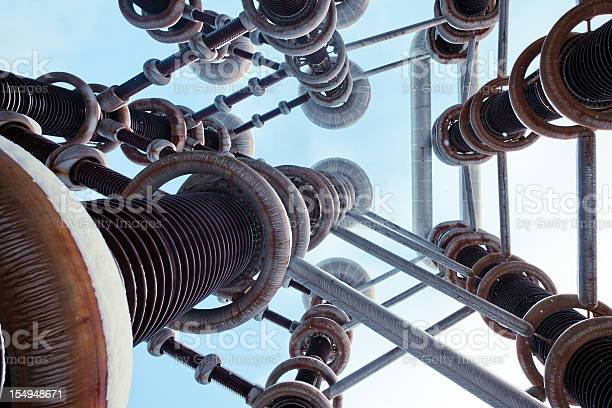
To impart knowledge on the concepts of over voltages.
To analyze the dielectric breakdown mechanisms.
To measure and test High voltages and currents.
- Teacher: Meenakshi V
Category: Semester 6
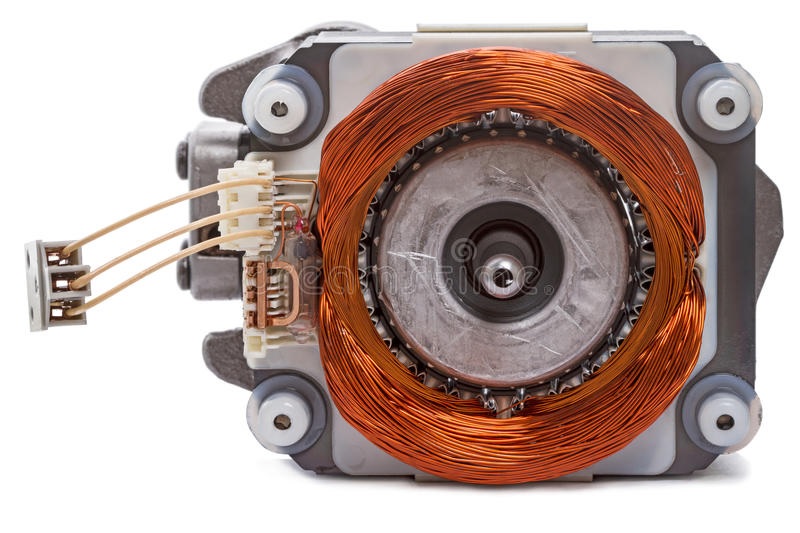
To study the concepts of stepper motors and its applications
To study the operating principle and characteristics of switched reluctance motors
To impart knowledge on the fundamental concepts and control of permanent magnet brushless DC motors
To introduce the concepts and control methods of permanent magnet brushless synchronous motors and
synchronous reluctance motors.
- Teacher: Sivagami P
Category: Semester 5

On completion of the course, student will be able to
CO1 - Understand the electronics in automobiles.
CO2 - Explain the electronics in Ignition systems, Injection systems, Engine, Chassis and Safety systems.
CO3 - Understand the working of sensors, actuators in automobiles.
CO4 - Apply the knowledge of electronics in automobiles.
CO5 - Develop electronics in automobiles.
CO6 - Design a electronic system in automobiles.
- Teacher: Dr. Karthikeyan A
Category: SCHOOL OF MECHANICAL
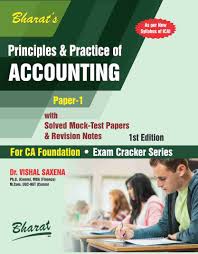
Principles and Practice of Accounting - Chapters studied in plus 2 only. Questions may be little Professional Course Level.
- Teacher: Murthy CMA
Category: ODD
FASHION PSYCHOLOGY AND GROOMING
COURSE OBJECTIVES:
- To enable students to understand the trends in Clothing behavior
- Gain an insight into the planning process involved in Wardrobe Clothing selection.
UNIT I
Fashion flow chart - Fashion terminology - Cycle influences - Elements of fashion design - History of fashion. Introduction to Clothing, Understanding, and Purpose of clothing - Protection, Modesty, attraction. Social & Psychological aspects of fashion.
UNIT II
Clothing Values, Clothing Culture, Men and Women clothing and Ornamentation, Groups, Role & status of clothing. Clothing according to climatic conditions.
UNIT III
Selection of clothes, - Clothes for children, middle age, adults, types of clothes, according to human figure - Different material for different clothes - Color suitable for different garments.
UNIT IV
Modern Clothing-Youth style and fashion, Teddy boy, skins modes, hippies, punks, taste of youth and their life style. Ancient to modern clothing, minis maxis, unisex, fit women, glamorous woman. Casual and formal clothing. Fashion for all, ready to wear fashion, mass marketing of fashion.
UNIT V
Planning for clothing needs, Clothes for school, Clothes for parties, Clothes for sports, Clothes for resting Wardrobe Planning
COURSE OUTCOMES
On successful completion of the course, the students will able to
CO1: Understand terms involved in Fashion and Clothing .
CO2: Understand the selection of clothes for various age Groups .
CO3: Gain knowledge on Wardrobe Planning.
CO4: Planning for various clothing needs for different climatic conditions.
CO5: Know the Modern Clothing
TEXT/ REFERENCE BOOKS:
- ‘ A History of Fashion’ , Black A.J. (1985) , USA Orbits Publishing Ltd. Rouse E. (1989),
- ‘Understanding Fashion’,UK, Blackwell Science
- ‘The Dictionary of Costume’,Wilcox T. UK,- Bats ford Ltd.
- Fashion & color Mary Garthe, Rockport Publishers - Encyclopedia of fashion detail by Patric John, Ireland Batsford

- Teacher: SARANYA N
Category: ODD
- Teacher: Krithika S
Category: Semester 6
Researching the subject - Organizing matter - Structuring the report/presentation, Making Visual presentations
Presenting a Paper - Making a fully researched informative presentation - Official Correspondence- Letters- Memos- Emails - Notices- Public Announcements- Circulars.
Official Documentation - Agenda/Minutes of Meeting - Files and other Documents. Informative Communication – presentation skills - News Reports- Report Writing- Persuasive Communication - How to write Applications- letters- Articles persuasively- Meetings- Group Discussions- Interviews
The art of Negotiation and Persuasion- Writing a good CV/Resume- profile- Reviews (Film/Restaurant)- Articles- Creating Characters- Writing Stories- Exploring other forms- Writing for Print/Television/Films/Web- Role Play- Writing and Performing a Skit- Writing and Performing an Ad/Social Service Spot.
Final Presentation - complete presentation - with Performance.
COURSE OUTCOMES
On successful completion of the course, the students will be able to
CO 1: improve the skills in research techniques.
CO 2: Develop skills in Visual Presentations
CO 3. Develop the various Skills through Documentation and Negotiation.
CO 4: Understand the basics of communication and presentation

- Teacher: SARANYA N
Category: Semester 4
COURSE OBJECTIVES
- The design portfolio is the expression of the graduating student’s creativity design technical expertise and illustration and presentation skills. It is a body of work that is the culmination of all previous semesters’ learning and a visual expression of integrative learning.
- The students document all their presentable work done through all semesters and those that portray the student’s areas of interest.
- The portfolio can be an effective means of communicating the capacities and capabilities of the students to anyone who seeks their skills and talents
COMPONENTS OF PORTFOLIO:
1. Individual design philosophy that manifests itself in all design projects
2. Design Projects: Industry–oriented: The projects should exhibit a thorough understanding of industry segmentation e.g. buying a house- export house- corporate house- in the house design team of brands/boutiques- designer unit both couture and RTW- Self – generated briefs as an expression of the student’s individual design aesthetics. Each project must be specifically geared and suitably edited and presented to best demonstrate both the creative and commercial orientation of the student.
The ability to integrate multi-pronged learning of the previous semesters with special aptitude research- historical referencing of fashion/ costume- assessment of fabric suitability to justify sourcing/development of surface design techniques- extended/edited range plan- illustrations both hand – done and on computers along with flat working drawings and specification sheets would be essential attributes.
3. Demonstrated awareness and competence in the latest design-oriented computer software as required intensively by the industry
4. Suitable presentation techniques and graphics
5. Marketing and Visual Merchandising of designs through logo design- packaging etc.
6. Catalogues and advertisements for line promotion may also be made

- Teacher: SARANYA N
- Teacher: Priyadarshini R
Category: Semester 6
This course comprises novels of different types with a brief introduction to the techniques of fiction as a genre. The students would be able to distinct and analyse the literary characteristics of the novel. The students will be made aware of the social background, structure and theme of the prescribed novels and would be able to effectively communicate ideas related to the novel during class and group activities . They would be able to read, summarize, and evaluate critically the works suggested for the course. 📖 ☕

Category: ODD