
Search results: 1466
- Teacher: NAZINI N
Category: School of Science and Humanities
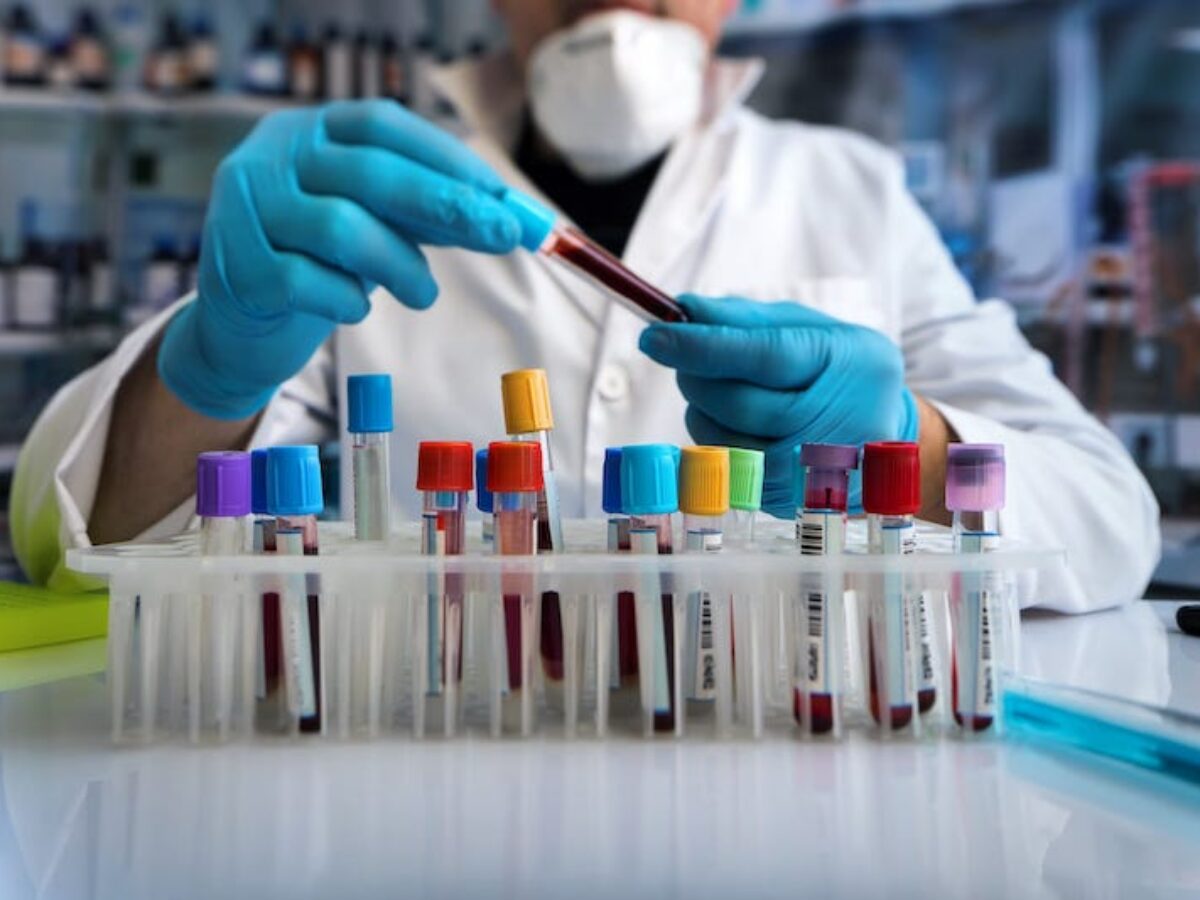
In Medical Laboratory Techniques course helps students to gain intensive knowledge from basic medical sciences.
- Teacher: RoselinJenifer D
Category: SCHOOL OF BIO AND CHEMICAL
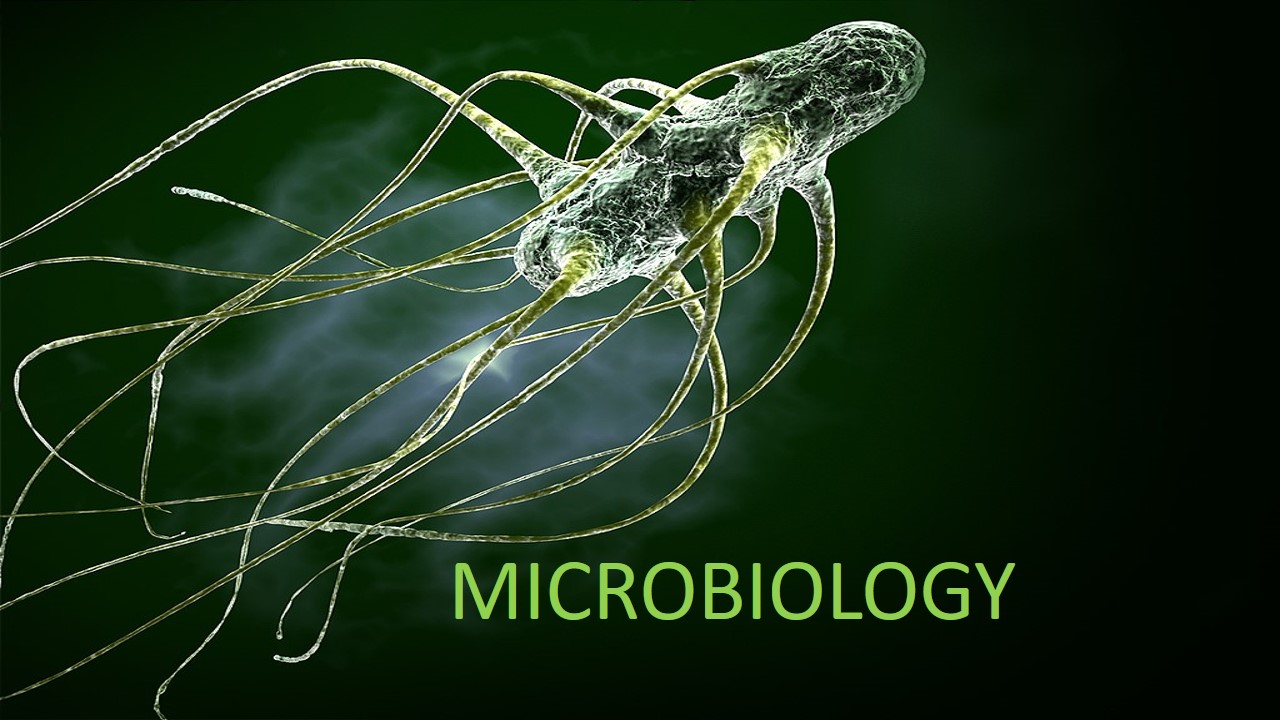
Enable students to acquire knowledge about microbes, sterilization and aseptic procedures, handling patient with infectious diseases, prevent the spread of infection, collection and transport of specimens to the laboratory, principles and applications of microbiology.
- Teacher: MALATHY BALARAMAN RAVINDRRAN
- Teacher: Dr.PRATHIBA GNANASEKARAN
Category: SCHOOL OF NURSING
COURSE OBJECTIVES
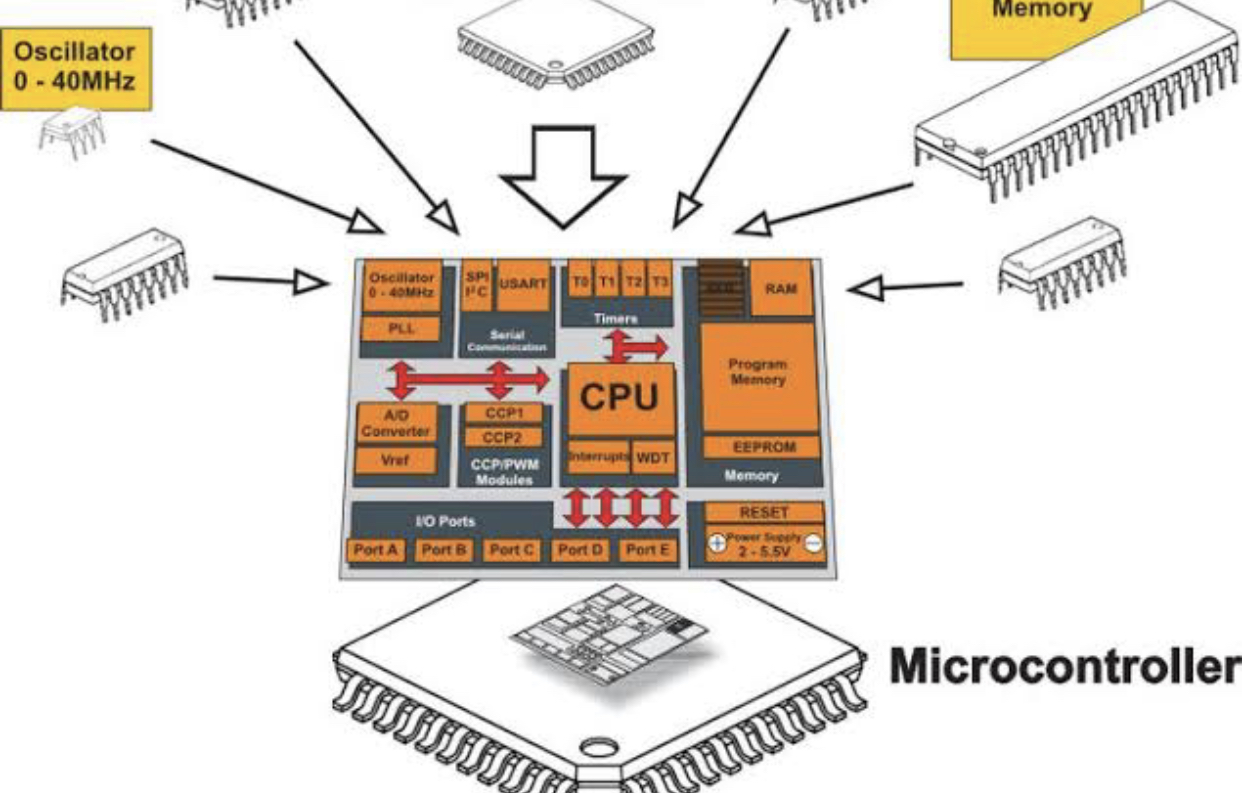
➢ To give a basic introduction to microcontroller 8085 and 8051.
➢ To provide students knowledge about trivial programs using 8085 and 8051.
➢ To expertise in interfacing of various devices and equipment with 8051.
COURSE OUTCOMES
On completion of the course, student will be able to
CO1 - Understand 8085 and 8051 chip architecture in real time.
CO2 - Explain the Algorithm for programs in 8085 and 8051.
CO3 - Demonstrate the output of programs in 8085 and 8051.
CO4 - Analyse the performance 8051 in various aspects.
CO5 - Determine the performance of memory chips with 8051.
CO6 - Evaluate the performance of 8051 using various interfaces.
- Teacher: Ramesh Babu A
- Teacher: Ravi Kumar D N S
- Teacher: Dr. ANNA DEVI E
- Teacher: Dr Jayasudha F V
- Teacher: Barnabas Paul Glady J
- Teacher: SRILATHA K
- Teacher: SUGADEV M
- Teacher: Sivagami P
- Teacher: Pandian R
- Teacher: Barani S
- Teacher: Jaya Prakash S
- Teacher: karthikeyan S
- Teacher: LAKSHMI S
- Teacher: Nirmal Raj S
- Teacher: POORNAPUSHPAKALA S
- Teacher: Mary Sajin Sanju
- Teacher: Thaj Mary Delsy T
- Teacher: VINO T
- Teacher: Senthil Nayagam V
- Teacher: Vedanarayanan V
- Teacher: Vijaya Baskar V
Category: EVEN SEMESTER
- Analyze microwave frequencies and microwave components.
- Analysis of microwave systems and assess the impact of microwave component performances on overall system performance.
- Describe the operation and analyze the performance of basic microwave sources and solid state semiconductor devices.
- Analyze, Assess qualitatively and quantitatively the role of optical fiber communication and signal degradation.
- To familiarize on the principle of operation of optical sources, fiber coupling and optical networks
- Teacher: Dr.I.Rexiline Sheeba
Category: EVEN SEMESTER
MOBILE AND WIRELESS SECURITY
COURSE OBJECTIVES
➢ To understand the Wireless technology and the threats.
➢ To learn wireless security protocols and cryptography.
➢ To apply the security for wireless devices.
➢ To explore the wireless technologies and applications.
➢ To learn to implement the wireless LANS.
- Teacher: Rajeswari G
Category: SCHOOL OF COMPUTING
COURSE OBJECTIVES
- To impart the fundamentals concepts of mobile communication systems.
- To introduce various technologies and protocols involved in mobile communication.
- Examine Theory Research in Mobility
- Examine Systems Research in Mobility
UNIT 1 WIRELESS COMMUNICATION
Basic cellular systems - Frequency Management and Channel Assignment - Types of handoff and their
characteristics, dropped call rates & their evaluation - MAC - SDMA - FDMA - TDMA - CDMA - Cellular Wireless Networks.
UNIT 2 WIRELESS NETWORKS
Wireless LAN - IEEE 802.11 Standards - Architecture - OFDM Technology - Services - Mobile Ad hoc
Networks- IEEE 802.16 standards, Comparison of 802.11 and 802.16 - Wireless Local Loop - Architecture - WLL Technologies.
UNIT 3 MOBILE COMMUNICATION SYSTEMS
GSM – Architecture - Location tracking and call setup - GSM Mobility management – Handover – Security -GSM SMS - International roaming for GSM - Call recording functions - subscriber and service data management -Mobile Number portability.GPRS – Architecture - GPRS procedures - Attach and detach procedures - PDP context procedure - Combined RA/LA update procedures - Billing.
UNIT 4 MOBILE NETWORK AND TRANSPORT LAYERS
Mobile IP - Dynamic Host Configuration Protocol - Mobile Ad Hoc Routing Protocols - Multicast routing - TCP over Wireless Networks - Indirect TCP - Snooping TCP - Mobile TCP - Fast Retransmit / Fast Recovery – Transmission / Timeout Freezing-Selective Retransmission - Transaction Oriented TCP - TCP over 2.5 / 3G wireless Networks
UNIT 5 APPLICATION LAYER
WAP Model - Mobile Location based services - WAP Gateway - WAP protocols - WAP user agent profile-caching model - Wireless bearers for WAP - WML - WMLScripts - WTA – iMode - SyncML.
TEXT / REFERENCE BOOKS
1. Jochen Schiller, “Mobile Communications”, Second Edition, Pearson Education, 2003.
2. William Stallings, “Wireless Communications and Networks”, Pearson Education, 2002.
3. Yi-Bing Lin, Imrich Chlamtac, “Wireless and Mobile Network Architectures”, John Wiley and sons, 2001

- Teacher: Dr Jayasudha F V
Category: ODD SEMESTER
- Teacher: Dr. Saqib Hassan
Category: ODD SEMESTER
- Teacher: INDUMATHI S M
Category: ODD SEMESTER
- Teacher: Premkumar J
- Teacher: James John
- Teacher: Dr. Gayathri P
- Teacher: D. JASMINE PRIYA
Category: ODD SEMESTER
- Teacher: Dr. Joan Vijetha R
Category: SCHOOL OF PHARMACY
- Teacher: Dr. Joan Vijetha R
Category: SCHOOL OF PHARMACY
- Teacher: PRIYADARSHINI M
Category: SCHOOL OF NURSING
- Teacher: oviya R.P
Category: ODD SEMESTER
Nanobiotechnology lab -explanation with nanosize particles synthesis and chracaterization and invitro studies.
- Teacher: Bavani latha Muthiah
Category: SCHOOL OF BIO AND CHEMICAL
COURSE OBJECTIVES
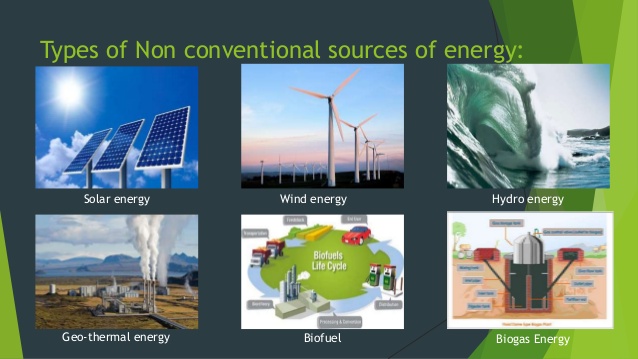
To give essential knowledge of construction and working of various types of Non-Conventional Energy Systems.
To detail the role of Mechanical Engineers in their operation and maintenance.
COURSE OUTCOMES
On completion of the course, student will be able to
CO1 - Understand the basic concepts of Non-Conventional Power Generation & its importance. CO2 - Apply the basic thermodynamic principles to different renewable energy systems.
CO3 - Analyze and understand solar energy systems, working and its significance.
CO4 - Analyze thermodynamic cycles of Wind, bio & other renewable energy sources.
CO5 - Understand the importance ad necessity of renewable energy sources.
CO6 - Recognize renewable energy production, Distribution & cost estimation.
- Teacher: SENTHILKUMAR G
Category: EVEN SEMESTER