Search results: 1467
- Teacher: Dhanushyadevi S
Category: 2024 - 20025 - Even Semester
- Teacher: Monisha S
Category: ODD SEMESTER
- Teacher: Anjana Lakshmi .
Category: ODD SEMESTER
- Teacher: Dhanushyadevi S
Category: ODD SEMESTER
- Teacher: Monisha S
Category: SCHOOL OF LAW
- Teacher: Sudhakar T
Category: Year 3
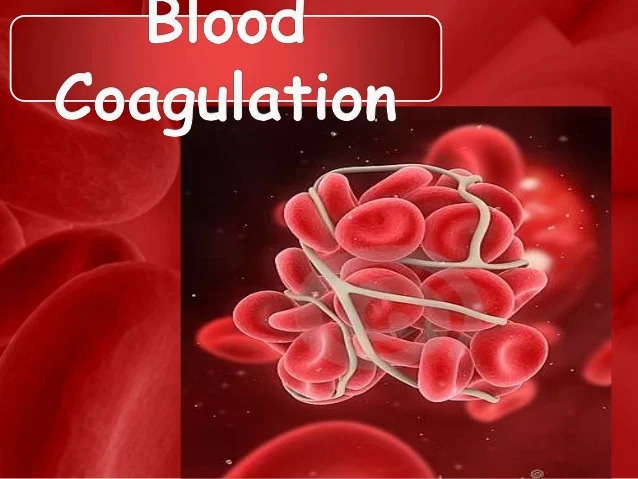
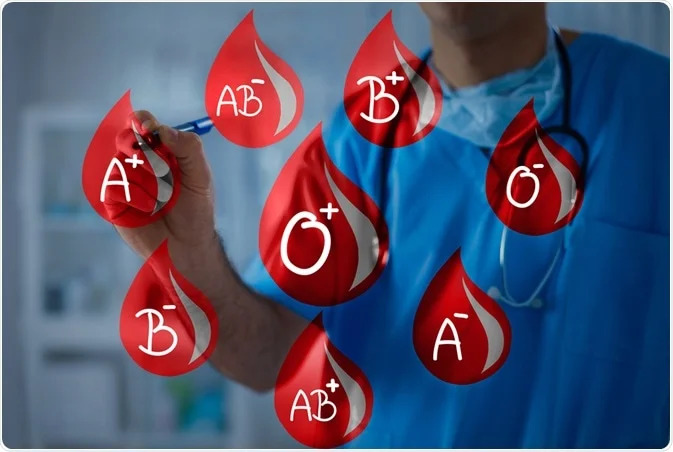
COURSE OBJECTIVES
To identify the practices
essential for blood transfusion
To implement the procedures in maintaining blood bank
- Teacher: D. JASMINE PRIYA
Category: Allied Health Sciences
Course Objectives:
· To learn the basic histological and cytological procedures
· To understand the diagnostic applications of histological and cytological methods
List of Experiments
1. Hematoxylin and Eosin staining
2. PAP staining
3. Embedding
4. Microtome: Uses, care, and parts
5. PAS stain
6. Pearls stain
7. Reticulin stain
8. Giemsa stain
Course Outcomes
Upon completion of the course, students will be able to
CO1 Demonstrate proficiency and expertise in the proper use of the light microscope in examining histological specimens on glass slides
CO2 Understand the basic concepts of tissue fixation, dehydration, embedding, sectioning, staining, and mounting of slides for histological examination, immunofluorescent staining, and electron microscopy
CO3 Differentiate the characteristics of tissues of the body (epithelium, connective, muscle, nerve) and their relationships in the various organ systems of the human body
CO4 Identify the histological features of selected tissues/organ systems resulting from disease processes
CO5 Examine how certain diseases can be diagnosed using histological and cytological methods
CO6 Demonstrate common histology procedures such as embedding tissue in paraffin, tissue sectioning, and mounting, or routine staining of tissue sections
- Teacher: James John
Category: Year 3
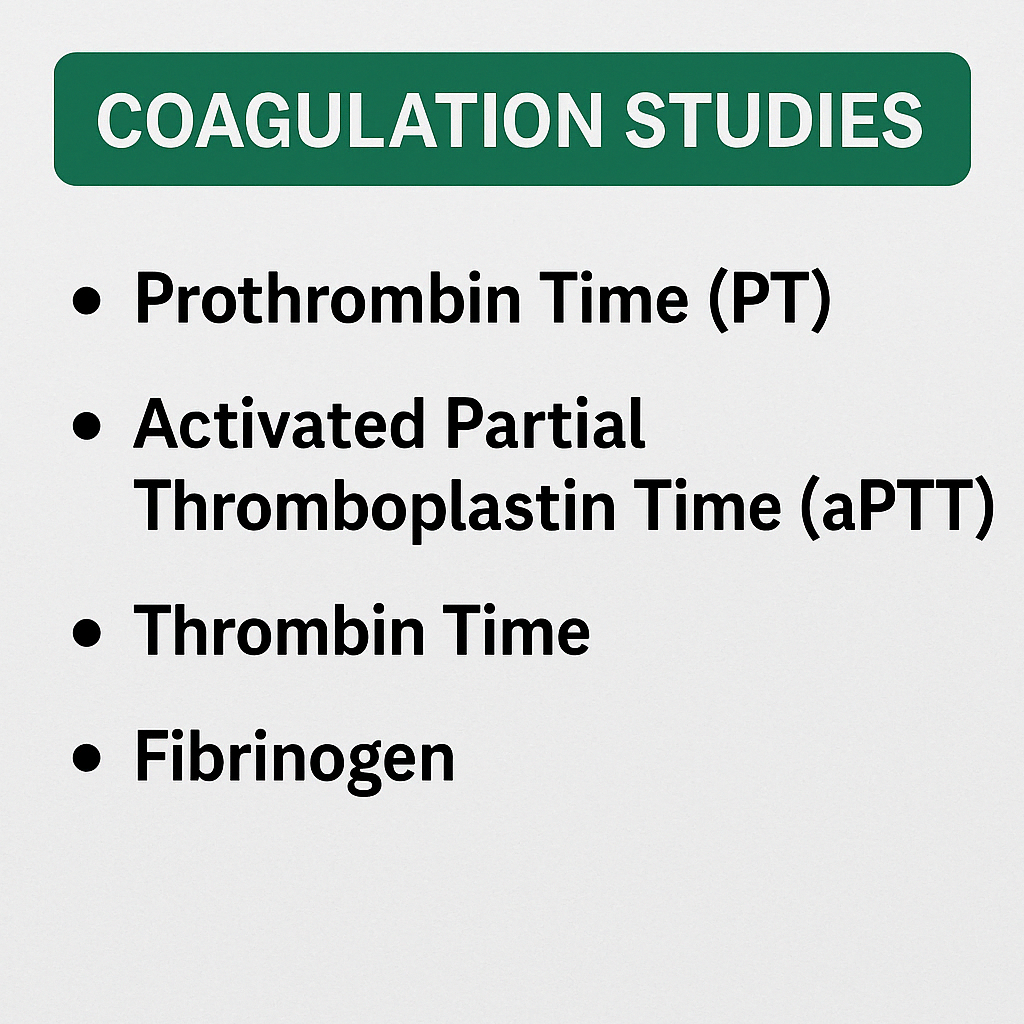
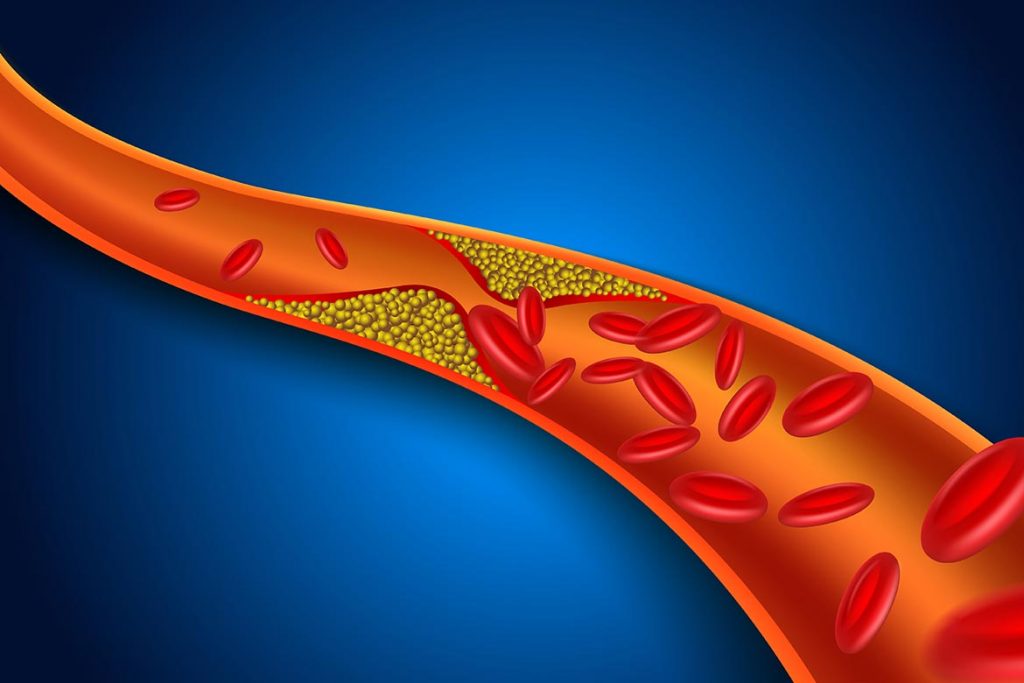
COURSE OBJECTIVES :
To learn the basic procedures
in coagulation studies
To apply techniques in the storage and handling of blood specimens
- Teacher: D. JASMINE PRIYA
Category: Year 3
SATHAYBAMA INSTITUTE OF SCIENCE AND TECHNOLOGY SCHOOL OF ALLIED HEALTH SCIENCES
DEPARTMENT OF MEDICAL LABORATORY TECHNOLOGY REGULATIONS 2023
SAMB2501
ANALYTICAL TECHNIQUES &
BIOINSTRUMENTATION-LAB
L T P Credits Total Marks
0 0 4 2 100
COURSE OBJECTIVES
Acquire practical knowledge about laboratory instrumentations.
Acquire knowledge about applications of centrifugation and electrophoretic methods in
laboratory.
Demonstrate the use of spectroscopic techniques.
Attain knowledge to use chromatographic techniques in research.
Apply molecular techniques in analysis & research.
LIST OF EXPERIMENTS
1. Centrifugation techniques Lab-Separation of blood WBC using fycoll reagent.
2. Chromatographic techniques Lab Demonstration of Paper chromatography.
3. Electrophoretic techniques- Demonstration of Agarose gel electrophoresis.
4. Electrophoretic techniques-Immunoelectrophoretic in agarose gel to see Ag-Ab reactions.
5. Molecular techniques- Demonstration of DNA extraction and quality check.
COURSE OUTCOMES
On completion of the course, students will be able to know
CO1 - Understand the basic instrumentation and their use in laboratory.
CO2 - Identify instruments and their uses.
CO3 - Recognize the types of separation techniques and their uses in lab diagnosis.
CO4 - Apply the practical knowledge and understanding to usage of instruments.
CO5 - Bridge the gap between clinical and theory during practice of instruments
CO6 - To acquire knowledge about various laboratory techniques
- Teacher: James John
Category: Year 3
COURSE OBJECTIVES
Aimstoprovideabasicunderstandingofthecoreprinciplesandtopics ofBiochemistry
andtheirexperimentalbasis.
To enable to perform routine as well as special investigative procedures in different specialties
of Medical LaboratoryTechnology.
UNIT 1 Chemistry, metabolism & Clinical pathology of Carbohydrate 12 Hrs.
Chemistry of carbohydrates & their related metabolism - Introduction, definition, classification,
biomedical importance Brief outline of metabolism: Glycogenesis & glycogenolysis (in brief), Glycolysis,
citric acid cycle & its significance, HMP shunt & Gluconeogenesis, Diabetes mellitus, gestation diabetes
mellitus, Hyperglycemia & hypoglycemia and its causes.
UNIT 2 Chemistry of Amino acids and Protein- Protein Metabolism and its clinical pathology 12
Hrs.
Amino acids -Definition, classification, essential &non-essential amino acids. Chemistry of Proteins -
Introduction, definition, classification, structure, and its biomedical importance, Transformation,
Decarboxylation, Ammonia formation & transport, Urea cycle, metabolic disorders in urea cycle,
catabolism of amino acids especially Phenylalanine, Tyrosine & Tryptophan, Creatinine, Proteinuria.
UNIT 3 Chemistry of Lipids, Lipids metabolism & clinical Pathology 12 Hrs.
Introduction,definition, classification, biomedical importance, essential fatty acids. Non-essential fatty
acids, Brief out line of metabolism: Beta oxidation of fatty acids, fatty liver, Ketosis, Cholesterol & it's
clinical significance, Lipoproteins in the blood composition & their functions in brief, Atherosclerosis
UNIT 4 Enzymes and its clinical significance 12 Hrs.
Introduction, definition, classification, coenzymes, isoenzymes, properties, factors affecting enzyme
action, enzyme inhibition, diagnostic value of serum enzymes - Creatinine kinase, Alkaline
phosphatase, Acid phosphatase, LDH, SGOT, SGPT, Amylase, Lipase, Carbonic anhydrase etc
UNIT 5 Acid base balance concepts & disorders 12 Hrs.
Water metabolism, Distribution of fluids in the body, ECF, ICF, dehydration. - pH, Buffers, Acidosis,
Alkalosis
Max. 60 Hrs.
COURSE OUTCOMES
On completion of the course, students will be able to know
CO1 - Attain knowledge about the basics of biochemistry and the its importance.
CO2 - Attain knowledge on carbohydrates, proteins, fats and their functions in the body.
CO3 - Attain knowledge on the basic principles of metabolism and its regulation
CO4 - Understand the role of enzymes and its importance in diagnosis of various diseases.
CO5 - Understand the role of pH, buffer system and water balance in the body.
CO6 - Understand and access various
biochemical parameters and its relation to disease and dysfunction of organs.
- Teacher: James John
Category: Allied Health Sciences
- Teacher: Dr. Gayathri P
Category: Allied Health Sciences
- Teacher: Dr. Gayathri P
Category: Allied Health Sciences
Course Objectives:
• To be able to fix, process, embed tissues and make sections for micro section studies
• To be competent to make routine cytological preparation
Course Outcomes:
On completion of the course, student will be able to
CO1 Identify the basic structure of cells, tissues and organs and describe their contribution to normal function.
CO2 Interpret light- and electron-microscopic histologic images and identify the tissue source and structures.
CO3 Demonstrate common histology procedures such as embedding tissue in paraffin, tissue sectioning and
mounting, or routine staining of tissue sections
CO4 Describe common histology laboratory procedures used to prepare stained slides from tissue samples.
CO5 Outline the principles of histochemistry, and types of microscopies utilized in histology
CO6 Understand professional procedures in museum display, collections, care and preservation
1. Bancroft's Theory and Practice of Histological Techniques by John D Bancraft /Edition 8 (2018)
2. Handbook of Histopathological and Histochemical Techniques: Including Museum Techniques / edition 3 (1974) by C. F. A. Culling
3. Hand book of Medical laboratory technology, 2nd edition by Robert H Carman, Christian Medical Association of India
(publishers)
4. Textbook of Medical Laboratory Technology/ edition 3 (2020) b
- Teacher: Premkumar J
Category: Year 3
- Teacher: James John
- Teacher: D. JASMINE PRIYA
Category: Year 1