
Search results: 406
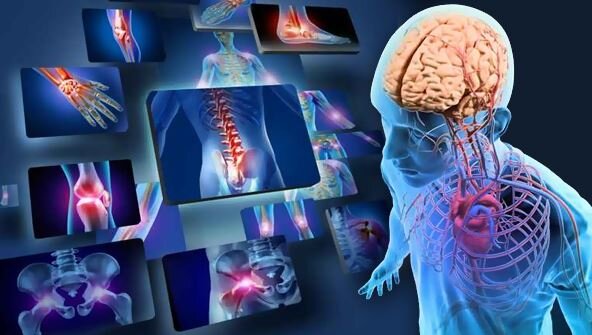
Scope: This subject is designed to impart fundamental knowledge of the structure and functions of the various systems of the human body. It also helps in understanding both homeostatic mechanisms. The subject provides the basic knowledge required to understand the various disciplines of pharmacy.
Objectives: Upon completion of this course the student should be able to:
1. Explain the gross morphology, structure and functions of various organs of the human body.
2. Describe the various homeostatic mechanisms and their imbalances.
3. Identify the various tissues and organs of different systems of the human body.
4. Perform the haematological tests like blood cell counts, haemoglobin estimation, bleeding/clotting time etc and also record blood pressure, heart rate, pulse and respiratory volume.
5. Appreciate coordinated working pattern of different organs of each system
6. Appreciate the interlinked mechanisms in the maintenance of normal functioning
(homeostasis) of the human body
- Teacher: Harini R R
Category: SCHOOL OF PHARMACY
COURSE OBJECTIVE:
To introduce the students to the basic elements of poetry, including the stylistic and rhetorical devices employed in poetry, and to various genres of poetry.
LEARNER OUTCOMES:
On completion of the course, the students will be able to - • Analyze literature using appropriate terminology and common rhetorical figures.
• Inculcate a sense of appreciation of English Poetry in students.
• Refresh the existing knowledge of the students concerning social, political, historical, philosophical and cultural characteristics of the Victorian and Modernist period.
• Train students in various perspective readings in poetry like gender, race, caste, ethnicity, religion, region, environment and nation etc.
• Enable to correlate their own sensibilities with the literary expressions in the text.
• Exhibit a vast panorama of literary devices used to create poetic world.

- Teacher: Amutha Monica
Category: ODD
OBJECTIVE:
To introduce the students to the socio-political, religious and cultural aspects of America through literary texts.
LEARNING OUTCOMES:
At the end of the course, the students will be able to • Identify key ideas, representative authors and works, significant historical or cultural events, and characteristic perspectives or attitudes expressed in the literature of different periods or regions. • Analyze literary works as expressions of individual or communal values within the social, political, cultural, or religious contexts of different literary period • Demonstrate knowledge of major literary movements, figures, and works in American Literature. • Analyze, synthesize, and write about American literature and authors • Demonstrate knowledge of the development of characteristic forms or styles of expression during different historical periods in different regions. • Write research-based critical papers about the assigned readings in clear and grammatically correct prose, using various critical approaches to literature.

- Teacher: Amutha Monica
Category: ODD
COURSE OBJECTIVES
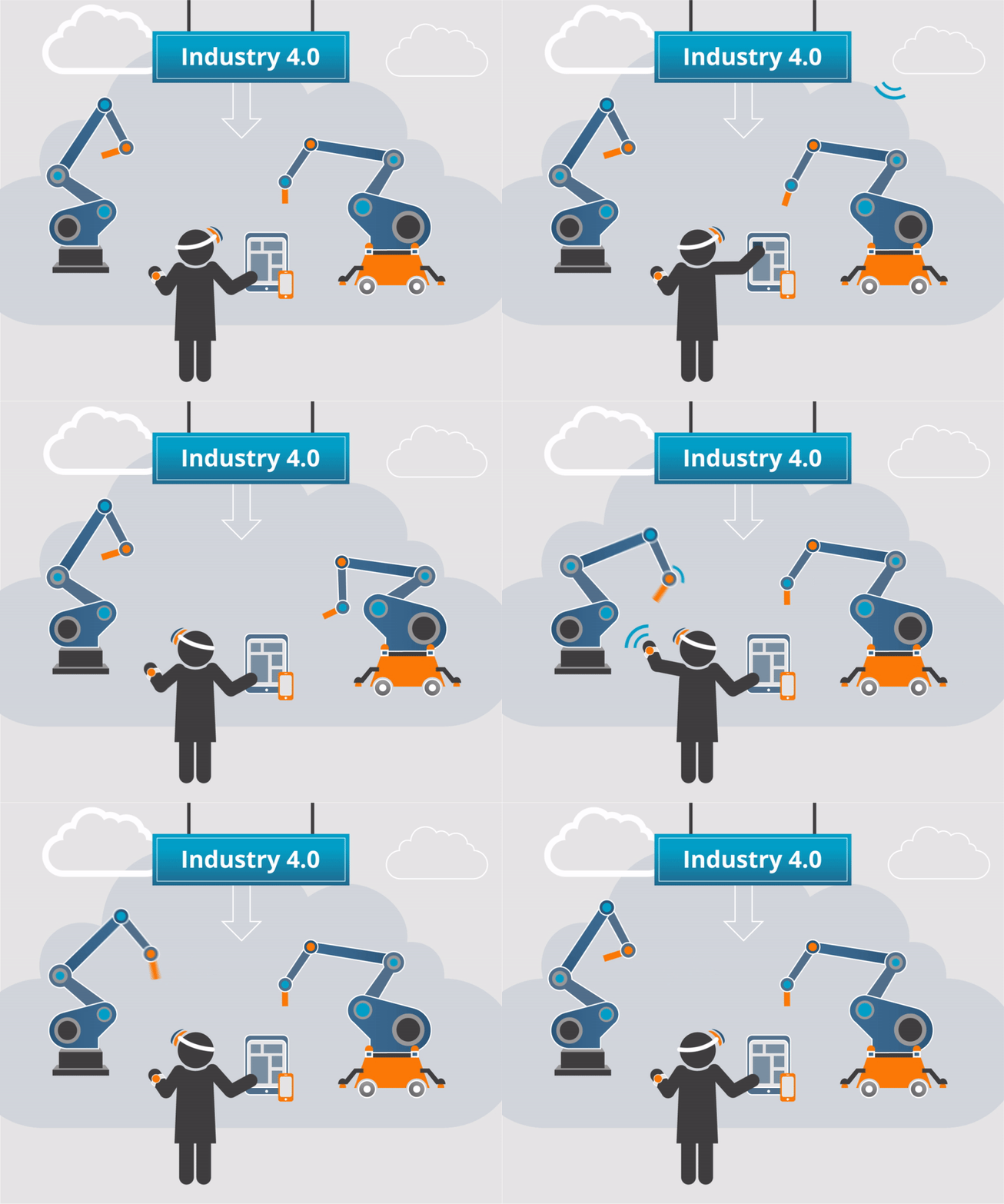
➢ To enable students understand the fundamentals and the contributing technologies of Industry 4.0.
➢ To make the students evaluate the suitability of Industry 4.0 technologies for the design and manufacturing sectors.
➢ To help the students implement the Industry 4.0 technologies to diverse applications.
UNIT 1 CONTRIBUTING TECHNOLOGIES 8 hrs
Brief introduction to the industrial revolutions. Contributing technologies to Industry 4.0: Additive manufacturing, Digital twin, Internet of things, Smart sensors, AR and VR, Artificial intelligence, Cloud computing, Block chain, Big data and analytics. Challenges and opportunities.
UNIT 2 ADVANCED CAD TECHNOLOGIES 8 hrs
Introduction to CAD. Enabling technologies: Digital twin, AR/VR, AI. Cloud computing, Touch/Voice/Motion enabled CAD, Customized CAD, Cloud based CAD, Digital twin and live simulation.
UNIT 3 SMART MANUFACTURING SYSTEMS 8 hrs
Enabling technologies: AI, Cloud computing, Robotics, IoT. Digital manufacturing: CNC, Cloud based manufacturing, IoT based manufacturing, Advanced CNC programming. Additive manufacturing. Micro electro mechanical systems. Robotics: Robotic automation, Collaborative robots, Autonomous robots, Swarm robots, and Modular robots.
UNIT 4 SMART FACTORY ENABLERS 8 hrs
Enabling technologies. Smart energy: Improving energy efficiency with data, Smart grids. Clean energy. Smart logistics. Smart Inspection. Smart decision making.
UNIT 5 AUTOMOMOUS VEHICLES 8 hrs
Introduction: Traditional mobility versus autonomous driving, Levels of automation, and challenges. Enabling technologies. Self-propelled vehicles, Drones, Unmanned aerial vehicles, Space crafts
UNIT 6 CASE STUDIES 5 hrs
Case studies related to Industry 4.0 applications, such as, transportation, energy, infrastructure, manufacturing, and product design sectors.
Max. 45 Hrs.
COURSE OUTCOMES
At the end of the course, the students will be able to:
CO1: Justify how the digitalization technologies are advantageous to the design and manufacturing industries.
CO2: Use the advanced CAD technologies to create the CAD models.
CO3: Use the smart manufacturing technologies to produce the components and products.
CO4: Recommend the enabling technologies to make various factory operations smarter.
CO5: Choose the suitable sensors and technologies to the future autonomous vehicles, drones and space crafts.
CO6: Prepare a report with the challenges faced currently, the enabling technologies to become smarter, and the
steps needed for the effective implementation for the given case study.
TEXT / REFERENCE BOOKS
1. Flavio Craveiro, Jose Pinto Duarte, Helena Bartolo and Paulo Jorge Bartolo, “Additive manufacturing as an enabling technology for digital construction: A perspective on Construction 4.0”, Automation in Construction, Vol. 103,pp. 251- 267, 2019.
2. Klaus Schwab, “Fourth Industrial Revolution”, Random House USA Inc, New York, USA, 2017.
3. Oliver Grunow, ”Smart Factory and Industry 4.0. The current state of Application Technologies”, Studylab Publications, 2016
4. Alasdair Gilchrist, “Industry 4.0: Industrial Internet of Things”, Apress, 2016
5. Sang C. Suh, U. John Tanik, John N Carbone, Abdullah Eroglu, “Applied Cyber-Physical Systems”, Springer Publications, New York, 2013.
- Teacher: Madhan Kumar G
Category: EVEN SEMESTER
This course aims at understanding the essential metabolic functions of the organism as well as consumption
and storage of energy intermediary metabolism of main biomolecules and its regulatory mechanisms
Category: EVEN SEMESTER
Summary
There are several ways of collecting and understanding information and finding answers to your questions – research is one way. The difference between research and other ways of obtaining answers to your questions is that in a process that is classified as research, you work within a framework of a set of philosophies, use methods that have been tested for validity and reliability, and attempt to be unbiased and objective.
Research has many applications. You need to have research skills to be an effective service provider, administrator/manager or planner. As a professional who has a responsibility to enhance professional knowledge, research skills are essential.
The typology of research can be looked at from three perspectives: application, objectives and the enquiry process. From the point of view of the application of research, there is applied and pure research. Most of the research undertaken in the social sciences is
applied, the findings being designed either for use in understanding a phenomenon/issue or to bring change in a programme/situation.
Pure research is academic in nature and is undertaken in order to gain knowledge about phenomena that may or may not have applications in the near future, and to develop new techniques and procedures that form the body of research methodology. A research study can be carried out with four objectives: to describe a situation, phenomenon, problem or issue (descriptive research); to establish or explore a relationship between two or more variables (correlational research); to explain why certain things happen the way they do (explanatory research); and to examine the feasibility of conducting a study or exploring a subject area where nothing or little is known (exploratory research). From the point of view of the mode of enquiry, there are two types of research: quantitative (structured approach) and qualitative (unstructured approach). The main objective of a qualitative study is to describe the variation and diversity in a phenomenon, situation or attitude with a very flexible approach so as to identify as much variation and diversity as possible, whereas quantitative research, in addition, helps you to quantify the variation and diversity. There are many who strongly advocate a combined approach to social enquiries.
These are the two paradigms that form the basis of social science research. Though these may provide values, terminology, methods and techniques for you to apply to your research, it is the purpose of research rather than the paradigm that should determine the mode of enquiry.
- Teacher: Malliga P
Category: EVEN SEMESTER
UNIT 1 NUCLEAR STRUCTURE
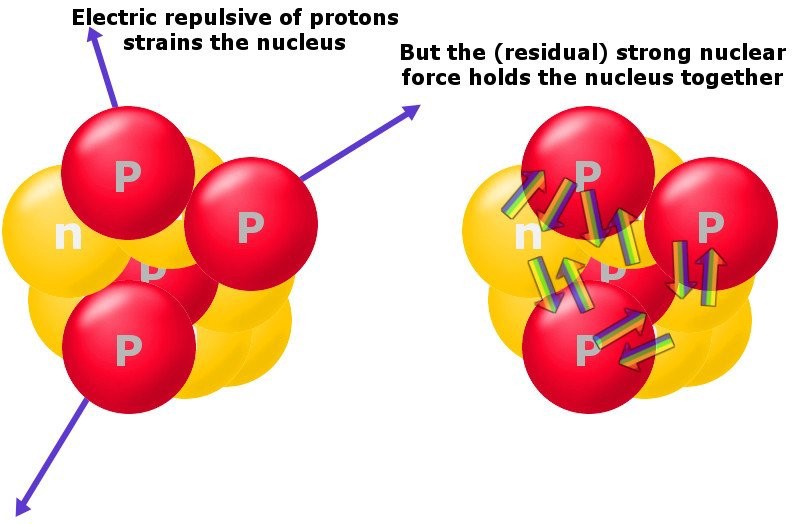
Nuclear radius, charge distribution, spin and magnetic moment – Determination of nuclear mass – Binding energy – Semiempirical mass formula – Nuclear stability – Mass parabolas – Nuclear shell model – Liquid drop model - Optical model – Collective model Nuclear Forces Exchange forces – Yukawa’s meson theory –Yukawa potential – Ground state of deuteron
UNIT 2 RADIOACTIVE DECAYS
Alpha decay – Gamow’s theory – Geiger Nuttal law - Neutrino hypothesis –Fermi’s theory of beta decay-Selection Rules – Non conservation of parity in beta decay – Gamma decay – Selection rules – International conversion – Nuclear isomerism. Detection of Nuclear Radiation Interaction of charged particles and X-rays with matter - Basic principles of particle detectors - Proportional counters and Geiger – Muller counters - Solid state and semiconductor detectors – Scintillation counters.
UNIT 3 NUCLEAR FISSION
Fission process – neutron released in the fission process - Characteristics of fission – Mass and energy distribution of nuclear fragments – Nuclear chain reactions – Four factor formula – Bohr-Wheeler’s theory of nuclear fission – Fission reactors – Power & breeder type reactors Nuclear Fusion Basic fusion processes – Solar fusion – Cold fusion- Controlled thermonuclear reactions – Pinch effects - Laser fusion techniques.
UNIT 4 NUCLEAR REACTIONS
Energetic of reactions – Q-equation - Level widths in nuclear reaction –Nuclear reaction cross sections – Partial wave analysis – Compound nucleus model – Resonance scattering – Breit –Wigner one level formula – Direct reactions – Stripping and pick-up reactions. Scattering Process, scattering cross-section – Scattering amplitude – Expression in terms of Green’s function – Born approximation and its validity – Screened Coulomb potential
UNIT 5 ELEMENTARY PARTICLES
Four types of interactions and classifications of elementary particles – Isospin - Isospin quantum numbers – Strangeness & hyper charge – Hadrons – Baryons – Leptons – Invariance principles and symmetries – Invariance under charge-parity(CP), Time(T) and CPT - CP violation in neutral K-meson decay - Quark model – Gell-Mann-Nishijma formula – Gauge theory of weak and strong interactions – Charm, bottom and top quarks.
- Teacher: Rameshkumar C
Category: EVEN SEMESTER
Involves the study of material properties, deformation, production technologies, applications in biological, medical and other engineering fields.
Category: ODD SEMESTER
PART-I: Conservative Dentistry and Endodontics
Applied Basic Sciences:
Applied Anatomy of Head and Neck:
• Development of face, paranasal sinuses and the associated structures and their anomalies, cranial and facial bones, TMJ anatomy and function, arterial and venous drainage of head and neck, muscles of face and neck including muscles of mastication and deglutition, brief consideration of structures and function of brain. Brief consideration of all cranial nerves and autonomic nervous system of head and neck. Salivary glands, Functional anatomy of mastication, deglutition and speech. Detailed anatomy of deciduous and permanent teeth, general consideration in physiology of permanent dentition, form, function, alignment, contact, occlusion.
• Internal anatomy of permanent teeth and its significance.
• Applied histology – histology of skin, oral mucosa, connective tissue, bone, cartilage,
blood vessels, lymphatics, nerves, muscles, tongue.
Anatomy and Development of Teeth:
• Enamel – development and composition, physical characteristics, chemical properties, structure.
• Age changes – clinical structure.
• Dentin – development, physical and chemical properties, structure type of dentin,
innervations, age and functional changes and clinical considerations.
• Pulp – development, histological structures, innervations, functions, regressive changes,
clinical considerations.
• Dentin and pulp complex.
• Cementum – composition, cementogenesis, structure, function, clinical considerations.
• Knowledge of internal anatomy of permanent teeth, anatomy of root apex and its
implications in endodontic treatment.
• Periodontal ligament – development, structure, function and clinical considerations.
• Salivary glands – structure, function, clinical considerations.
Applied Physiology:
• Mastication, deglutition, digestion and assimilation, fluid and electrolyte balance.
• Blood composition, volume, function, blood groups, haemostasis, coagulation, blood transfusion, circulation, heart, pulse, blood pressure, shock, respiration-control, anoxia, hypoxia, asphyxia, artificial respiration, and endocrinology – general principles of endocrine activity and disorders relating to pituitary, thyroid, parathyroid, adrenals
including pregnancy and lactation.
• Physiology of saliva – composition, function, clinical significance.
• Clinical significance of vitamins, diet and nutrition – balanced diet.
• Physiology of pain, sympathetic and Para sympathetic nervous system, pain pathways,
physiology of pulpal pain, Odontogenic and non Odontogenic pain, pain disorders –
typical and atypical.
• Biochemistry such as osmotic pressure, electrolytic dissociation, oxidation, reduction etc.
Carbohydrates, proteins, lipids and their metabolism, nucleoproteins, nucleic acid and their metabolism. Enzymes, vitamins and minerals, metabolism of inorganic elements, detoxification in the body, anti metabolites, chemistry of blood lymph and urine.
Pathology:
• Inflammation, repair, degeneration, necrosis and gangrene.
• Circulatory disturbances – ischemia, hyperemia, edema, thrombosis, embolism,
infarction, allergy and hypersensitivity reaction.
• Neoplasms – classifications of tumors, characteristics of benign and malignant tumors,
spread of tumors.
• Blood dyscrasias.
• Developmental disturbances of oral and Para oral structures, dental caries, regressive
changes of teeth, pulp, periapical pathology, pulp reaction to dental caries and dental
procedures.
• Bacterial, viral, mycotic infections of the oral cavity.
Microbiology:
• Pathways of pulpal infection, oral flora and micro organisms associated with endodontic diseases, pathogenesis, host defense, bacterial virulence factors, healing, theory of focal infections, microbes relevance to dentistry – strepto, staphylococci, lactobacilli, cornyebacterium, actinomycetes, clostridium, neisseria, vibrio, bacteriods, fusobacteria, spirochetes, mycobacterium, virus and fungi.
• Cross infection, infection control, infection control procedure, sterilization and disinfection.
• Immunology – antigen antibody reaction, allergy, hypersensitivity and anaphylaxis, auto immunity, grafts, viral hepatitis, HIV infections and aids. Identification and isolation of microorganisms from infected root canals. Culture medium and culturing technique
(Aerobic and anaerobic interpretation and antibiotic sensitivity test).
Pharmacology:
• Dosage and route of administration of drugs, actions and fate of drug in body, drug addiction, tolerance of hypersensitivity reactions.
• Local anesthesia – agents and chemistry, pharmacological actions, fate and metabolism of anaesthetic, ideal properties, techniques and complications.
• General anesthesia – pre medications, neuro muscular blocking agents, induction agents, inhalation anesthesia, and agents used, assessment of anesthetic problems in medically compromised patients.
• Anaesthetic emergencies
• Antihistamines, corticosteroids, chemotherapeutic and antibiotics, drug resistance,
haemostasis, and haemostatic agents, anticoagulants, sympathomimitic drugs, vitamins and minerals (A, B, C, D, E, K IRON), anti sialogogue, immunosupressants, drug interactions, antiseptics, disinfectants, anti viral agents, drugs acting on CNS.
Biostatistics:
• Introduction, Basic concepts, Sampling, Health information systems – collection, compilation, presentation of data. Elementary statistical methods – presentation of statistical data, Statistical averages – measures of central tendency, measures of dispersion, Normal distribution. Tests of significance – parametric and non – parametric tests (Fisher extract test, Sign test, Median test, Mann Whitney test, Kruskal Wallis one way analysis, Friedmann two way analysis, ANOVA, Regression analysis), Correlation and regression,Use of computers.
Research Methodology:
• Essential features of a protocol for research in humans
• Experimental and non-experimental study designs
• Ethical considerations of research Applied Dental Materials:
• Physical and mechanical properties of dental materials, biocompatibility.
• Impression materials, detailed study of various restorative materials, restorative resin and recent advances in composite resins, bonding- recent developments, tarnish and
corrosion, dental amalgam, direct filling gold, casting alloys, inlay wax, die materials, investments, casting procedures, defects, dental cements for restoration and pulp protection (luting, liners, bases) cavity varnishes.
• Dental ceramics-recent advances, finishing and polishing materials.
• Dental burs – design and mechanics of cutting – other modalities of tooth preparation.
Methods of testing biocompatibility of materials used.
PART-I: Orthodontics and Dentofacial Orthopedics
A. Applied Basic Sciences:
Applied Anatomy:
a. Prenatal growth of head:
Stages of embryonic development, origin of head, origin of face, origin of teeth.
b. Postnatal growth of head:
Bones of skull, the oral cavity, development of chin, the hyoid bone, general growth of head, growth of the face.
c. Bone growth:
Origin of bone, composition of bone, units of bone structure, schedule of Ossification, mechanical properties of bone, roentgen graphic appearance of bone
d. Assessment of growth and development:
Growth prediction, growth spurts, the concept of normality and growth increments of growth, differential growth, gradient of growth, methods of gathering growth data. Theories of growth and recent advances, factors affecting physical growth.
e. Muscles of mastication:
Development of muscles, muscle change during growth, muscle function and facial development, muscle function and malocclusion
f. Development of dentition and occlusion:
Dental development periods, order of tooth eruption, chronology of permanent tooth formation, periods of occlusal development, pattern of occlusion.
g. Assessment of skeletal age.
Physiology:
a. Endocrinology and its disorders:
Growth hormone, thyroid hormone, parathyroid hormone, ACTH.
b. Calcium and its metabolism:
c. Nutrition-metabolism and their disorders:
Proteins, carbohydrates, fats, vitamins and minerals
d. Muscle physiology:
e. Craniofacial Biology:
Adhesion molecules and mechanism of adhesion
f. Bleeding disorders in orthodontics: Hemophilia
Dental Materials:
a. Gypsum products:
Dental plaster, dental stone and their properties, setting reaction etc.
b. Impression materials:
Impression materials in general and particularly of alginate impression material.
c. Acrylics:
Chemistry, composition physical properties
d. Composites:
Composition types, properties, setting reaction
e. Banding and bonding cements:
f. Wrought metal alloys:
Deformation, strain hardening, annealing, recovery, recrystallization, grain growth,
properties of metal alloys
g. Orthodontic arch wires
h. Elastics:
Latex and non-latex elastics.
i. Applied physics, Bioengineering and metallurgy:
j. Specification and tests methods used for materials used in Orthodontics:
k. Survey of all contemporary literature and recent advances in above mentioned
materials:
Genetics:
a. Cell structure, DNA, RNA, protein synthesis, cell division
b. Chromosomal abnormalities
c. Principles of orofacial genetics
d. Genetics in malocclusion
e. Molecular basis of genetics
f. Studies related to malocclusion
g. Recent advances in genetics related to malocclusion
h. Genetic counseling
i. Bioethics and relationship to Orthodontic management of patients.
Physical Anthropology:
a. Evolutionary development of dentition
b. Evolutionary development of jaws.
Pathology:
a. Inflammation b. Necrosis
Biostatistics:
a. Statistical principles
• Data Collection
• Method of presentation
• Method of Summarizing
• Methods of analysis – different tests/errors
b. Sampling and Sampling technique
c. Experimental models, design and interpretation
d. Development of skills for preparing clear concise and cognent scientific abstracts and
publication
Applied Research Methodology In Orthodontics:
a. Experimental design
b. Animal experimental protocol
c. Principles in the development, execution and interpretation of
methodologies in Orthodontics
d. Critical Scientific appraisal of literature.
Applied Pharmacology
Definitions & terminologies used – Dosage and mode of administration of drugs. Action and fate of drugs in the body, Drug addiction, tolerance and hypersensitive reactions, Drugs acting on the central nervous system, general anesthetics hypnotics, analeptics and tranquilizers. Local anesthetics, Chemotherapeutics and antibiotics. Vitamins: A, D, B – complex group, C & K etc.
Part I Pediatric and Preventive Dentistry
A) Applied Basic Sciences:
Applied Anatomy of Head and Neck:
• Anatomy of the scalp, temple and face
• Anatomy of the triangles of neck and deep structures of the neck
• Cranial and facial bones and its surrounding soft tissues with its applied aspects
• Muscles of head and neck
• Arterial supply, venous drainage and lymphatics of head and neck
• Congenital abnormalities of the head and neck
• Anatomy of the cranial nerves
• Anatomy of the tongue and its applied aspects
• Anatomy and its applied aspects of salivary glands, pharynx, thyroid and parathyroid
gland, larynx, trachea, esophagus
• Autonomous nervous system of head and neck
• Functional anatomy of mastication, deglutition, speech, respiration and circulation
• TMJ: anatomy and function
Applied Physiology:
Introduction, Mastication, deglutition, digestion and assimilation, Homeostasis, fluid and electrolyte balance. Blood composition, volume, function, blood groups and hemorrhage, Blood transfusion, circulation, Heart, Pulse, Blood pressure, Normal ECG,capillary and lymphatic circulation, shock, respiration, control, anoxia, hypoxia, asphyxia, artificial respiration. Endocrine glands in particular reference to pituitary, parathyroid and thyroid glands and sex hormones. Role of calcium and Vit D in growth and development of teeth, bone and jaws.Role of Vit.A, C and B complex in oral mucosal and periodontal health.Physiology and function of the masticatory system. Speech mechanism, swallowing and deglutition mechanism, salivary glands and Saliva
Applied Pathology:
Inflammation and chemical mediators, Thrombosis, Embolism, Necrosis, Repair, Degeneration , Shock, Hemorrhage , Blood dyscrasias, Pathogenesis of Dental Caries, Periodontal diseases, tumors, oral mucosal lesions etc. in children
Applied Microbiology:
Microbiology & Immunology as related to Oral Diseases in Children: Basic concepts, immune system in human body, Auto Immune diseases and Immunology of Dental caries.
Applied Nutrition & Dietics:
• General principles, balanced diet, effect of dietary deficiencies and starvation, protein energy, malnutrition, Kwashiorkor, Marasmus.
• Fluid and Electrolytic balance in maintaining haemostasis
• Diet, digestion, absorption, transportation and utilization
Genetics:
• Introduction to genetics
• Cell structure, DNA, RNA, protein synthesis, cell division
• Modes of inheritance
• Chromosomal anomalies of oral tissues & single gene disorders
Growth & Development:
Prenatal and Postnatal development of cranium, face, jaws, teeth and supporting structures.Chronology of dental development and development of occlusion. Dimensional changes in dental arches. Cephalometric evaluation of growth.
- Teacher: S Aravinthan
- Teacher: MALATHY BALARAMAN RAVINDRRAN
- Teacher: Dr.PRATHIBA GNANASEKARAN
- Teacher: PRIYANKA L.S
- Teacher: MANEESHWARI M
- Teacher: Mirnalini Mirnalini
- Teacher: Dr.Premjanu N
- Teacher: Venkatalakshmi Nagella
- Teacher: Tamil Selvi Palaniappan
- Teacher: Revathy Rajendran
- Teacher: REESHMA RUCKSCHANDA
- Teacher: MOHAMMED MEERA RIYAZ S
- Teacher: Srividya S
- Teacher: Priya Sathish
- Teacher: Dr.Murali Sivakumar
- Teacher: GOUSALYA V
Category: SCHOOL OF DENTAL SCIENCES
In chemical engineering and its related fields, a unit operation is a basic step in a process. For this reason they can be classified in different ways. The first category assigned to UOs is mechanical operations.Mechanical unit operations can be categorized into three:Operations involving particulate solids;Operations involving solid-fluid;Operations involving fluid systems;
- Teacher: Sathish S
Category: EVEN SEMESTER
|
SMEB1603 |
MECHANICS OF MACHINES |
L |
T |
P |
Credits |
Total Marks |
|
3 |
0 |
0 |
3 |
100 |
COURSE OBJECTIVES:
The aim of the course is to:
· Provide the insights of the fundamentals of Mechanisms and Cams.
· Understand the basics of Flywheels, Balancing of Rotating and Reciprocating unbalance systems.
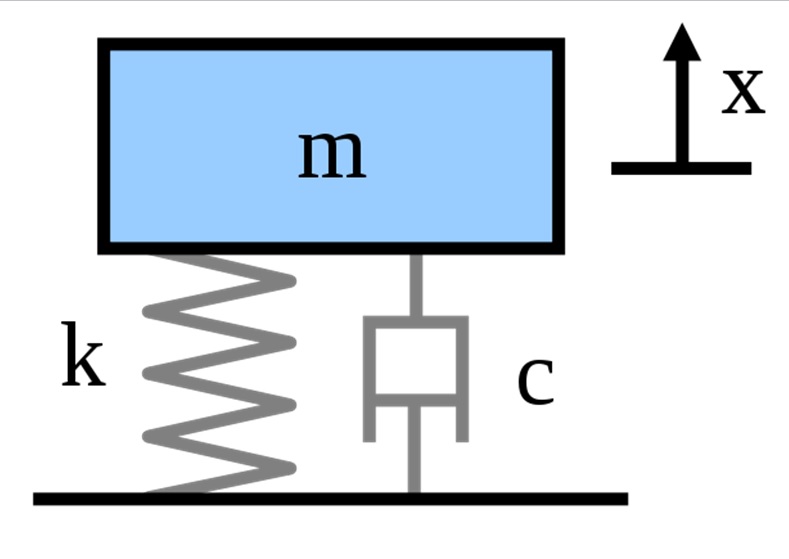
· Enhance knowledge of Single degree - Free and Damped Vibrations.
· Provide the detailed overview of Forced Vibrations.
· Discuss the fundamentals of Gyroscopes and Governors.
UNIT I MECHANISMS AND CAMS 9 hrs
Mechanisms – Terminology and definitions – Kinematics inversions of 4 bars and slider crank chain – Kinematic analysis in simple mechanisms. Types of cams and followers - Terminology and definitions – Displacement diagrams – SHM, uniform velocity, uniform acceleration and retardation. Graphical constructions of cam profiles – Disc cam with knife edge follower, roller follower and flat-faced follower.
UNIT II FLY WHEELS AND BALANCING 9 Hrs
Turning moment diagrams – Fluctuation of Energy and speed – Energy stored in Flywheel – Mass of Flywheel – Dimensions of Flywheel. Balancing – Static and Dynamic Balancing of Rotating Masses - Balancing of several masses rotating in same plane and in different planes- Partial Balancing of locomotives – Variation of tractive force, Hammer blow and swaying couple.
UNIT III FUNDAMENTALS OF VIBRATION 9 Hrs
Basic features of vibratory systems - Lumped mass systems - Degrees of freedom - Free vibration of Longitudinal, Transverse and Torsional systems of Single degree of freedom - Equations of motion - Natural frequency – Whirling of shafts and critical speed - Dunkerley’s Method – Torsional vibration of Two and Three rotor system. Damped free vibration - Types of Damping –Critical damping coefficient - Damping Factor – Logarithmic Decrement.
UNIT IV FORCED VIBRATION 9 Hrs
Forced vibration of single degree freedom system with damping - Response to periodic forcing- Harmonic Forcing - Force transmissibility and amplitude transmissibility - Reciprocating and rotating unbalance - vibration isolation and transmissibility - Support motion - self excited vibration with examples
UNIT V GOVERNORS AND GYROSCOPES 9 Hrs
Gyroscopes and gyroscopic effects-Effect of precession motion on the stability of moving vehicles such as motor car, motor cycle, aero planes and ships gyroscopic couple, (Demonstration of models in video). Governors - types and applications - Watt, Porter and Proell governors - Spring loaded governors -Hartnell and Hartung with auxiliary springs. Sensitiveness- isochronisms and hunting.
Max Hours: 45 Hrs
COURSE OUTCOMES:
At the end of the course, the students will be able to:
CO1: Investigate the Mechanisms and Cams.
CO2: Determine the principle of Flywheel, Rotating and Reciprocating masses.
CO3: Analyze the Single degree - Free and Damped Vibrations.
CO4: Evaluate the force transmitted to the foundation for mechanical systems in Forced Vibrations.
CO5: Apply the fundamentals of Gyroscopes.
CO6: Apply the fundamentals of Governors.
TEXT/REFERENCE BOOKS:
1. Khurmi R.S& Gupta J.S, “Theory of Machines”, 16th Edition, S.Chand & Company, 2005, Reprint 2016.
2. Singh V.P, “Mechanical Vibrations”, 3rd Edition, Dhanpatrai & Co., 2006.
3. Ghosh A. and Malik A.M, “Theory of Mechanism and Machines”, 4th Edition, Affiliated East West Press (P) Ltd. 2009.
4. Ashok G. Ambekar, “Mechanism and Machine Theory”, First Edition,PHI Learning Private limited, 2009.
5. Rattan S. S, Theory of Machines, 3rd Ed., Tata Mcgraw Hill, 2009.
6. Gordon R Pennock, Joseph E Shigley, “Theory of Machine and Mechanisms SI Edition, 4th Edition, Oxford University Press, 2014
|
END SEMESTER EXAM QUESTION PAPER PATTERN |
|||||||||||||
|
|
||||||||||||
- Teacher: LAKSHMI SANKAR S
Category: ODD SEMESTER
The course makes the students to understand the ethics and the principles of Media. The course covers topics on the definition of ethics, values and principles. The learners will identify the relationship between ethics and society. This course will make them to analyze the ethical challenges in the media. Through various case studies, the learners can understand the prevailing laws and ethics especially in cyber space. The course also aims to introduce the concept of cyber crime .

Category: ODD
To Acquire knowledge about Micromachining and
to acquire knowledge about MEMS Devices

- Teacher: Sangeetha M
Category: EVEN SEMESTER
COURSE OBJECTIVES
- To impart the fundamentals concepts of mobile communication systems.
- To introduce various technologies and protocols involved in mobile communication.
- Examine Theory Research in Mobility
- Examine Systems Research in Mobility
UNIT 1 WIRELESS COMMUNICATION
Basic cellular systems - Frequency Management and Channel Assignment - Types of handoff and their
characteristics, dropped call rates & their evaluation - MAC - SDMA - FDMA - TDMA - CDMA - Cellular Wireless Networks.
UNIT 2 WIRELESS NETWORKS
Wireless LAN - IEEE 802.11 Standards - Architecture - OFDM Technology - Services - Mobile Ad hoc
Networks- IEEE 802.16 standards, Comparison of 802.11 and 802.16 - Wireless Local Loop - Architecture - WLL Technologies.
UNIT 3 MOBILE COMMUNICATION SYSTEMS
GSM – Architecture - Location tracking and call setup - GSM Mobility management – Handover – Security -GSM SMS - International roaming for GSM - Call recording functions - subscriber and service data management -Mobile Number portability.GPRS – Architecture - GPRS procedures - Attach and detach procedures - PDP context procedure - Combined RA/LA update procedures - Billing.
UNIT 4 MOBILE NETWORK AND TRANSPORT LAYERS
Mobile IP - Dynamic Host Configuration Protocol - Mobile Ad Hoc Routing Protocols - Multicast routing - TCP over Wireless Networks - Indirect TCP - Snooping TCP - Mobile TCP - Fast Retransmit / Fast Recovery – Transmission / Timeout Freezing-Selective Retransmission - Transaction Oriented TCP - TCP over 2.5 / 3G wireless Networks
UNIT 5 APPLICATION LAYER
WAP Model - Mobile Location based services - WAP Gateway - WAP protocols - WAP user agent profile-caching model - Wireless bearers for WAP - WML - WMLScripts - WTA – iMode - SyncML.
TEXT / REFERENCE BOOKS
1. Jochen Schiller, “Mobile Communications”, Second Edition, Pearson Education, 2003.
2. William Stallings, “Wireless Communications and Networks”, Pearson Education, 2002.
3. Yi-Bing Lin, Imrich Chlamtac, “Wireless and Mobile Network Architectures”, John Wiley and sons, 2001

- Teacher: Dr Jayasudha F V
Category: ODD SEMESTER
COURSE OBJECTIVES
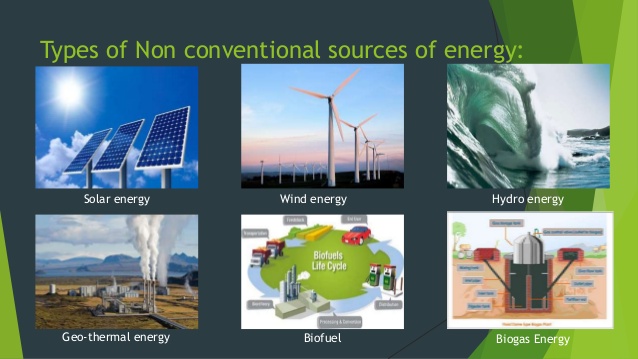
To give essential knowledge of construction and working of various types of Non-Conventional Energy Systems.
To detail the role of Mechanical Engineers in their operation and maintenance.
COURSE OUTCOMES
On completion of the course, student will be able to
CO1 - Understand the basic concepts of Non-Conventional Power Generation & its importance. CO2 - Apply the basic thermodynamic principles to different renewable energy systems.
CO3 - Analyze and understand solar energy systems, working and its significance.
CO4 - Analyze thermodynamic cycles of Wind, bio & other renewable energy sources.
CO5 - Understand the importance ad necessity of renewable energy sources.
CO6 - Recognize renewable energy production, Distribution & cost estimation.
- Teacher: SENTHILKUMAR G
Category: EVEN SEMESTER
Unit 1: Properties of Nuclei
Introduction, Classification of Nuclei, Properties of Nuclei - Nuclear size, charge, mass, density, spin, magnetic dipole moment, electric quadrupole moment, binding energy, packing fraction, Nuclear Stability. Nuclear models - Liquid Drop Model (Weizacker Semi Empirical mass formula), Shell Model and magic numbers.
Unit 2: Detectors of Nuclear Radiations
Introduction, Interaction between energetic particles and matter, Ionization Chamber, Solid-State Detectors, Proportional Counter, Geiger-Muller Counter, Photo Multiplier Tube, Scintillation Counter.
Unit 3: Particle Accelerators
Introduction, Van de Graaff Generator, Linear Accelerator, Cyclotron, Synchrocyclotron, Betatron, Electron Synchrotron, Proton Synchrotron (Bevatron).
Unit 4: Radioactivity
Introduction, Natural radioactivity, Alpha Particle – Properties, e/m ratio, charge, range, Geiger-Nuttal law.Measurement of Range of Alpha particle by Bragg - Kleeman method, Geiger - Nuttal method.Beta Particle – Properties, e/m ratio, Pauli’s Neutrino Hypothesis, Neutrino theory of Beta decay, Detection of Neutrino. Gamma Particle – Origin, determination of wavelength by Du Mond Curved Crystal Spectrometer, Nuclear Isomerism, Internal Conversion, Mossbauer effect with experiment.
Unit 5: Elementary Particles
Introduction, Classification of elementary particles (Baryon and Leptons), Particles and Anti-Particles, Antimatter, Fundamental Interactions, Elementary Particle Quantum numbers – Baryon, Leptons, strangeness, Hypercharge and Isospin. Conservation Laws – Parity, Charge Conjugation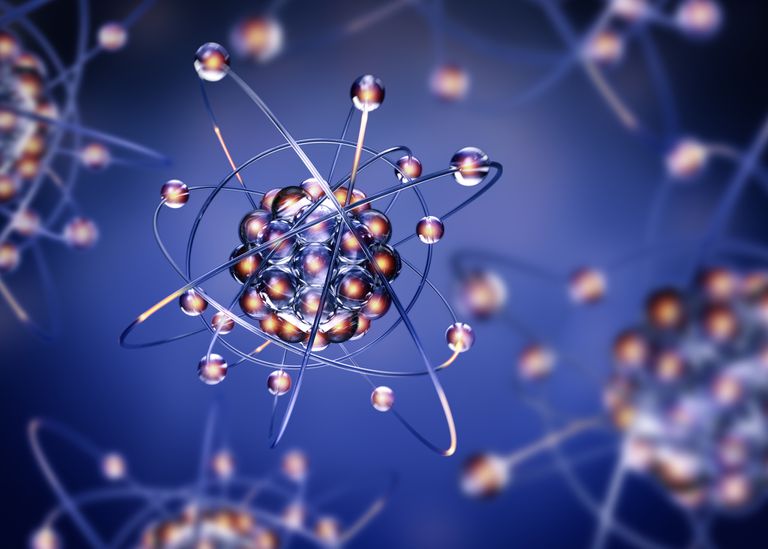
- Teacher: Jayalakshmi D.S
Category: EVEN SEMESTER
UNIT 1 INTRODUCTION
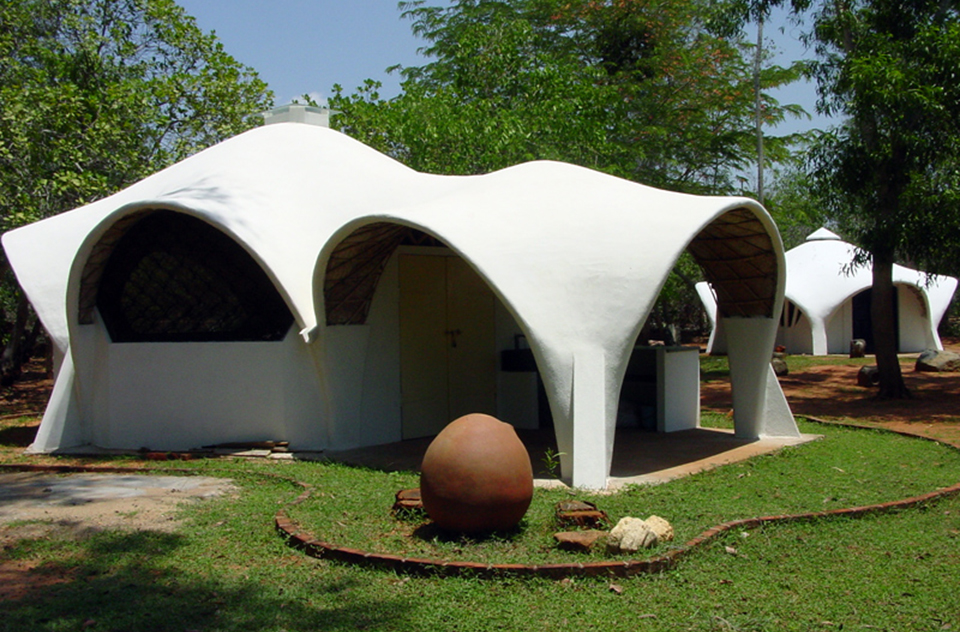
. Understanding the essence of ‘alternative building materials and technology’, ‘rematerial oriented design’, ‘super use’ ‘opportunistic architecture’ need for alternative building materials and building technology, alternative natural building materials - building materials with recycled content
UNIT 2 ALTERNATIVE BUILDING MATERIALS. Locally available building materials and their usability – applications of bamboo in building construction – flooring – roofingceiling – trusses Mud as building and building materials - field tests for identification of suitable soil for mud construction – techniques of mud stabilization –techniques of mud construction – finishes and protective treatments – production of mud blocks Innovative techniques for walls – lato blocks- cellular concrete blocks – hollow concrete blocks – hollow clay blocks – stone masonry blocks – sand lime bricks Use of industrial, agricultural, construction wastes and post-consumer wastes - Survey of such materials development by research organizations like CBRI, SERC etc.
UNIT 3 ALTERNATIVE BUILDING TECHNOLOGY Innovative techniques for roofing/flooring - Filler slabs, Composite beam panel roofs, Masonry vaults and domes – funicular shells – precast reinforced concrete channel units – pre stressed concrete hollow cored units- precast RCC joints – ferro cement ribbed slabs – folded plates, Foundations - Use of arches in foundation, alternatives for walls constructions – composite masonry, confined masonry, cavity walls, rammed earth, rat trap bond - Ferro cement and ferro-concrete building components Materials and specifications, Properties. Top down construction, Fast track construction methods - building examples Alternative practices - windows and door - panels and frames, flooring, handrails, partitions, staircases - Staircase - Methods of construction of staircases (timber, steel, glass, composite materials) - basic principles, finishes for staircases
UNIT 4 EMERGING MATERIALS .
Current developments in the use of Nano materials in construction industry – various types of nano fibers like nano silica, nanoTitania, carbon nano tubes, carbon nano fibers - applications - advantages and disadvantages
UNIT 5 SUGGESTIVE ASSIGNMENT
Case studies of buildings constructed with alternative building materials and technology for substructure and superstructure
in Indian context
Category: SCHOOL OF BUILDING AND ENVIRONMENT
UNIT 1 TRADITIONAL APPROACH AND NETWORK ANALYSIS
. Traditional Management System - Gantt’s approach - load, progress and bar charts - limitations & overcoming - Project programming - work breakdown structure. Introduction to PERT & CPM -Introduction to network concepts, network elements and inter-relationships-Network techniques -Network logic - activity interrelationships - development of CPM network - Identification of critical path - Different float computations - Early start, early finish, late start, and late finish- worked out examples-Network control (updating): Introduction, process of updating, data required for updating, when to update, method of updating, examples.
UNIT 2 PROBABILITY ANALYSIS
PERT Network - Introduction to theory of probability and statistics - Probabilistic time estimates of activities - Analysis of PERT network.
UNIT 3 PROJECT COST & RESOURCE ALLOCATION
. Introduction to two-dimensional network analysis - activity cost information - cost time relationship - crashed estimates for activities - compression potential-cost slope - Project direct cost and indirect cost- crashed program, Network compression - least cost, least time, optimum solutions. Resource allocation - Resource levelling and smoothing - Simple examples.
UNIT 4 SOFTWARE APPLICATIONS .
Introduction to Project Management software’s - Applications - Detailed planning of a simple project - Scheduling using
M.S. project and Primavera.

Category: SCHOOL OF BUILDING AND ENVIRONMENT
COURSE OBJECTIVE:
1.TO UNDERSTAND THE FINANCIAL ACCOUNTING CONCEPTS OF DEPARTMENTS AND BRANCHES.
2. TO PREPARE ACCOUNTS FOR HIRE PURCHASE AND INSTALMENT SYSTEM.
3. LEARN THE METHODS OF MAINTAINING PARTNERSHIP ACCOUNTS.
- Teacher: S SHANTHINI
Category: SCHOOL OF MANAGEMENT STUDIES
COURSE OBJECTIVES
To provide an understanding of the concepts, functions and techniques of managing people.
To understand the HRM practices, in terms of HRP, Training and Development, Compensation, etc
To understand enterprise issues and the changing role of Human Resource and Industrial Relations.
- Teacher: JOHN BRITTO M
Category: SCHOOL OF MANAGEMENT STUDIES