Search results: 1467
COURSE OBJECTIVE
To understand the basic principles of physics of electricity and light and to enable them to understand the electrical layout with appropriate cross section of wires and luminance.

- Teacher: Vignaeshwar C
Category: EVEN
COURSE OBJECTIVES
Ø To understand the physics of sound, its characteristics & behavior both indoors and outdoors.
Ø To learn the principles of design with particular reference to acoustics in performing spaces.
Ø To explore the types of mechanical transportation systems and their usage in built environment along with the design parameters.
COURSE OUTCOMES
On completion of the course the student will be able to
CO1: Knowledge on Science of Sound including different types of acoustic materials, their properties and design factors
In the built environment based on the function.
CO2: Comprehend principles of acoustic design and its application in outdoor environment.
CO3: Art and Science of designing performing spaces and broadcasting studios with particular reference to acoustics
CO4: Methods to avoid sound transmission in interior spaces.
CO5: Judicial use of mechanical transportation devices in built environment.
CO6: Total
understanding of design standards of diverse mechanical transportation systems
like elevators and
escalators.

- Teacher: Deepalakshmi S
- Teacher: Kavitha S
- Teacher: PRIYADHARSHINI S
Category: ODD
COURSE OBJECTIVES
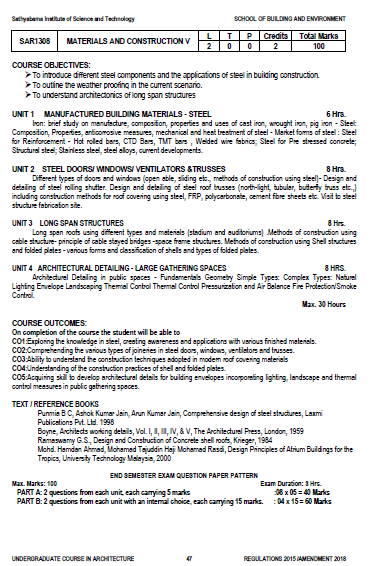
➢ To introduce the basic concepts of manufactured building materials and their applications in built environment including the techniques of thermal and sound insulation.
➢ To get an understanding on the terminology and materials used in false ceiling along with details for incorporating lighting and air conditioning.
➢ To familiarize the students with the methods of construction for a staircase using various materials like timber, steel, glass and composite materials.
Category: ODD
SAR1304_Materials and Construction - IV
Ar. Ramkumar, Ar. Juvila, Ar. Selvendiran, Ar. Madhumitha
- Teacher: Ramkumar R
Category: ODD
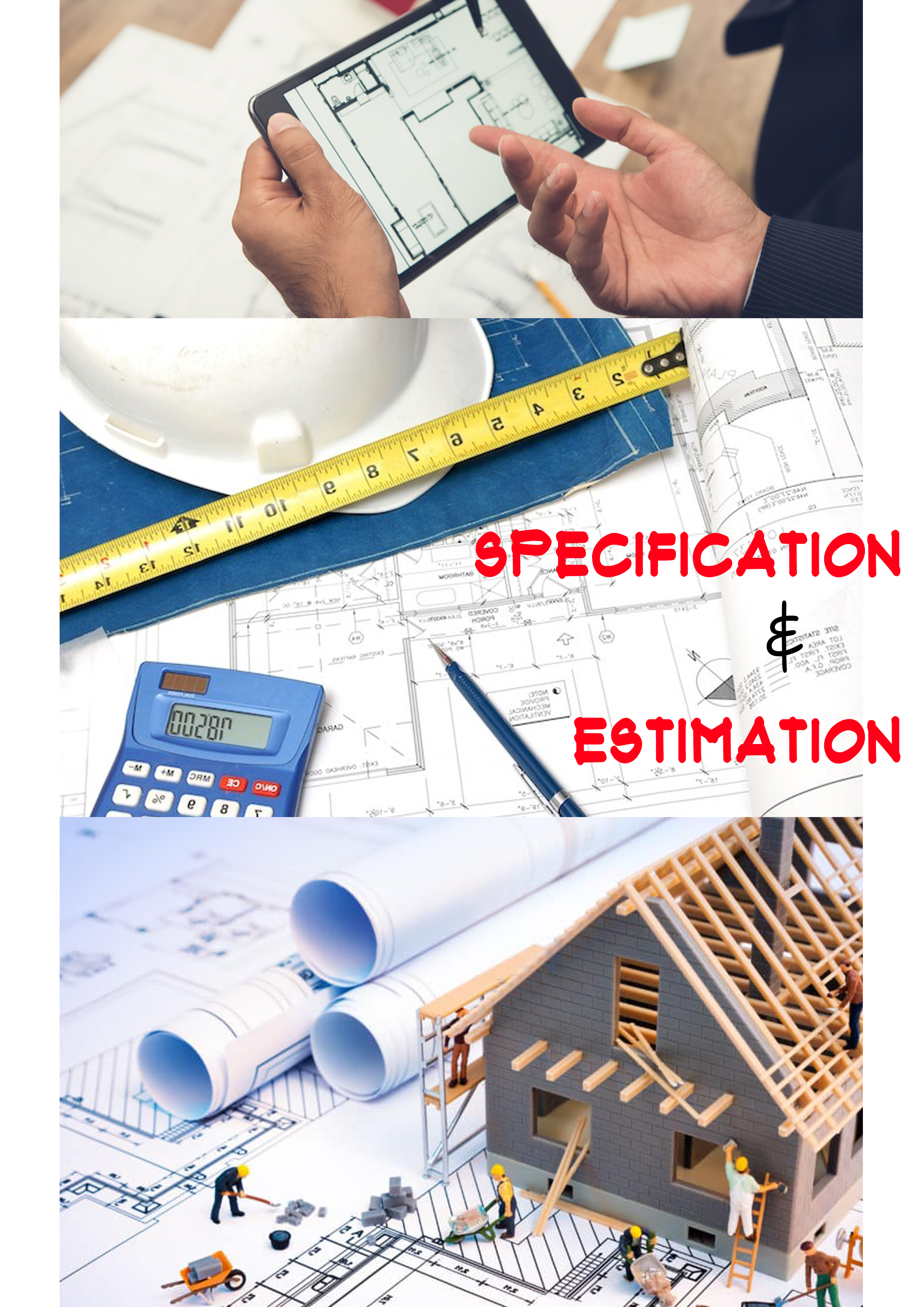
- To introduce the importance of specification for quality control in design and construction.
- This course is a field oriented course and contains easy simple examples for better understanding
- Helping the students in preparation of bill of quantities for the quantity estimate in construction, the calculation of rough and detailed estimation for the budgeting in construction projects.
- After successful completion of this course, you will be able to Estimate Any Building Project (From Foundation To Finishing)
- Teacher: Vignaeshwar C
Category: ODD
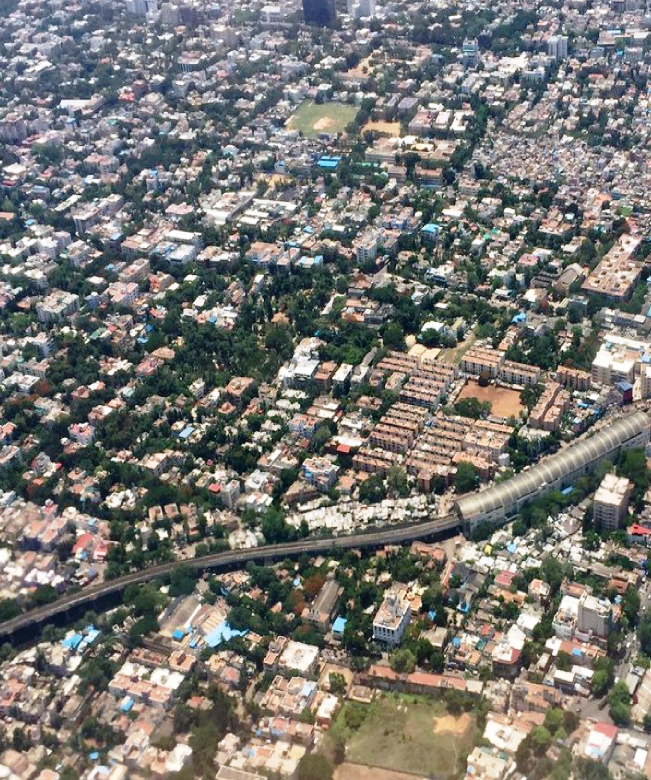
To give an introductory and over all understanding of the relationship between Architecture and urban and regional planning
To construct knowledge on various aspects involved in the planning and development of cities and regions
To explore the holistic understanding of regional planning in Indian context.
- Teacher: Juvilasri Vignesh
Category: EVEN
COURSE OBJECTIVE
To introduce the skills and knowledge relevant to the practice of professional journalism.
UNIT 1 INTRODUCTION
Introduction to journalism, Subfields within Journalism, Key concepts and objectives of Journalism - Introduction to architectural journalism, skills needed, reporting, writing, editing, photography, columnists, public relationships, criticism.
UNIT 2 TECHNOLOGIES IN JOURNALISM
Environment, Social Change, Persuasion Interviewing techniques, Argument and debate as a technique in the investigation of social problems; evidence, proof, refutation, persuasion; training in argumentative speaking, theories of journalism, Introduction to architectural software needed in journalism and photography, Video coverage, walkthrough of buildings, production of contemporary architectural journalism. Understanding the individual demands in the context of newspapers, radio, film, and television.
UNIT 3 PRESENTATION TECHNIQUES
Text preparations, Mode of presentation, Standards and Guidelines for documentation, Code of ethics, Basic knowledge on Press laws, Press Council of India, Public Debate, Navigating Information Networks for Mass Media with relevance to searches on Architectural topics, User generated contents for analysis of various issues on Architecture, creating an online forum and platform for exchange of ideas and information, to critically contrast outputs of selected individual pieces of journalism.
UNIT 4 IMPLICATIONS FOR ARCHITECTURAL DESIGN
Regional, National and International discussion forums, Changes in contemporary and historical design practices, Discussions on topics needed in an architectural journal and current issues- types of journals, works of key architectural journalists, Public Discourse on the Internet, Mass Media and Public Opinion critically appraise selected individual pieces of journalism.

- Teacher: Yusuf Chiniwala
Category: ODD
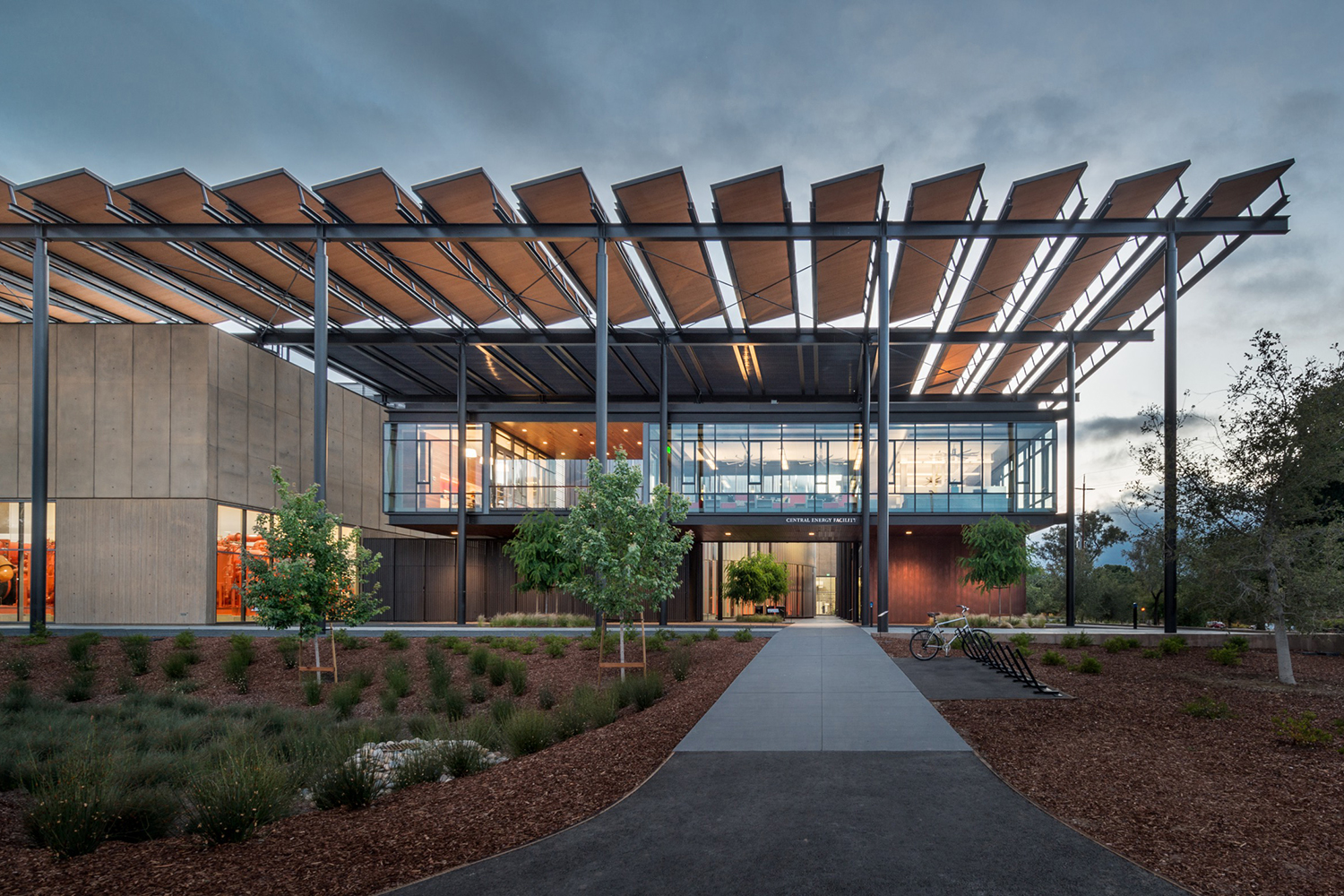
In this course, we will be looking at what low-energy design means, specific strategies to be considered while designing a energy efficient building, through the basic energy efficiency principles, building materilas, technologies and policies.This course will give an in-depth understanding of the different steps involved in achieving Energy efficient design. Detailed examples from the world over will further reinforce understanding of the concept.
- Teacher: Surya Rajkumar
Category: ODD
SAR1613 - Steel in Architectural Design
This is one of the Common elective at University level, where students from across departments can register and benifit
Category: EVEN

This course gives an insight into 'research,' 'types of research,' 'research in architectural domain.' Novices are expected to build knowledge on approaches, strategies, and data collection methods relating to research. Numerous open ended assignments enable them to unravel and demystify the various phases of research critically.

- Teacher: Arulmalar Ramaraj
Category: ODD
This course will help the student understand the concept and types of innovation in a wider context, it will appraise the diverse strategies adopted by diverse architects with a focus on the competing logics of sustainable architecture. The course will formulate unique strategies to achieve sustainability in architectural design.

Category: EVEN
COURSE OBJECTIVES :
- To construct knowledge on the fundamentals of art and its reflection in culture, theories and solutions related to society and culture.
- To understand the basic concepts / theories of formation of society, role of architecture in the built environment and the relationship between man and the environment.
- To familiarize the students with the community, various factors influence various communities in a society and its impact on the environment.
On completion of the course the student will be able to
CO1 Understand the cultural contexts, development of various art forms and their representation during different time periods.
CO2 Comprehend the relationship between society, culture and the environment.
CO3 Understand the evolution of social groups over time and human habitat related to various contexts and culture.
CO4 Appraise the relationship of construction with respect to society and their culture and also the emergence of the Architect.
CO5 Summarize the different cultural context and analyze their relationship with the design of built forms.
CO6 Relate the role of culture and human behavior in a society and their response to the environment.

Category: ODD
COURSE OBJECTIVES:
⮚ To explore the architectural marvels constructed during the modern era.
⮚ To comprehend the philosophies of the master architects during the 19th century.
⮚ To study in detail the different post-modern directions in architecture.
COURSE OUTCOME:
On completion of the course the student will be able to
CO1 Outline the planning principles and the construction techniques adopted during the indosaracenic era.
CO2 Summarize the architectural exemplars during the Neo Classicism era.
CO3 Outline the salient features and construction techniques adopted in the industrial exhibitions.
CO4 Explain the manifestations of art movements in architecture.
CO5 Discuss the philosophies of master architects with examples
CO6 Explain the transition observed in exemplars of architecture during the modern era.

- Teacher: Shruthi Natarajan
Category: ODD
- Teacher: Arhannaraju .
- Teacher: Sindhumeenaatchi .
Category: ODD
The objective of the course is to introduce and disseminate the knowledge about project management and their
application during the pre- construction and construction phase of a large construction project life cycle. To provide the basic understanding about the various project management methodologies used in various phases
like initiation, feasibility, design phase, bid and award phases, construction and closeout phases of a project.

- Teacher: Ramesh Kumar NA
- Teacher: Dr.Annamalai S
Category: EVEN
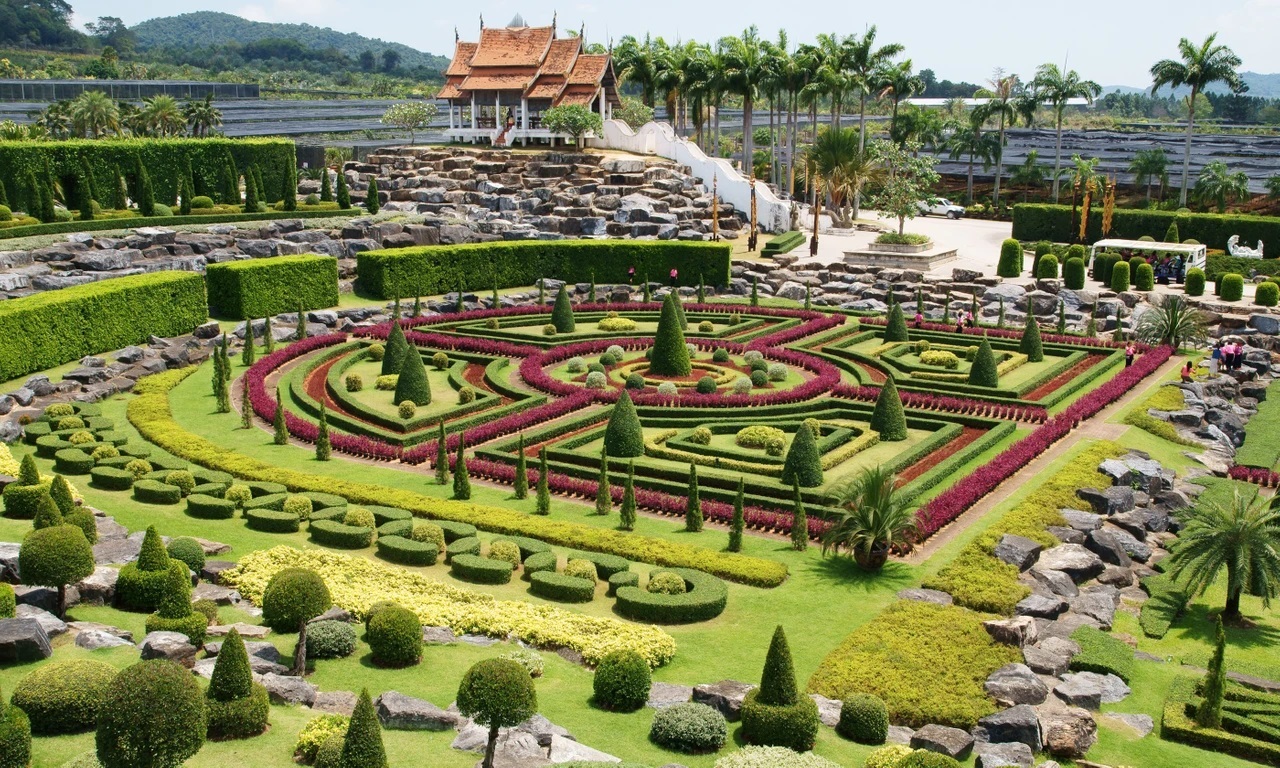
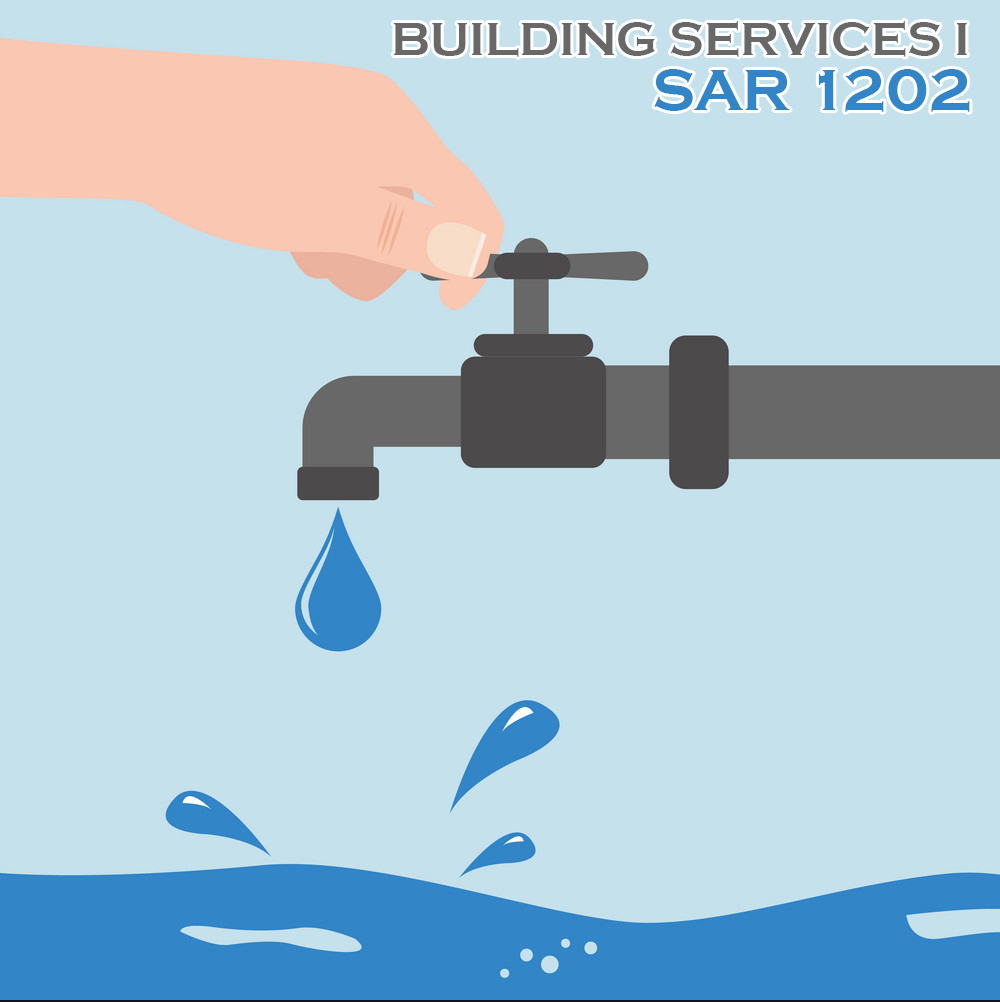
The Course is designed to provide an understanding of the basic principles of water supply and sanitation. It also enables the architect by providing exposure to planning, design and execution aspects of water supply and sanitation systems. Further the course offers an insight on the various water supply and sanitary systems for residence & high-rise structures
- Teacher: Arhannaraju .
Category: ODD
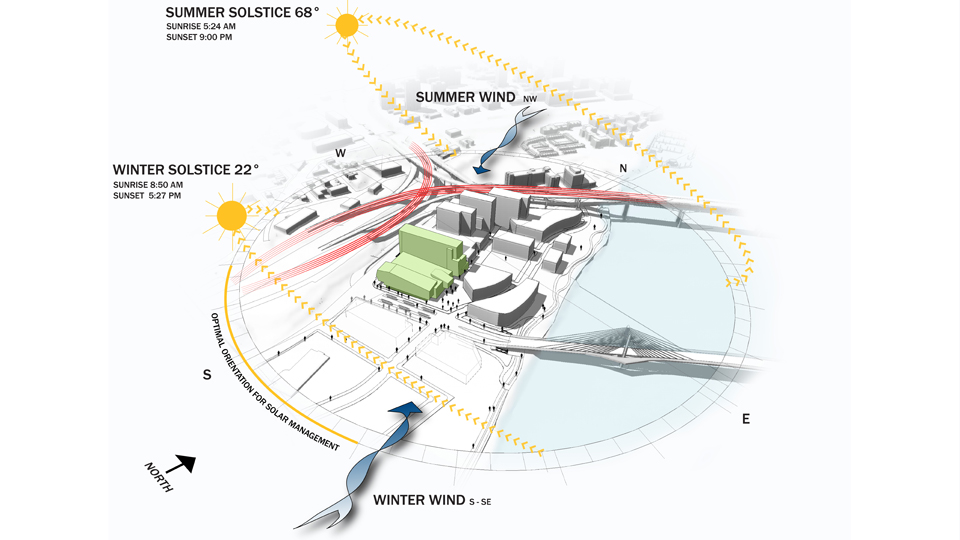
To realize the role of climate in shaping a climate responsive built form.
To understand the need and importance of ventilation, day lighting, shading devices in building design towards the approach of climate responsive built environment.
To familiarize on passive design strategies for architecture of different climatic zones.
- Teacher: ANITHA M
- Teacher: Catherine S
Category: SCHOOL OF BUILDING AND ENVIRONMENT