Search results: 1467
- Teacher: Ramesh Kumar NA
Category: ODD
- Teacher: Lokesh Kumar Boopathy .
- Teacher: Thiyagarajan Gopal .
This Value Added Course on Preclinical Animal Research provides knowledge on basic research and the ethics in handling Lab animals for Research.
- Teacher: Lokesh Kumar Boopathy .
- Teacher: Saravanan Durai .
- Teacher: Thiyagarajan Gopal .
Course Objectives:
The students should be able to
1. Acquire the knowledge of Electrical and Electronics engineering concepts.
2. Understand the construction and applications of Electrical and electronics components in various automotive electrical circuits.
3. Understand the construction and working of various automotive electrical systems and components.
4. Identify, demonstrate and compare the various components and systems of Auto
electrical systems.
Course Outcomes
CO1 : Enumerate the construction, characteristics and maintenance of battery, lighting system and different accessories in a typical automobile after careful inspection.
CO2 : Explain the construction, characteristics and maintenance of starting and ignition system and diagnose the ignition system fault of any vehicle.
CO3 : List out the principles and characteristics of charging system components and demonstrate their working with suitable tools.
CO4: Describe the principles and architecture of electronics systems and its components present in an automobile related to instrumentation, control, security and warning systems.
CO5: Enumerate the principles, application, construction and
specification of different sensors and actuators usable in typical
automobile by suitable testing.
- Teacher: Dr. Karthikeyan A
Category: ODD SEMESTER
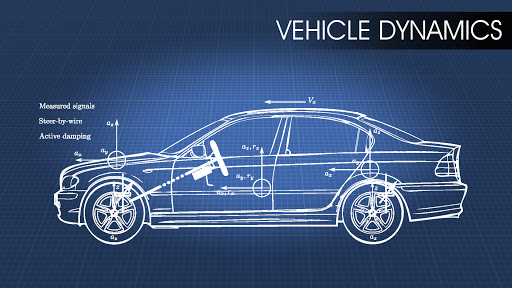
Vehicle Dynamics is the study of a vehicle behavior during motion which plays a vital role in finding out the right balance between driver feel, comfort and safety of passengers and and the wow factor which we all experience during driving.
Category: ODD SEMESTER
Automotive aerodynamics is the study of the aerodynamics of road vehicles. The main concerns of automotive aerodynamics are reducing drag, reducing wind noise, and preventing undesired lift forces at high speeds. For some classes of racing vehicles, it may also be important to produce desirable downwards aerodynamic forces to improve traction and thus cornering abilities.
Course Objective
- Defines the Vehicle Aerodynamics, through its coupling to energy efficiency, is important in the creation of a sustainable society.
- Understand the coupling between the fundamental theories of Fluid Dynamics and Vehicle Aerodynamic applications.
- Explain the criteria/conditions for achieving good Aerodynamic design of passenger- and commercial vehicles.
- Recognize the strengths and limitations of the different tools used to optimize and evaluate Aerodynamic performance.
- Be able to evaluate aerodynamic properties of a vehicle, by analyzing wind tunnel and CFD results, as well as suggest improvements to an existing design.
- Recognize implications of Aerodynamics on other vehicle attributes such as Thermal Management, Aeroacoustics, Contamination, and Climate Comfort.

Category: ODD SEMESTER
This course enable the students
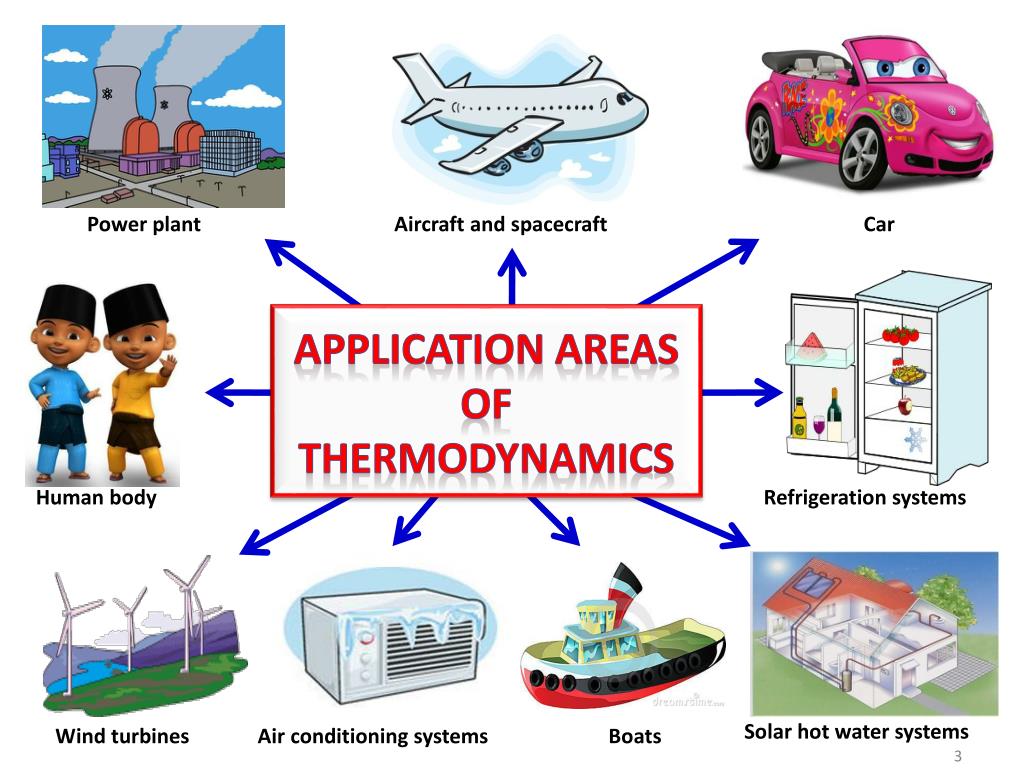
- To understand the basic concepts of thermodynamics
- To understand the air standard cycles and working principles of four stroke and two stroke engines
- To familiarize with the types of air compressors and their working principle
- To understand the working principles of refrigeration and air conditioning systems
- Teacher: Dr. Karthikeyan A
- Teacher: Dr. ANISH M
- Teacher: Bupesh Raja V.K
Category: ODD SEMESTER
COURSE OBJECTIVES
- To understand the refining process of petroleum.
- To develop understanding about various types of fuels, lubricants and their properties
- To understand the importance of Alternate fuels available.

- Teacher: JAYAPRABAKAR J
Category: ODD SEMESTER
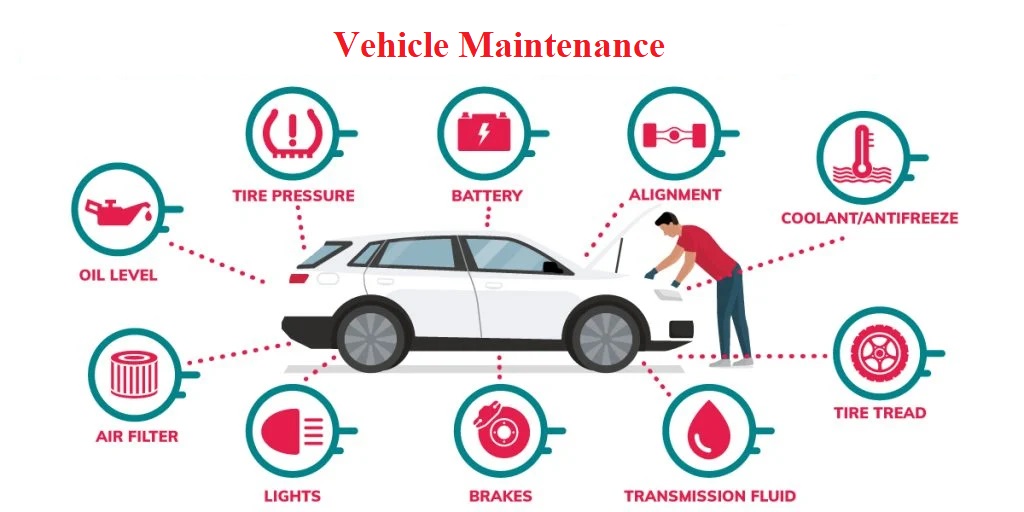
SAUA1702 VEHICLE MAINTENANCE
COURSE OBJECTIVES
To know about the various methods of maintaining vehicles and their subsystems.
To impart knowledge on engine maintenance – repair and overhauling.
To understand step by step procedure for maintain the various automotive sub systems.
UNIT 1 MAINTENANCE, WORKSHOP PRACTICES, SAFETY AND TOOLS 9 Hrs.
Maintenance – need, importance, primary and secondary functions, policies - classification of maintenance work - vehicle
insurance - basic problem diagnosis, automotive service procedures – workshop operations – workshop manual .safety –
personnel, machines and equipment, vehicles, fire safety - first aid, basic tools – special service tools – measuring
instruments – condition checking of seals, gaskets and sealants, scheduled maintenance unscheduled maintenance
services – service intervals - towing and recovering, reports, log sheets, trip sheets and other forms.
UNIT 2 ENGINE AND ENGINE SUBSYSTEM MAINTENANCE 9 Hrs.
General engine service- dismantling of engine components- engine repair- working on the underside, front, top, ancillariesservice
of basic engine parts, cooling and lubricating system, fuel system, intake and exhaust system, electrical system -
electronic fuel injection and engine management service - fault diagnosis- servicing emission controls.
UNIT 3 TRANSMISSION AND DRIVELINE MAINTENANCE 9 Hrs.
Clutch- general checks, adjustment and service- dismantling, identifying, checking and reassembling transmission,
transaxle- road testing- removing and replacing propeller shaft, servicing of cross and yoke joint and constant velocity jointsrear
axle service points removing axle shaft and bearings- servicing differential assemblies- fault diagnosis.
UNIT 4 STEERING, BRAKE, SUSPENSION, WHEEL MAINTENANCE 9 Hrs.
Inspection, maintenance and service of hydraulic brake, drum brake, disc brake, parking brake, bleeding of brakes.
inspection, maintenance and service of mc person strut, coil spring, leaf spring, shock absorbers, dismantling and assembly
procedures, wheel alignment and balance, removing and fitting of tyres, tyre wear and tyre rotation, inspection, maintenance
and service of steering linkage, steering column, rack and pinion steering, recirculating ball steering service-worm type
steering, power steering system.
UNIT 5 AUTO ELECTRICAL AND AIR CONDITIONING MAINTENANCE 9 Hrs.
Maintenance of batteries, starting system, charging system and body electrical -fault diagnosis using scan tools,
maintenance of air conditioning parts like compressor, condenser, expansion valve, evaporator - replacement of hoses- leak
detection- AC charging- fault diagnosis, vehicle body repair like panel beating, tinkering, soldering, polishing, painting.
Max. 45 Hrs.
COURSE OUTCOMES
On completion of the course, student will be able to
CO1 - Gain knowledge about vehicle operation and maintenance, service schedules etc.
CO2 - Apply the concepts of scheduling.
CO3 - Understand Maintenance of engine sub system and Repair
CO4 - Understand maintenance procedures like repairing, overhauling
CO5 - Describe the basic concepts of steering, brake, suspension and wheel maintenance.
CO6 - Analyze the testing methods for checking battery, starter motor, charging systems, ignitions system.
TEXT / REFERENCE BOOKS
1. Ed May, “Automotive Mechanics”, Volume 1 and 2, 8th edition, McGraw Hill Publications, 2009.
2. Vehicle Service Manuals of reputed manufacturers.
3. Bosch Automotive Handbook, Tenth Edition, 2017.
4. Automotive Mechanics W.H. crouse.2010.
5. James D Halderman, “Advanced Engine Performance Diagnosis” 6 edition, Pearson, 2015
END SEMESTER EXAMINATION QUESTION PAPER PATTERN
Max. Marks: 100 Exam Duration: 3 Hrs.
PART A: 10 questions of 2 marks each - No choice 20 Marks
PART B: 2 questions from each unit of internal choice; each carrying 16 marks 80 Marks
- Teacher: RAM PRAKASH S
- Teacher: VENKATESAN S P
Category: ODD SEMESTER
The main objective of this course is
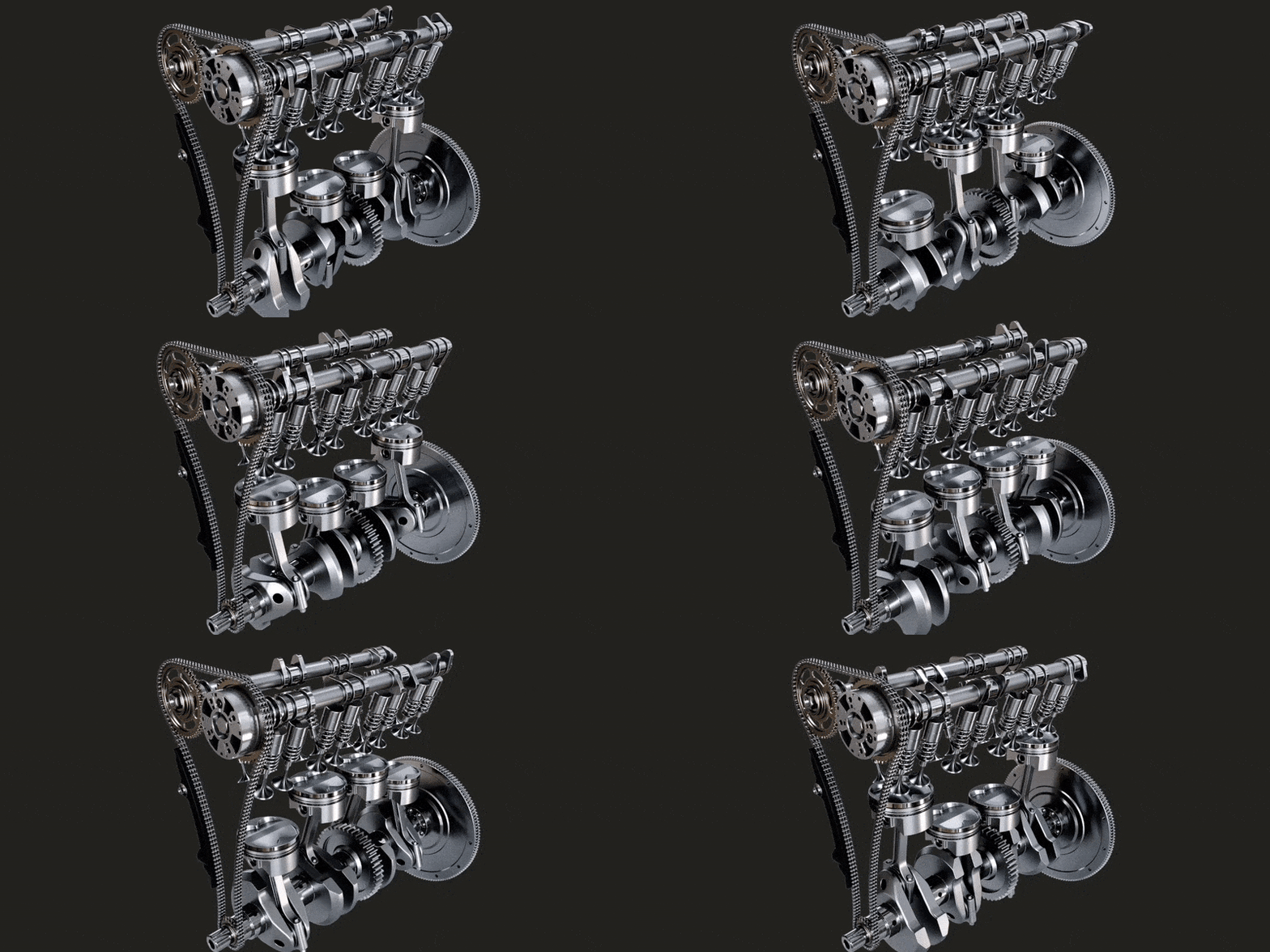
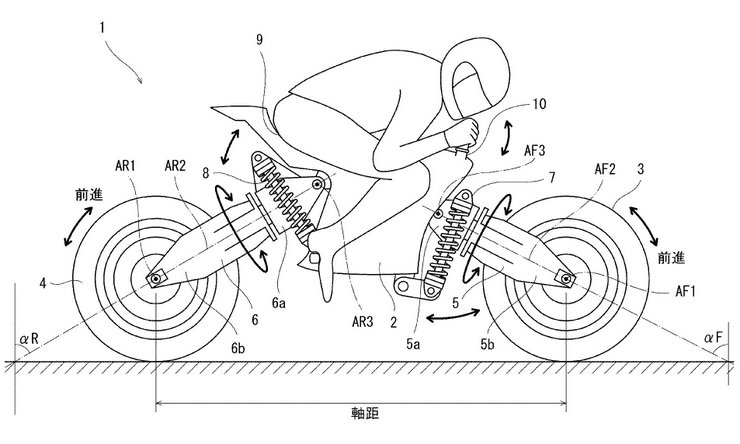
- To impart knowledge in automotive pollution control.
- The detailed concept of formation and control techniques of pollutants like UBHC, CO, NOx, particulate matter and smoke for both SI and CI engine
- The instruments for measurement of pollutants and emission standards will also be introduced to the students.
At the end of the course the students will have command over automotive pollution and control.

- Teacher: Dr. Karthikeyan A
- Teacher: HEMANANDH J
Category: EVEN SEMESTER
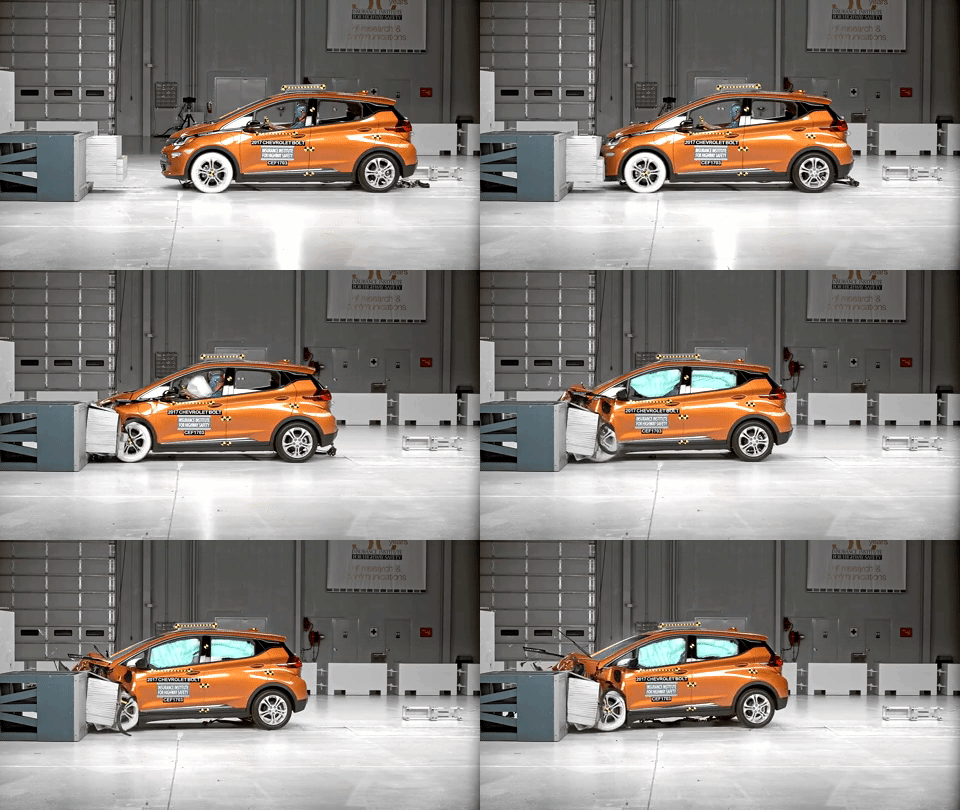
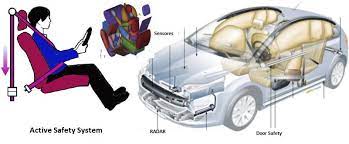
Automotive safety is the study and practice of design, construction, equipment and regulation to minimize the occurrence and consequences of traffic collisions involving motor vehicles. The course gives an introduction to safety and vehicle structural crashworthiness and crash testing, types of impacts, and impact with rebound, driver assistance systems in automobiles, concept of crumble zone,characteristics of vehicle structure, role of safety systems in automobiles, importance of ergonomics in automotive safety.
- Teacher: HEMANANDH J
Category: ODD SEMESTER
On completion of the course, student will be able to
CO1 - Understand the importance of vehicle safety and explain different vehicle collision and its effects.
CO2 - Explain different types of safety concept and understand the deformation behaviour of vehicle body during collision.
CO3 - Explain the operation of different safety equipment and understand various collision warning system.
CO4 - Understand vehicle ergonomics system and psychological factors in man machine system.
CO5 - Explain different types of mirror and their location and working principle of central locking system garage door opening system.
CO6 - Explain rain sensor system and environment information system
- Teacher: MANOJ E
- Teacher: Dr. Ashwin Jacob
Category: ODD SEMESTER
This Course is designed
1.To create an understanding on the basic concepts of Business Management.
2.To familiarize about the various forms of organization, need for industrial safety and the importance efficient plant layouts in business organizations.
3.To give exposure towards the importance of studying human behaviour at work place .
4.To extend students knowledge in the importance of leadership and communication and its impact on the performance of individuals.
5.To create awareness towards the basic ethics followed in business and corporate social responsibilities of business organizations.

- Teacher: JOHN BRITTO M
- Teacher: KALAI LAKSHMI TR
Category: ODD
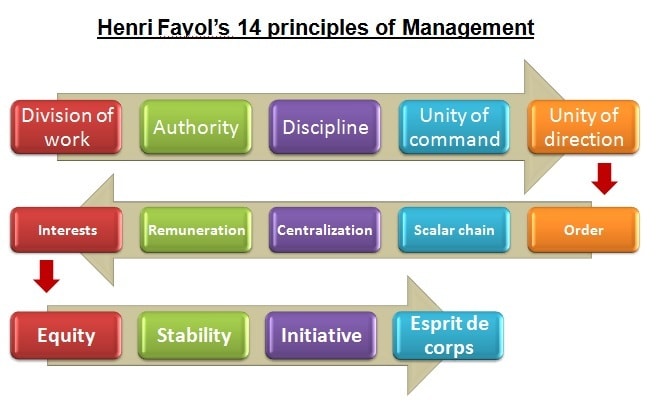
The objective of this course is to acquaint students with the terms, concepts, and points of view used in management and its historical evolution, ethics, social responsibility and environmental issues; provide students with a working knowledge of the skills and functions necessary to be an effective, efficient manager; provide an introduction to the theory and practice of managing organizations; examine the management functions (planning, organizing, leading or influencing, and controlling) and the impact of those functions on the business organization
- Teacher: SAKTHI PRABHA R
Category: EVEN SEMESTER
COURSE OUTCOMES
On completion of the course, student will be able to
- CO1 - Comprehend various management principles and practices followed in industries
- CO2 - Analyze the types of business organization, plant layout and its safety measures.
- CO3 - Develop appropriate behavior as an individual and as a team to excel in industries. CO4 - Develop expertise knowledge on the impact of Leadership Communication and Group dynamics in industry
- CO5 - Comprehend the basics of ethical behaviour and corporate social responsibility practiced in industries
- CO6 - Investigate business cases by applying the ethical guidelines in industrial real-life situations.

- Teacher: Sivagami P
Category: EVEN SEMESTER