
Search results: 1467
- Teacher: Kavi Prabha A
- Teacher: Hartiha S
Category: ODD SEMESTER
COURSE OBJECTIVE
The
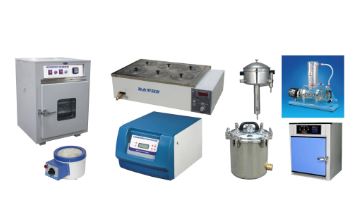
experiments provide hands-on experience in operating various analytic
instruments thereby developing skill in handling them which will be a
pre-requisite for research work
COURSE OUTCOMES
On completion of the course, the student will be able to
CO1 – Learning how to handle laboratory instrumentation for anti-microbial, anti-fungal studies
CO2 – Preparing necessary reagents and solvents for cell culture studies
CO3 – Separation of cells and cellular components through centrifugation techniques.
CO4 – Understanding the principles of various calorimetric types and its importance in various chemical reactions.
CO5 – Understand the absorbance and transmittance of light in solution by spectrophotometer.
CO6 – Learning how to separate macromolecules and nucleic acids by SDS and agarose electrophoresis techniques.
- Teacher: Inbathamizh L
Category: ODD SEMESTER
- Teacher: Jesia Persis Preethi
- Teacher: Jayashree S
Category: ODD SEMESTER
- Teacher: Arjita Ghosh
Category: BSC - Biotech
- Teacher: Dr. HARI RAJ K
Category: BSC - Biotech
- Teacher: INDUMATHI S M
Category: ODD SEMESTER
- Teacher: Jesia Persis Preethi
Category: EVEN SEMESTER
- Teacher: RoselinJenifer D
Category: EVEN SEMESTER
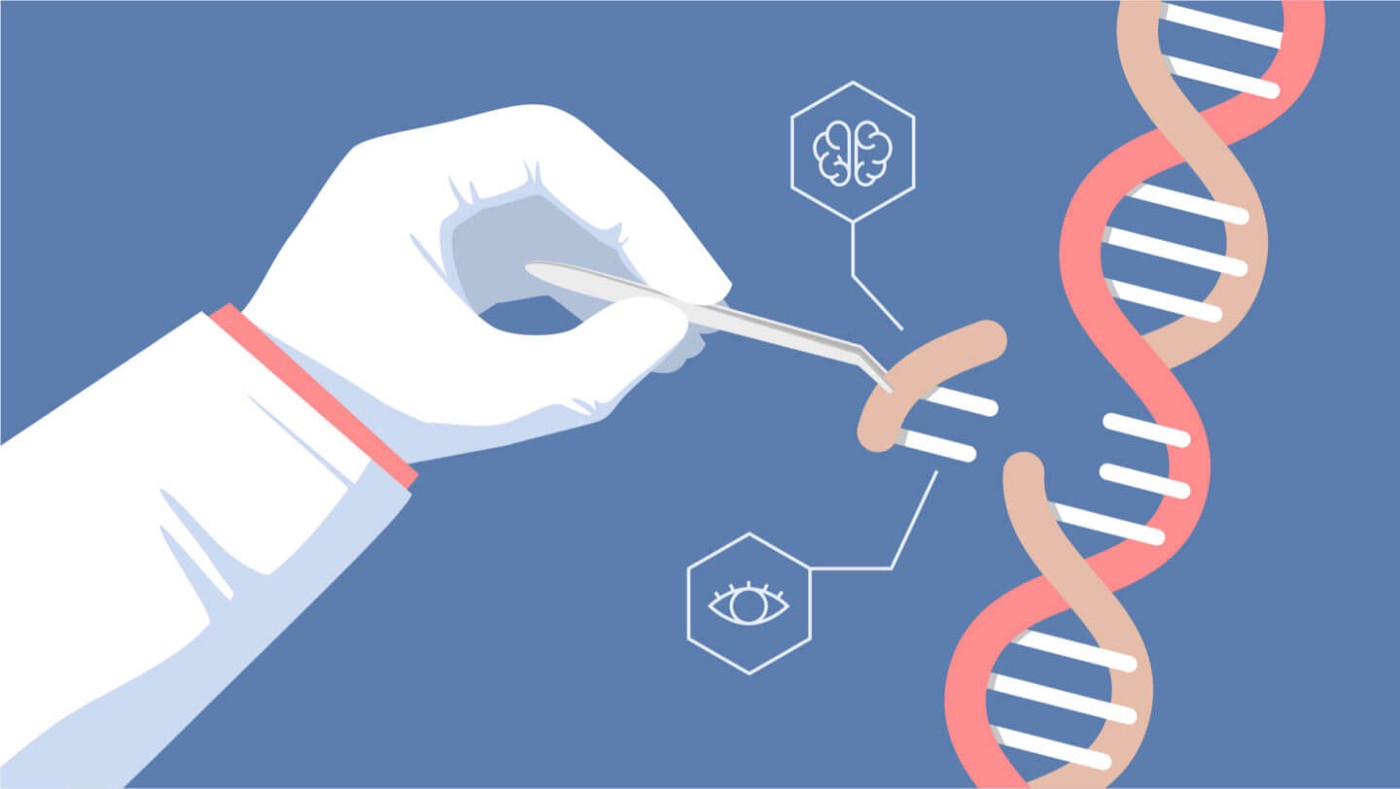
Genetic Engineering course explores the manipulation of DNA using various tools and methods for its diverse application in the field of industry, medicine, plant and animal Biotechnology.
- Teacher: KUNTHAVAI P.C.
Category: ODD SEMESTER
- Teacher: Jancy Mary E
- Teacher: Thyagarajan Rajendiran
Category: Semester 2
- Teacher: Theboral J
Category: ODD SEMESTER
- Teacher: Kavi Prabha A
- Teacher: Devi B
Category: ODD SEMESTER
- Teacher: Hartiha S
- Teacher: Prabhakar Singh
Category: ODD SEMESTER
|
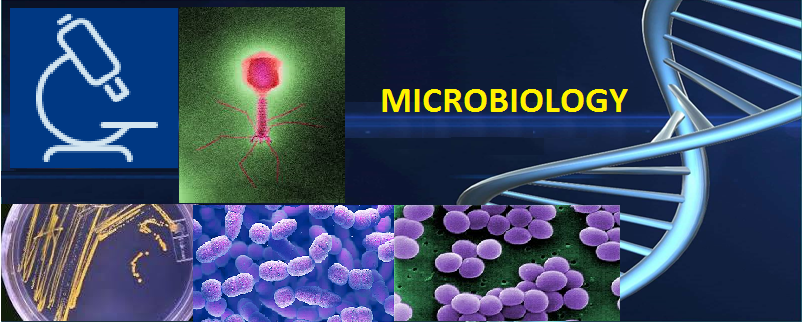
Course objectives This course is aimed give an understanding about the basics of microbiology dealing types of microbes, classification & characterization |
- Dr.S.Usha Nandhini: Usha Nandhini S
Category: Semester 4
|
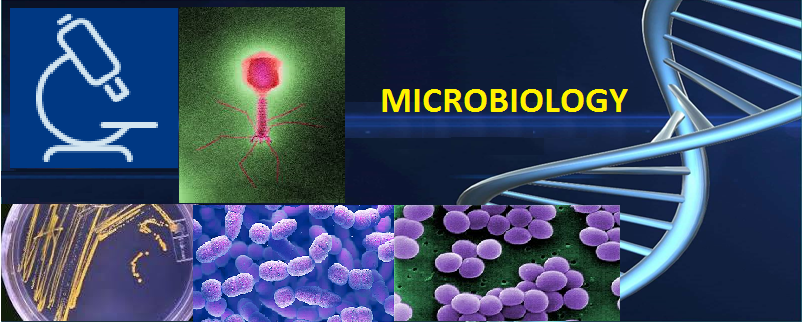
Course objectives This course is aimed give an understanding about the basics of microbiology dealing types of microbes, classification & characterization |
- Teacher: Jayashree S
Category: Semester 4
Students can get wide knowledge on Basic concepts of clinical Biochemistry in relation to basic Laboratory analysis of Hematology, Disorders of all metabolic reactions in the body, and a variety of Organ function laboratory tests and its methodologies advantages followed by Isoenzymes and their role discussed.
- Teacher: Bavani latha Muthiah
Category: ODD SEMESTER
COURSE OBJECTIVE
Developing of general understanding how physical laws govern biological processes.
Acquire basic knowledge about how physical methods can be applied to understand biological processesCOURSE
OUTCOMES On completion
of the course, student will be able to CO 1: Understand the fundamental principles and
thermodynamics that drive biomolecules. CO:2: Emphasize profound knowledge on cell
structure, function and dynamics of inter-intra cellular processes. CO 3:
Explore various basic and advanced sophisticated biochemical and biophysical
techniques for analyzing macromolecules CO 4: Comprehend clear understanding on various
cellular metabolic pathway mechanism and its applications in biological system. CO 5. The application of mathematical tools to
calculate thermodynamic. CO 6: The students familiar about the inorganic
halogen compounds, coordination compounds and transition elements.
- Teacher: Ramesh kumar V
Category: ODD SEMESTER
- Teacher: Theboral J
Category: EVEN SEMESTER
- Teacher: Thyagarajan Rajendiran
- Teacher: Ramesh kumar V
Category: Semester 6
COURSE OBJECTIVE
➢ To understand experimental enzyme techniques
with a problem-oriented approach.
SUGGESTED
LIST OF EXPERIMENTS - ENZYMOLOGY
1. Standard Maltose Curve
2. Isolation of Alpha/Beta Amylase
3. Determination of enzyme activity
4. Construction of Protein standard curve by Folin’s Lowry method and Determination of specific activity of enzyme.
5. Effect of substrate concentration on Enzyme kinetics and determination of Km and Vmax
6. Effect of temperature on Enzyme kinetics
7. Effect of enzyme concentration on Enzyme kinetics
8. Effect of pH on Enzyme kinetics
COURSE OUTCOMES
On completion of the course, the student will be able to
CO1 – to build a strong foundation on basic techniques in enzymatic reactions
CO2 – determine various parameters affecting an enzyme reaction
CO3 – breakdown the fundamentals of handling laboratory equipemnts and reagents
CO4 – apply the concepts of enzyme kinetics
CO5 – discuss the use of idenitifation of enzyme reactions
CO6 – recognize the kinetics behind a chemical reaction.
- Teacher: Inbathamizh L
Category: EVEN SEMESTER