
Search results: 1467
- Teacher: Krithiga T
Category: ODD
On successful completion of the course, student
will be able to
CO1- Understand the systematic identification of
mixtures containing two compounds
CO2- Separation and identification simple binary
mixtures having acidic, basic and neutral components by chemical methods
CO3- Preparation of
the identified compound derivatives
CO4- Recognize the
chemical reactions in identifying the chemical compounds
CO5- Identify the compounds containing one or more functional
groups
CO6
- Acquire the separation skills for binary
mixtures
- Teacher: K CHENNAKESAVULU
Category: EVEN SEMESTER
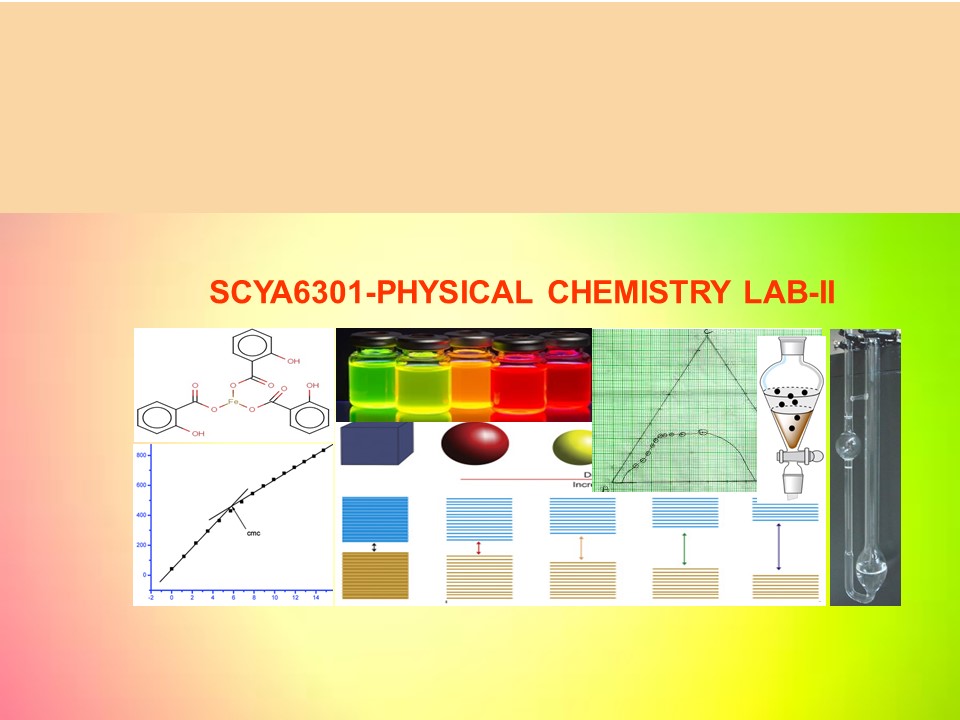
This practical course enables the students to understand the construction binary and ternary phase diagrams; to gain practical knowledge in the synthesis of nanomaterials; to know about the practical applications of uv-visible spectrophotometer; and to learn the use of Ostwald’s viscometer for molecular mass determination.
- Teacher: Krithiga T
Category: ODD
On completion of the course the student will be able to
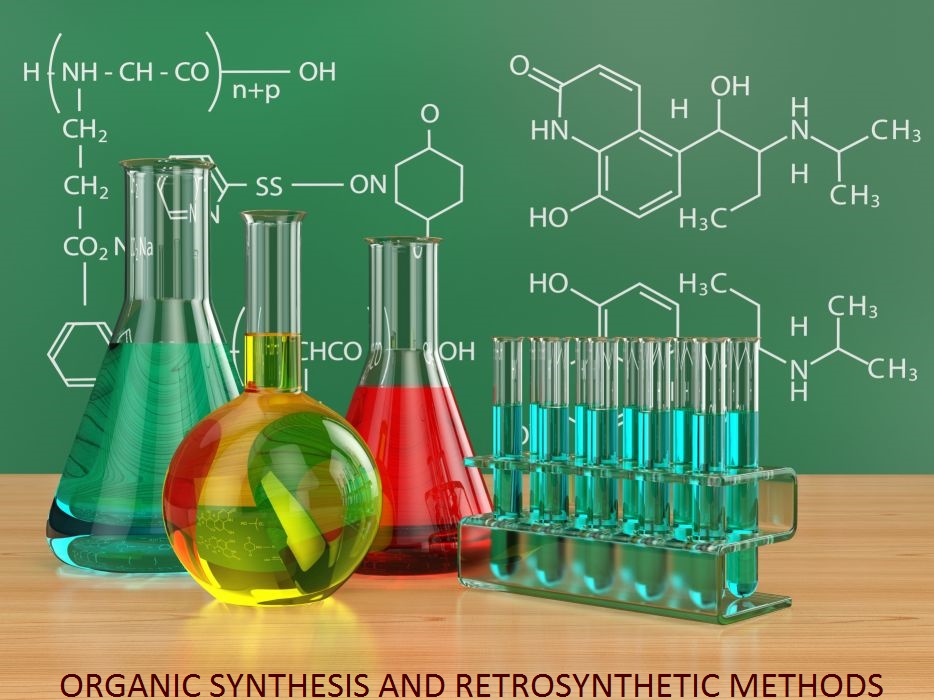
Elaborate on structural elucidation and chemical synthesis of alkaloids.
Discuss on structural determination and stereochemistry of terpenoids and carotenoids.
Explain on classification and properties of proteins and lipids.
Design the synthesis of proteins.
Analyze and compare the synthesis and properties of five, six and fused ring heterocyclic compounds.
Predict the structural activity of antibiotics and vitamins
- Teacher: Karthikeyan Jayabalan
Category: EVEN SEMESTER
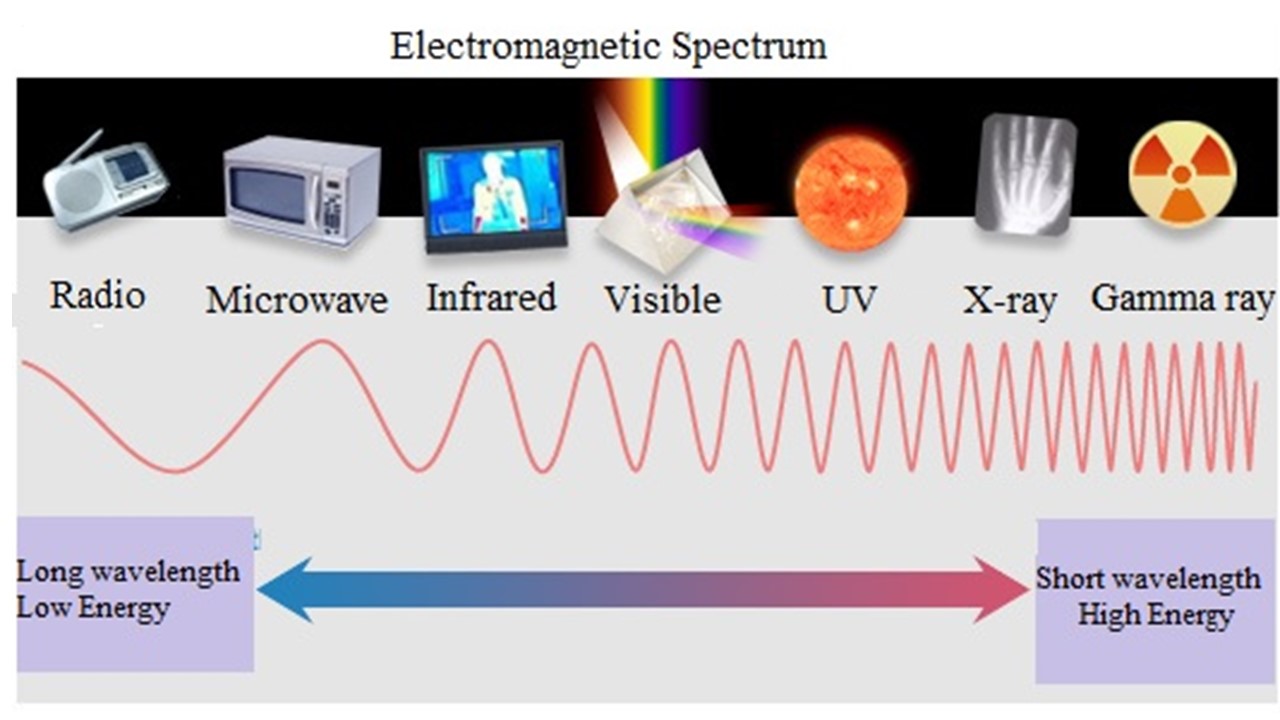
This course introduces the fundamentals of molecular spectroscopy and the principles of various spectroscopic methods such as UV-Vis, IR, NMR, ESR, Mossbauer and Mass spectrometry techniques. The key role of the course facilitate the learner to interpret the spectra of various spectroscopic methods and in elucidating the structure of compounds.
- Teacher: Krithiga T
Category: ODD
The course is intended for post graduate student s in chemistry to give an insight into the industrial aspects of designing the products. The students will be able to understand the significance of stereo, enantio, regio and chemo selective asymmetric synthesis in aldol formation, hydrogenation, hydroformylation reactions. At the end of the course, the student will be able to
1)Categorize and analyze the mechanism involved in basic organic reactions.
2) Propose and predict a strategic reaction pathway in synthesizing a stereo, regio, enantiomeric chiral product.
3)Choose and predict the organometallic reagents in organic reaction
- Teacher: Kavitha V
Category: School of Science and Humanities
- Teacher: Dr. Y. Sasikumar
Category: ODD
- Teacher: Jyoti Gahtori
Category: School of Science and Humanities
- Teacher: K CHENNAKESAVULU
Category: EVEN SEMESTER
- Teacher: Anand T
Category: EVEN SEMESTER
- Teacher: Shirley Auxilia L
Category: EVEN SEMESTER
- Teacher: Karthikeyan Jayabalan
- Teacher: Dr. Y. Sasikumar
Category: ODD
The students can enable to learn the principles
of separation and purification techniques and to understand the principles of various
chromatographic techniques. The techniques for separation of
metal ions using different chromatographic methods can be constructed. The students can develop the skill of learning by thermal methods and to discuss the basic principle of polarimetry
and amperometry methods.
Category: Semester 4
- Teacher: Sayantani Bhattacharya
- Teacher: K CHENNAKESAVULU
- Teacher: Surya CP
- Teacher: Jyoti Gahtori
- Teacher: Dr. S Gayathri
- Teacher: Karthikeyan Jayabalan
- Teacher: Anju K
- Teacher: Shirley Auxilia L
- Teacher: Amrita Pal
- Teacher: Sunitha S
- Teacher: Supriya S
- Teacher: Dr. Y. Sasikumar
- Teacher: Anand T
- Teacher: Krithiga T
- Teacher: Kavitha V
Category: ODD SEMESTER
- Teacher: Shirley Auxilia L
Category: ODD
- Teacher: Dr. S Gayathri
Category: ODD
The course is framed for undergraduate chemistry students to bridge the conceptual ideas in analytical chemistry with practical experiment for better understanding. The course will create a platform for the students to undergo hands-on training in preparing the solutions with safe handling of chemicals and glasswares. The course promotes analytical skills among the students in quantitative and qualitative analysis. At the end of the course, the students will be able to
Acquire analytical skills in handling equipments , glassware and chemicals.
Compile, Analyze and interpret the volumetric data for calculation with greater accuracy and precision.
Provides a preparative skills in the synthesis of inorganic complexes .
- Teacher: Karthikeyan Jayabalan
- Teacher: Sunitha S
- Teacher: Kavitha V
Category: ODD
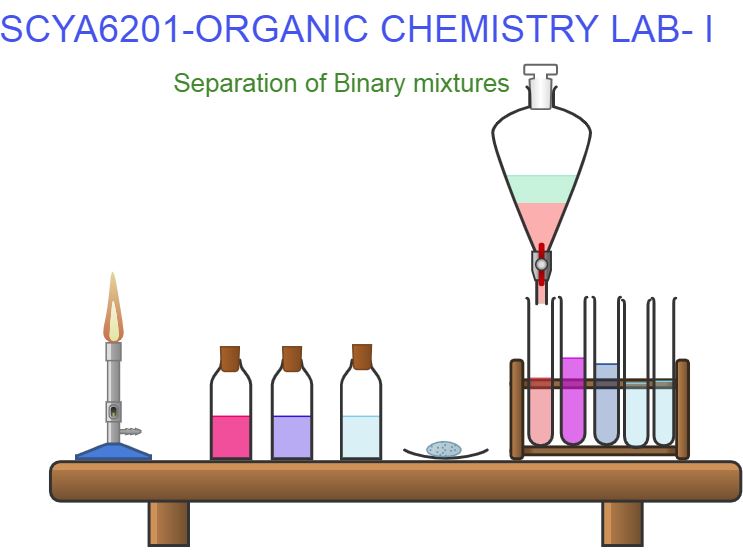
1 To enable the student to develop analytical skill in organic qualitative analysis
2. Systematic identification of compounds containing one functional groups like acidic, basic and neutral
3. Develop the skill in analyzing the special elements like N, Cl, Br, S present in the organic substances.
4. Discuss the aliphatic and aromatic nature of the organic substances.
5. Develop the derivatives of the functional group for a given organic substance.
- Teacher: Kavitha V
Category: EVEN SEMESTER
- Teacher: Karthikeyan Jayabalan
Category: ODD SEMESTER