Search results: 1467
To introduce basic concepts of various dynamics processes
To educate on the effect of various power sources and sensors.
To impart knowledge on the manipulators , grippers and robot dynamics
To introduce the evaluation criteria and tuning techniques of controllers
To introduce the concept of multi loop control techniques

- Teacher: Vedanarayanan V
Category: ODD SEMESTER

On completion of the course, student will be able to
CO1 - Understand the electronics in automobiles.
CO2 - Explain the electronics in Ignition systems, Injection systems, Engine, Chassis and Safety systems.
CO3 - Understand the working of sensors, actuators in automobiles.
CO4 - Apply the knowledge of electronics in automobiles.
CO5 - Develop electronics in automobiles.
CO6 - Design a electronic system in automobiles.
- Teacher: Dr. Karthikeyan A
Category: SCHOOL OF MECHANICAL
Business Economics integrated with Syllabus of CA Foundation - Business Economics and Business Commercial Knowledge
- Teacher: MUTHUVALAVAN R
Category: EVEN
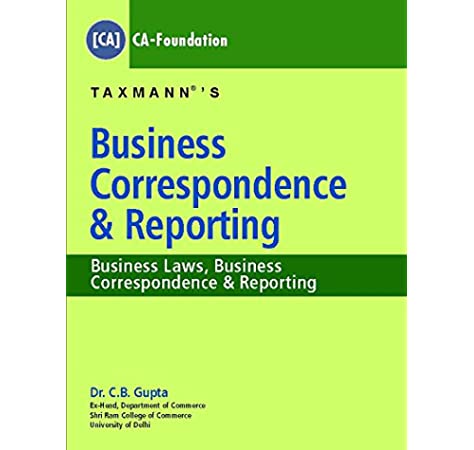
This subject is part of Business Law and Business Correspondence & Reporting in CA Foundation, which is for 30 marks.
It is about general communication skills, comprehension and Passage writing.
Students to read newspapers, articles, talk and practice this language as an art.
- Teacher: AKHILA R
Category: ODD

- Teacher: MUTHUVALAVAN R
Category: EVEN
Advanced Corporate Accounting Integrated with Syllabus of CA Intermediate Group Paper -5 Advanced Accounting
- Teacher: Murthy CMA
Category: EVEN
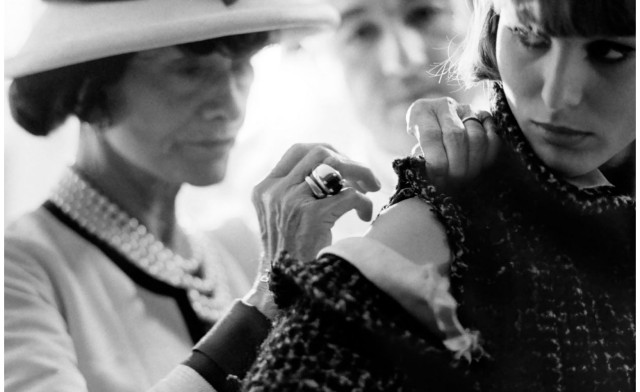
FASHION PSYCHOLOGY AND GROOMING
COURSE OBJECTIVES:
- To enable students to understand the trends in Clothing behavior
- Gain an insight into the planning process involved in Wardrobe Clothing selection.
UNIT I
Fashion flow chart - Fashion terminology - Cycle influences - Elements of fashion design - History of fashion. Introduction to Clothing, Understanding, and Purpose of clothing - Protection, Modesty, attraction. Social & Psychological aspects of fashion.
UNIT II
Clothing Values, Clothing Culture, Men and Women clothing and Ornamentation, Groups, Role & status of clothing. Clothing according to climatic conditions.
UNIT III
Selection of clothes, - Clothes for children, middle age, adults, types of clothes, according to human figure - Different material for different clothes - Color suitable for different garments.
UNIT IV
Modern Clothing-Youth style and fashion, Teddy boy, skins modes, hippies, punks, taste of youth and their life style. Ancient to modern clothing, minis maxis, unisex, fit women, glamorous woman. Casual and formal clothing. Fashion for all, ready to wear fashion, mass marketing of fashion.
UNIT V
Planning for clothing needs, Clothes for school, Clothes for parties, Clothes for sports, Clothes for resting Wardrobe Planning
COURSE OUTCOMES
On successful completion of the course, the students will able to
CO1: Understand terms involved in Fashion and Clothing .
CO2: Understand the selection of clothes for various age Groups .
CO3: Gain knowledge on Wardrobe Planning.
CO4: Planning for various clothing needs for different climatic conditions.
CO5: Know the Modern Clothing
TEXT/ REFERENCE BOOKS:
- ‘ A History of Fashion’ , Black A.J. (1985) , USA Orbits Publishing Ltd. Rouse E. (1989),
- ‘Understanding Fashion’,UK, Blackwell Science
- ‘The Dictionary of Costume’,Wilcox T. UK,- Bats ford Ltd.
- Fashion & color Mary Garthe, Rockport Publishers - Encyclopedia of fashion detail by Patric John, Ireland Batsford

- Teacher: SARANYA N
Category: ODD
- Teacher: Krithika S
Category: Semester 6
Researching the subject - Organizing matter - Structuring the report/presentation, Making Visual presentations
Presenting a Paper - Making a fully researched informative presentation - Official Correspondence- Letters- Memos- Emails - Notices- Public Announcements- Circulars.
Official Documentation - Agenda/Minutes of Meeting - Files and other Documents. Informative Communication – presentation skills - News Reports- Report Writing- Persuasive Communication - How to write Applications- letters- Articles persuasively- Meetings- Group Discussions- Interviews
The art of Negotiation and Persuasion- Writing a good CV/Resume- profile- Reviews (Film/Restaurant)- Articles- Creating Characters- Writing Stories- Exploring other forms- Writing for Print/Television/Films/Web- Role Play- Writing and Performing a Skit- Writing and Performing an Ad/Social Service Spot.
Final Presentation - complete presentation - with Performance.
COURSE OUTCOMES
On successful completion of the course, the students will be able to
CO 1: improve the skills in research techniques.
CO 2: Develop skills in Visual Presentations
CO 3. Develop the various Skills through Documentation and Negotiation.
CO 4: Understand the basics of communication and presentation

- Teacher: SARANYA N
Category: Semester 4
- Teacher: Priyadarshini R
Category: Semester 2
COURSE OBJECTIVES
· To understand the basic principles of research and learn various methods available for collecting and analyzing data.
- To develop the ability to understand design strategies and plan design activities for women’s wear.
- To understand the application of various tools to fashion forecasting in Indian markets
- To comprehend fashion forecasting as a tool to understand consumer behavior in the Indian scenario.
- Teacher: Priyadarshini R
Category: Semester 3
UPCYCLE FASHION
COURSE OBJECTIVES
ï To aim the hands-on foundation to reuse and recycle of various materials.
ï To generate the innovative ideas of new fashion products from Waste and alternatives to landfills, including reusing in creative ways.
ï To create self-awareness based on source reduction through efficient and effective usage of materials and energy.
LIST OF EXERCISES
Mind mapping, existing product research on reused and recycled materials in market, Designing, Product Making for
the followings:
1. Recycling of denim Products
2. Recycling of Saree
3. Recycling of Shirt
4. Recycling of T-Shirt
5. Recycling of Clothing fastenings
- Teacher: SOOSAI ANUGRAHA X
Category: Semester 5
FASHION STYLING AND PHOTOGRAPHY
COURSE OBJECTIVES
- To enable the students to identify areas of interest within the field of Fashion Styling and Image Design.
- To develop new fashion images through fashion photography to build new fashion trends.
- To develop the ability to create the complete look according to the theme, event, one’s personal style, ongoing trends, etc.
LIST OF EXERCISES:
- Introduction to styling, Understanding the dynamics of the Style look book, music, promos, advertising, e-commerce, digital video, and films.
- Photography Basics -Parts of a camera, Elements of photography, lighting, camera techniques, Depth of Field and Focus and framing.
- Styling for Men’s and Women’s Wear- Party Wear, Casual Wear, Sportswear, Formalwear.
- Preparation for The Shoot - Selection of location for an indoor/outdoor, Creation of a suitable ambiance/backdrop for the shoot, Sourcing, and coordination of clothes and accessories according to a theme/season, criteria and selection of model, Coordination of movement, mood, and image of model and apparel.
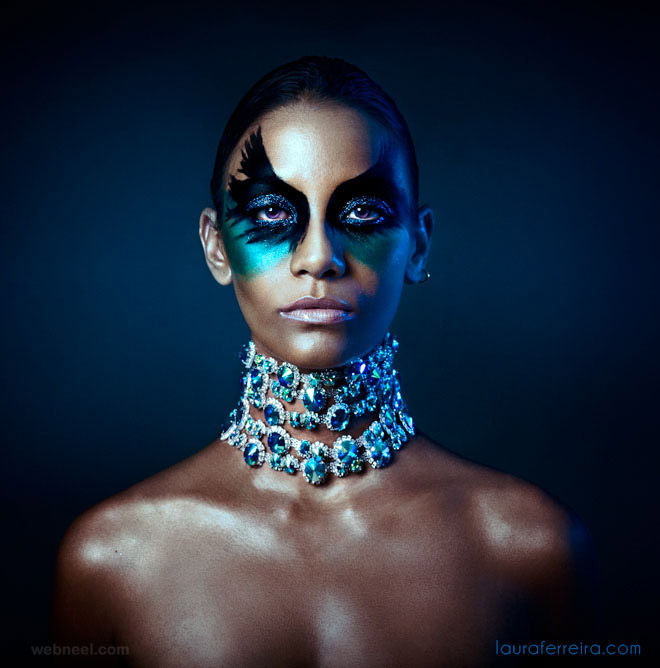
- Photo Shoot Styling for Men’s and Women’s Wear: Building effective wardrobes with balanced assortments using coordinated and mix-matched apparel Draping techniques using scarves and other apparel Accessorizing with jewelry, bags, belts, and other accessories. Accentuating attire using different techniques of make-up and hair-dos Styling for fashion shoots and fashion shows and its use in retailing
- Editorial -apparitional styling for magazines and designer’s look book and similar media in both printed and digital forms.
- Commercial -styling for advertisements, films, fashion shows, and other promotional platforms.
- Teacher: SARANYA N
Category: Semester 5
COURSE OBJECTIVES
- The design portfolio is the expression of the graduating student’s creativity design technical expertise and illustration and presentation skills. It is a body of work that is the culmination of all previous semesters’ learning and a visual expression of integrative learning.
- The students document all their presentable work done through all semesters and those that portray the student’s areas of interest.
- The portfolio can be an effective means of communicating the capacities and capabilities of the students to anyone who seeks their skills and talents
COMPONENTS OF PORTFOLIO:
1. Individual design philosophy that manifests itself in all design projects
2. Design Projects: Industry–oriented: The projects should exhibit a thorough understanding of industry segmentation e.g. buying a house- export house- corporate house- in the house design team of brands/boutiques- designer unit both couture and RTW- Self – generated briefs as an expression of the student’s individual design aesthetics. Each project must be specifically geared and suitably edited and presented to best demonstrate both the creative and commercial orientation of the student.
The ability to integrate multi-pronged learning of the previous semesters with special aptitude research- historical referencing of fashion/ costume- assessment of fabric suitability to justify sourcing/development of surface design techniques- extended/edited range plan- illustrations both hand – done and on computers along with flat working drawings and specification sheets would be essential attributes.
3. Demonstrated awareness and competence in the latest design-oriented computer software as required intensively by the industry
4. Suitable presentation techniques and graphics
5. Marketing and Visual Merchandising of designs through logo design- packaging etc.
6. Catalogues and advertisements for line promotion may also be made

- Teacher: SARANYA N
- Teacher: Priyadarshini R
Category: Semester 6