
Search results: 1466
This course will prepare the young pharmacy student to interact effectively with doctors,
nurses, dentists, physiotherapists and other health workers. At the end of this course the student
will get the soft skills set to work cohesively with the team as a team player and will add value to
the pharmaceutical business.
- Teacher: Sowmiya L.M.
Category: SCHOOL OF PHARMACY
This course will prepare the young pharmacy student to interact effectively with doctors,
nurses, dentists, physiotherapists and other health workers. At the end of this course the student
will get the soft skills set to work cohesively with the team as a team player and will add value to
the pharmaceutical business.
- Teacher: BHARATH KUMAR A.J.
Category: SCHOOL OF PHARMACY
COURSE OBJECTIVE
• The paper provides opportunities for students to read and respond to representations of current issues through texts that present themes and topics that are familiar, insightful and informative.
• In this paper students will have an opportunity to improve their vocabulary related to immediate environment, practice speaking skills by discussing about issues based on reading texts, read texts that include everyday problems that provide opportunities to develop problem solving skills in cooperative learning situations, develop writing skills through writing essay, substance of a poem, letters and composition of dialogues.
• To Provide an opportunity for the students to participate in debate on the topics related to Environmental issues and
Discrimination in Society.

Category: School of Science and Humanities
The paper provides opportunities for students to read and respond to representations of current issues through texts that present themes and topics that are familiar, insightful and informative.
• In this paper students will have an opportunity to improve their vocabulary related to immediate environment, practice speaking skills by discussing about issues based on reading texts, read texts that include everyday problems that provide opportunities to develop problem solving skills in cooperative learning situations, develop writing skills through writing essay, substance of a poem, letters and composition of dialogues.
• To Provide an opportunity for the students to participate in debate on the topics related to Environmental issues and
Discrimination in Society.
- Teacher: Senthil Kumar Sivamathiah
Category: ODD
Category: ODD SEMESTER
END SEMESTER MODEL
Category: ODD SEMESTER
- Teacher: Amrita Pal
Category: EVEN SEMESTER
- Teacher: Jemmy Christy H
Category: SCHOOL OF BIO AND CHEMICAL
COMPUTER AIDED ENGINE DESIGN LAB
SUGGESTED LIST OF EXPERIMENTS
1. Design and drawing of piston.
2. Piston pin and piston rings and drawing of these components.
3. Design of connecting rod small end and big end, shank design, design of big end cap, bolts and drawing
of the connecting rodassembly
4. Design of crankshaft, balancing weight calculations.
5. Development of short and long crank arms, front end and rear end details, drawing of the crankshaft
assembly.
6. Design and drawing of flywheel.
7. Ring gear design, drawing of the flywheel including the development of ring gear teeth.
8. Design and drawing of the inlet and exhaust valves.
9. Design of cam and camshaft, cam profile generation, drawing of cam and camshaft.
10. Design of combustion chamber.
COMPUTER AIDED CHASSIS DESIGN LAB
SUGGESTED LIST OF EXPERIMENTS
1. Design of heavy duty vehicle frame (Leyland, Tata etc.)
2. Design of light duty vehicle frame (Ambassador, Maruti van etc.)
3. Front bumper crashworthiness optimization.
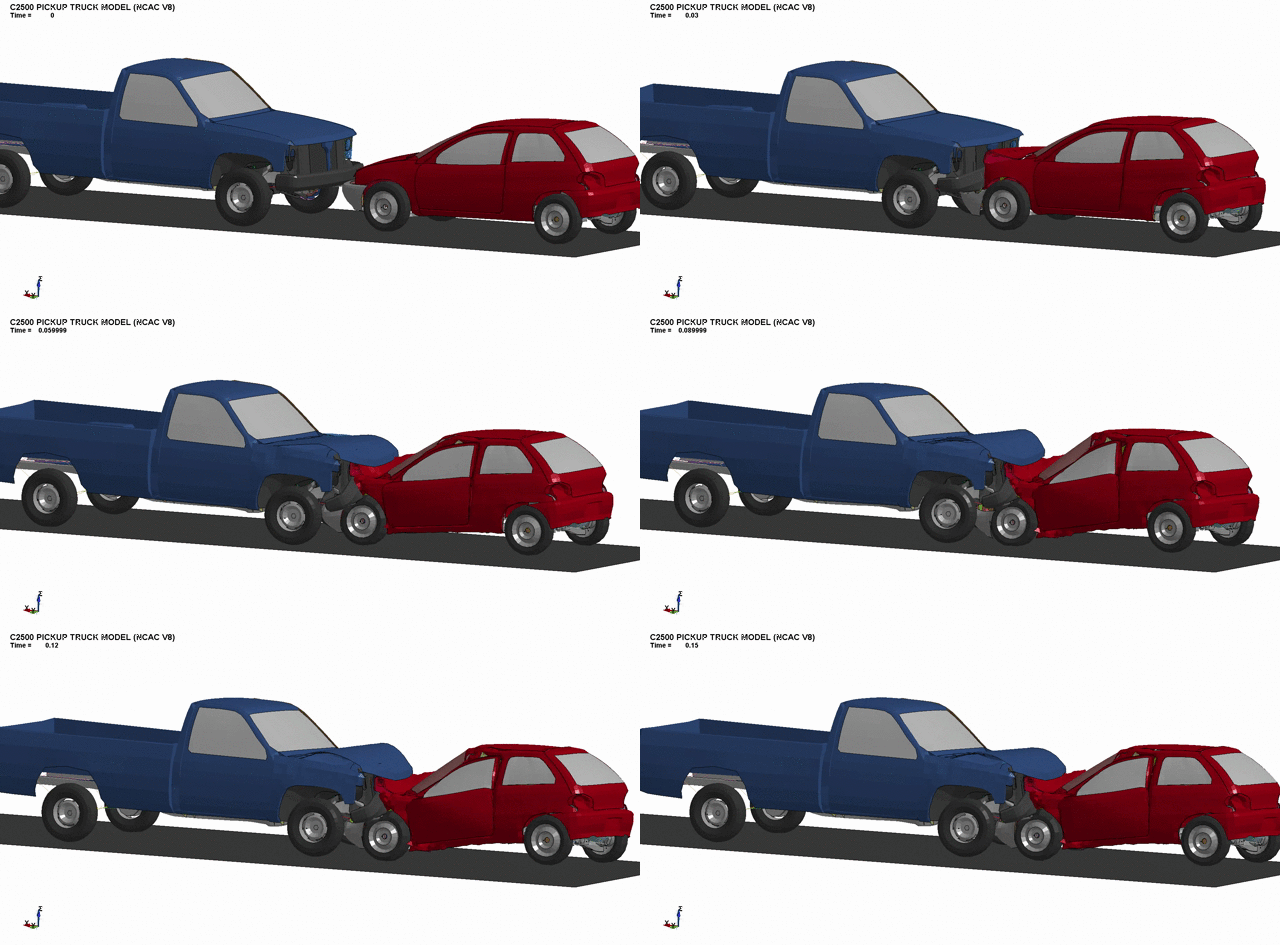
4. Simulation of full-scale passenger car impacts.
5. Design of front axle and rear axle
6. Automotive styling: sketching, modeling, surfacing and visualization.
7. Design of differential
8. Design of steering systems along with any two types of steering gear box
9. Design of braking systems – hydraulic servo vacuum, compressed air power brakes.
10. Design of leaf spring, coil spring, torsion bar spring, hydraulic shock absorber
11. Design of clutch assembly of different types
12. Design of gear Box
- Teacher: Sangeetha M
Category: EVEN SEMESTER
Course Outcome:
Upon successful completion of this course, students will be able to:
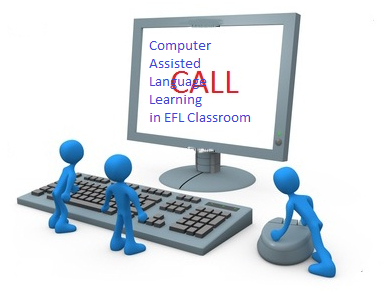
· Become familiar with a range of CALL applications.
· Understand how particular technologies can be used to support learning in different situations.
· Increase knowledge and confidence in using technology in teaching/learning.
· Become aware of the social and cultural aspects of CALL.
· Evaluate technologies and implementations.
Category: ODD
The studio will expose the students to various aspects of computer applications into Architectural Design and Construction. It will open up the horizons of technical advances and advantages of computational technologies through the use of computer modeling, rendering, and digital fabrication. Focus on the exploration of space and place-making through the use of computer modeling and design construction
Category: EVEN
Goal
To diagnose, prevent and treat carious and non-carious tooth defects, pulpal and periapical pathologies, while restoring normal tooth form, function and esthetics, where indicated.
Objectives
Knowledge
§ The graduate should acquire the following knowledge during the period of training.
§ To diagnose carious and non-carious lesions and treat with simple restorative work.
§ To gain knowledge about aesthetic restorative material and to translate the same to patient’s needs.
§ To gain the knowledge about endodontic treatment on the basis of scientific foundation.
§ To carry out simple endodontic treatment.
§ To diagnose and manage traumatic injuries and to provide emergency endodontic treatment.
Skills
The student should attain following skills necessary for practice of dentistry
§ To use medium and high speed hand pieces to carry out restorative work.
§ Possess the skills to use and familiarize endodontic instruments and materials needed for carrying out simple endodontic treatment.
§ To achieve the skills to translate patients esthetic needs along with function.
Attitudes
§ Maintain a high standard of professional ethics and conduct and apply these in all aspects of professional life.
§ Willingness to participate in CDE program to update the knowledge and professional skill from time to time.
§ To help and participate in the implementation of the national oral health policy.
§ Should be able to motivate the patient for proper dental treatment and at the same time propermaintenance of oral hygiene should be emphasized which will help to maintain the restorative work and prevent future damage.
Competencies
At the completion of the undergraduate training program the graduates shall be competent in the following:
§ Competent to diagnose all carious lesions.
§ Competent to perform Class I and Class II cavities and their restoration with amalgam
§ Restore class V and Class III cavities with glass ionomer cement
§ Able to diagnose and appropriately treat pulpally involved teeth (pulp capping procedures)
§ Able to perform RCT for anterior teeth
§ Competent to carry out small composite restorations
§ Understand the principles of aesthetic dental procedures

Category: SCHOOL OF DENTAL SCIENCES
Goal
To diagnose, prevent and treat carious and non-carious tooth defects, pulpal and periapical pathologies, while restoring normal tooth form, function and esthetics, where indicated.
Objectives
Knowledge
§ The graduate should acquire the following knowledge during the period of training.
§ To diagnose carious and non-carious lesions and treat with simple restorative work.
§ To gain knowledge about aesthetic restorative material and to translate the same to patient’s needs.
§ To gain the knowledge about endodontic treatment on the basis of scientific foundation.
§ To carry out simple endodontic treatment.
§ To diagnose and manage traumatic injuries and to provide emergency endodontic treatment.
Skills
The student should attain following skills necessary for practice of dentistry
§ To use medium and high speed hand pieces to carry out restorative work.
§ Possess the skills to use and familiarize endodontic instruments and materials needed for carrying out simple endodontic treatment.
§ To achieve the skills to translate patients esthetic needs along with function.
Attitudes
§ Maintain a high standard of professional ethics and conduct and apply these in all aspects of professional life.
§ Willingness to participate in CDE program to update the knowledge and professional skill from time to time.
§ To help and participate in the implementation of the national oral health policy.
§ Should be able to motivate the patient for proper dental treatment and at the same time propermaintenance of oral hygiene should be emphasized which will help to maintain the restorative work and prevent future damage.
Competencies
At the completion of the undergraduate training program the graduates shall be competent in the following:
§ Competent to diagnose all carious lesions.
§ Competent to perform Class I and Class II cavities and their restoration with amalgam
§ Restore class V and Class III cavities with glass ionomer cement
§ Able to diagnose and appropriately treat pulpally involved teeth (pulp capping procedures)
§ Able to perform RCT for anterior teeth
§ Competent to carry out small composite restorations
§ Understand the principles of aesthetic dental procedures

- Teacher: S Aravinthan
- Teacher: SATHYANARAYANAN K
- Teacher: Krithika Krithika
- Teacher: PRIYANKA L.S
- Teacher: Mirnalini Mirnalini
- Teacher: Megavarnan R
- Teacher: Dr.Murali Sivakumar
Category: SCHOOL OF DENTAL SCIENCES
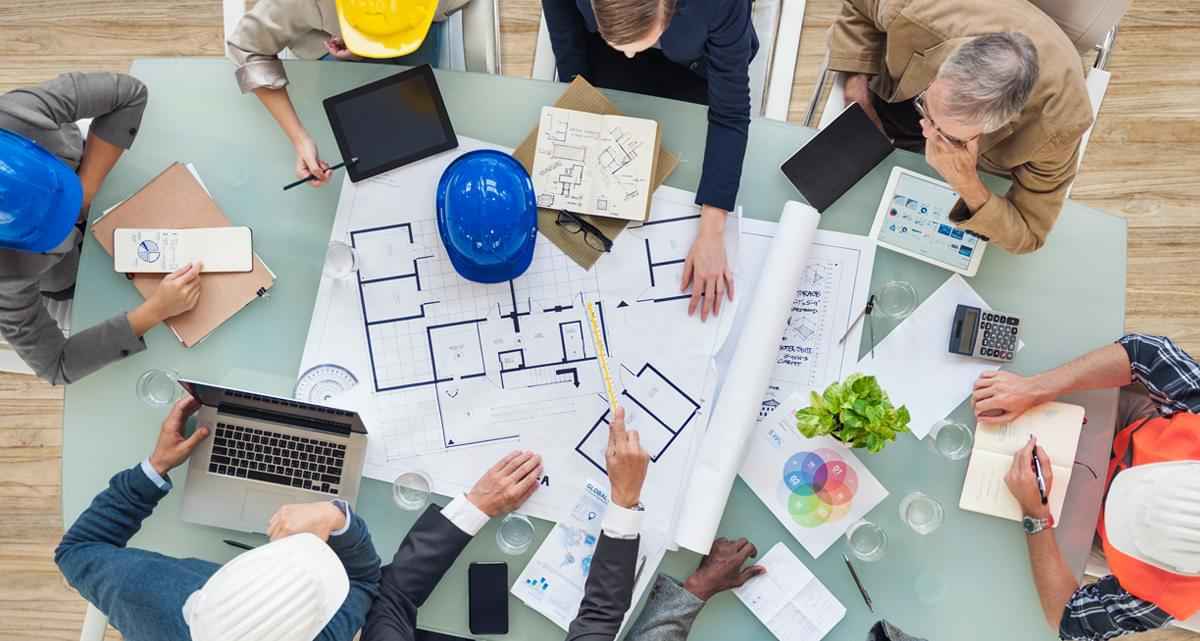
To introduce the principles, and techniques of construction management and its significance in construction management planning, scheduling and project costing. The study on management principles relating to Quality, Resource and Safety in construction of projects.

Category: ODD
COURSE OBJECTIVE
• To introduce the principles, and techniques of construction management and its significance in construction management planning, scheduling and project costing. The study on management principles relating to Quality, Resource and Safety in construction of projects.
• To introduce the principles, and techniques of construction management and its significance in construction management planning, scheduling and project costing. The study on management principles relating to Quality, Resource and Safety in construction of projects.
- Teacher: Surya Rajkumar
- Teacher: PRIYADHARSHINI S
Category: SCHOOL OF BUILDING AND ENVIRONMENT
The objective of the course is to introduce and disseminate the knowledge about project management and their
application during the pre- construction and construction phase of a large construction project life cycle. And also to provide the basic understanding about the various project management methodologies used in various phases
like initiation, feasibility, design phase, bid and award phases, construction and closeout phases of a project.

- Teacher: Ramesh Kumar NA
- Teacher: Surya Rajkumar
Category: ODD