
Search results: 406
COURSE OUTCOMES
On completion of the course, student will be able to
CO1 - Compare the amino acid sequence and structure of proteins relating this information to the function of proteinsCO2 - Analyze several techniques used for isolation and characterisation of proteins
CO3 - Appraise protein databases as a storehouse for the latest information in protein research
CO4 - Analyse the protein sequence for their structural properties
CO5 - Apply appropriate tools to predict the structure of proteins
CO6 - Appraise enzymes and different protein design strategies used to design completely new proteins tailored to specific tasks
Category: ODD SEMESTER
COURSE OUTCOMES
On completion of the course, student will be able to
CO1 - Compare the amino acid sequence and structure of proteins relating this information to the function of proteinsCO2 - Analyze several techniques used for isolation and characterisation of proteins
CO3 - Appraise protein databases as a storehouse for the latest information in protein research
CO4 - Analyse the protein sequence for their structural properties
CO5 - Apply appropriate tools to predict the structure of proteins
CO6 - Appraise enzymes and different protein design strategies used to design completely new proteins tailored to specific tasks
- Teacher: Inbathamizh L
- Teacher: Gracelydiaphoebe M
Category: SCHOOL OF COMPUTING
To give students a broad and challenging experience that will formulate their thought process by in-depth investigation, analysis and critical review of relevant materials.
To enable their understanding, cognitive and communicative skills, critic the existing practices in Sustainable Architecture based on the current practices, new trends and technologies.
To provide students an opportunity to cultivate specialization in the areas of their own interest and undertake academic research or develop specific sustainable design independently
Dissertation work includes processes such as: Research area identification; hypothesis of research topic; literature sourcing and search; aim and objective definition; formulation of methodology; field study planning; survey data collection, analysis and result presentation; literature study; conceptual an empirical :compilation and inference drawing; research study validation through case studies, field application and simulation models; discussion of research findings; study conclusion and recommendation formulations.
- Teacher: Catherine S
Category: ODD
COURSE OBJECTIVES:
To channelize the knowledge constructed on ‘sustainable principles in architecture’ and successful integration in the identified typology
The project provides students an opportunity for academic research to cultivate specialization in the areas of their own interest under the overall guidance of the faculty.
The objective of the seminar work is to train the students to prepare state of art report by assimilation of concepts / ideas on a chosen topic in the area of Sustainable Architecture.
- Teacher: Kavitha S
Category: Semester 4
COURSE OBJECTIVES:
To undergo professional training in a firm to get experience of handling various environmental design practice, Sustainable developments and learn latest software trending in the market.
To utilize the forum to discuss key issues in the projects, keep track of the different sustainable approaches, communicate with the stakeholders and get an overall view of the contract administration.
The final project report will comprise of an in-depth research and analysis of activities in the form of drawings & relevant details, schematic charts & reports, photographs, documentation of the project, comments, suggestions, etc to appraise the efficiency in progress of work.
Category: EVEN
To undergo professional training in a firm to get experience of handling various environmental design practice,
Sustainable developments and learn latest software trending in the market.
➢ To utilize the forum to discuss key issues in the projects, keep track of the different sustainable approaches,
communicate with the stakeholders and get an overall view of the contract administration.
➢ The final project report will comprise of an in-depth research and analysis of activities in the form of drawings & relevant
details, schematic charts & reports, photographs, documentation of the project, comments, suggestions, etc to
appraise the efficiency in progress of work.

- Teacher: Catherine S
Category: ODD
Course Objectives
This course will enable the students to –
- Know the factors affecting the nutrient needs during different stages of life cycle & the RDA for various age groups.
- Gain knowledge of dietary modification for weight management.
Course Outcomes
On completion the student will be able to
- Develop a philosophy of why meal preparation and consumption at the family table is an important component in development and stability of families.
- Plan attractive meals with consideration for nutritional adequacy, income level, social, cultural, psychological, palatability, and aesthetic factors.
- Employ sanitation standards and safety procedures in food handling and in the use and care of kitchen utensils, equipment, and food storage.
- Demonstrate an understanding of factors affecting food habits, meal consumption patterns, and trends in food cost.
- Utilize managerial skills and available resources in food purchasing, and meal planning, preparation, and service
- Differentiate the meal menu between different age groups

- Teacher: KANYA S
Category: Allied Health Sciences
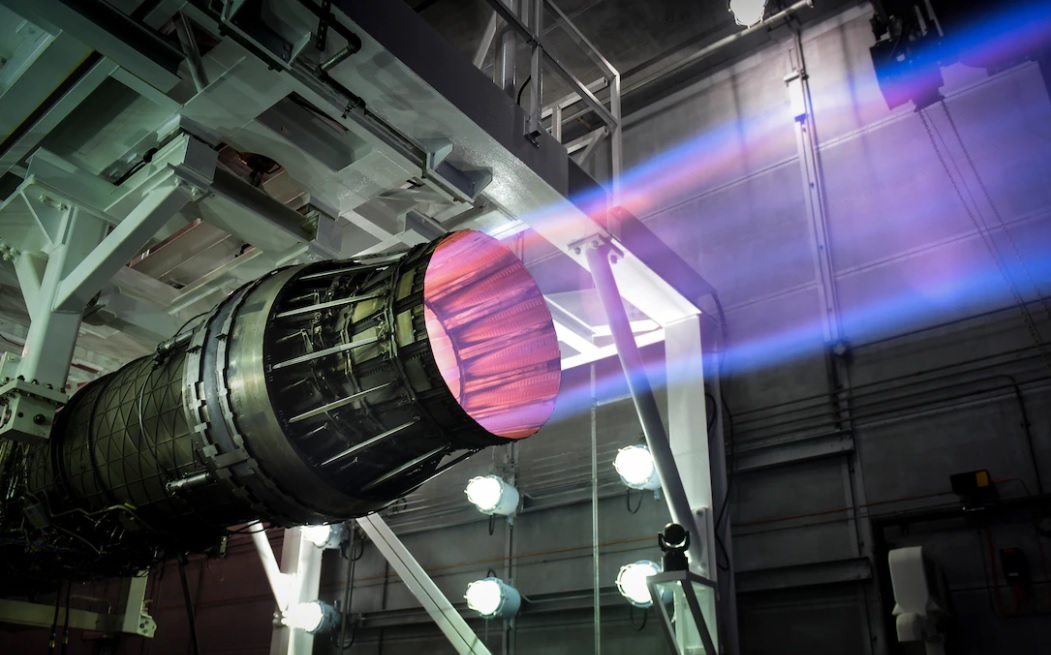
Aerospace Propulsion comprehensively covers the mechanics and thermal-fluid aspects of aerospace propulsion, starting from the fundamental principles, and covering applications to gas-turbine and space propulsion (rocket) systems
Category: EVEN SEMESTER
COURSE OBJECTIVE
To know about the airport planning, airport design and air traffic control
UNIT 1 INTRODUCTION 10 Hrs.
Significance of Air Transport -Economic Significance - - History Of Aviation - Air Transportation In India – Indian Airlines Corporation - Air India - International Corporation - International – Airport Authority Of India - (IAAI) – Civil Aviation – Open Sky Policy – Airport Terminology - Component Parts Of Airplane – Characteristics Of The Jet Aircraft – Civil And Military Aircrafts Classification Of Aerodromes . Classification Of Airports – Flying Activities - Aircraft Characteristics - Dimensional Standards - Landing Gear Configurations - Aircraft Weight - Engine Types - Wind Speed And Direction - Payload And Range -Runway Performance - Air Traffic Management - Flight Service Stations - Airspace Classifications And Airways - Area Navigation - Air Traffic Separation Rules - Longitudinal Separation - Lateral Separation In The Airspace - Navigational Aids - Ground-Based Systems
UNIT 2 AIRPORT PLANNING 10 Hrs.
The Airport System Plan - Master Plan - Project Plan - Continuing Planning Process - Levels Of Forecasting - Forecasting Methods - Time Series Method - Market Share Method - Econometric Modeling - Airport Design Standards – ICAO Standards - FAA Standards - Airport – Surveys –types Of Surveys - drawings - Capacity – Improving –Traffic Forecast – Planning – Airport Site Selection – Different Conditions - Zoning Laws – Airport Architecture - Environmental- Factors - Runway Orientation - Head Wind, - Cross Wind - Component- Wind rose – Runway Length – Corrections - Geometric Design Of Runways - Balanced Field - Concept - Airport Capacity – Runway – Patterns- Runway Types - Geometric Design Of Runway Intersection – Layout Of Taxiways Arrangement, Geometric Standards For Taxiway - Gradient - Exit Taxiways Air Traffic Control – Angle Of Turn, Compound Curve - Occupancy Time – Shape Of Taxiway – Loading Aprons – Holding Aprons - Configuration - Entry Runway - Holding Bays - Location – Peak Demands – Simple Problems - Capacity And Delay - Formulation Of Runway Capacity Through - Formulation Of Ultimate Capacity - Hourly Capacity -Parameters Required For Runway Capacity - Computation Of Delay On Runway Systems -Graphical Methods For Approximating - Simulation Models - Gate Capacity - Analytical Models For Gate Capacity.
UNIT 3 TERMINAL AREA DESIGN 9 Hrs.
Terminal Building Design Objectives – Passenger Flow – Parking – Size Of Apron – Hangars - Jet Blast – Typical Airport Layouts-Military Layouts – Types Of Pavements – Design Factors – Design Of Flexible, Rigid Pavements – LCN Method – Pavement failures – Maintenance ,Evaluation Of Airport Pavements – The CBR test - The Plate Bearing Test - Young’s Modulus (E Value) - Effect Of Frost On Soil Strength -Subgrade Stabilization - FAA Pavement Design Methods –Aircrafts-Pavement Classification – Joints In Cement Concrete Pavements - Pumping – Design –Pavements – Drainage – Importance Of Grading –Basic Requirements Of Airport Drainage- Surface Drainage – Design Procedure – Subsurface Drainage – Types Of Pipes
UNIT 4 AIRPORT LIGHTING, MARKING, AND SIGNAGE 8 Hrs.
The Requirements For Visual Aids - The Airport Beacon - The Aircraft Landing Operation - Alignment Guidance - Height Information - Approach Lighting -Visual Approach Slope Aids - Visual Approach Slope Indicator Precision Approach Path - Threshold Lighting - Runway Lighting - Runway Edge Lights - Runway Centerline And Touchdown Zone Lights - Runway Stop Bar - Runways - Runway Designators -Runway Threshold Markings – Different Types Of Markings - Taxiway Guidance Sign System - Signing Conventions - Sign Operation
UNIT 5 AIR TRAFFIC CONTROL 8 Hrs.
Importance – Air Traffic Control – Flight Rules - Meaning,- Responsibility – Type Of Control – Air Traffic Control Network –Control - Towers – Flight Service Stations - Air Traffic Control Aids –– GPS Air Traffic Control-Free Flight Types - Heliports- Stolports – Planning Of Heliport Ports – Characteristics of Stolports- Planning of StolPorts
Max. 45 Hours TEXT / REFERENCE BOOKS
1. Airport Engineering ,Rangwala , Charotar Publishing House Pvt. Ltd . Anand 388 001 India , 14th Edition ,2014
2. Planning And Design Of Airports, Fifth Edition Robert Horonjeff, Francis Mckelvey, William Sproule, Seth Young ,McGraw Hill Pvt Ltd, New Delhi, 2013
3. Airport Engineering: Planning, Design And Development Of Development Of 21st Century Airports, Norman J. Ashford, Saleh
4. Mumayiz, Paul H. Wright - 2011 - - 4th Edition,
5. Airport Planning &Design ,S. K. Khanna, M. G. Arora , NemChand Publishers ,New Delhi ,1999
6. Airport Engineering: Planning And Design ,Subhash Chandra Saxena , Alkem Company (S) Pte Limited, 2009.
- Teacher: Madhan Kumar G
Category: ODD SEMESTER
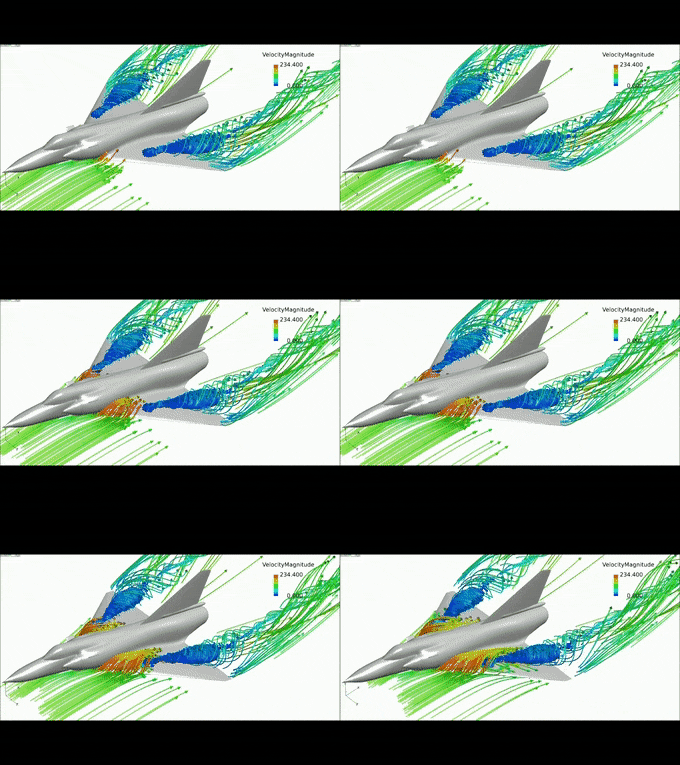
Aerodynamics is the study of forces and the resulting motion of objects through the air. Because aerodynamics involves both the motion of the object and the reaction of the air, there are several pages devoted to basic gas properties and how those properties change through the atmosphere.
Category: ODD SEMESTER
This subject deals with solid mechanics and its behaviors at different conditions . it is related to aircraft structures

- Teacher: Dr. ANAND T
Category: ODD SEMESTER
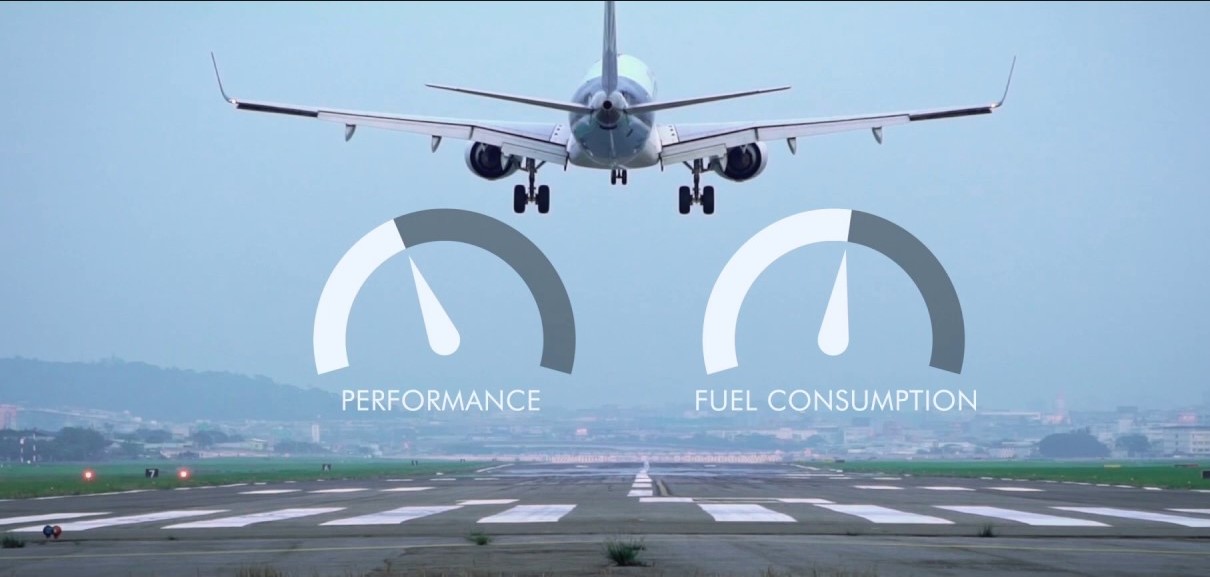
UNIT 1 PREREQUSITES TO EVALUATE AIRCRAFT PERFORMANCE 9 Hrs. Properties of earth’s atmosphere and standard atmosphere, Forces and moments acting on a flight vehicle - Equation of motion of a rigid flight vehicle- Different types of drag – estimation of parasite drag co-efficient by proper area method- Drag polar of vehicles from low speed to high speeds.
UNIT 2 ENGINE CHARACTERISTICS 9 Hrs. Variation of thrust, power with velocity and altitudes for air breathing engines – specific fuel consumption of piston engine and jet engine – ideal efficiency of engines- power plants for flight vehicles – limitations of power plants with Mach number and altitude.
UNIT 3 EVALUATION OF UN - ACCELERATED FLIGHT PERFORMANCE 9 Hrs. Airplane performance in steady level flight - Power available and power required curves. Maximum speed in level flight - Conditions for minimum drag and power required - steady climb descent and glide performance. Climb and Glide Hodograph, Range and Endurance. .
UNIT 4 ACCELERATED AND MANOEUVERING FLIGHT PERFORMANCE 9 Hrs. Accelerated level flight - Climbing and gliding flight, Maximum rate of climb and steepest angle of climb, minimum rate of sink and shallowest angle of glide –Take off – Landing-Turning performance. Bank angle and load factor – limitations on turn - V-n diagram.
UNIT 5 FLIGHT TESTING METHODS TO EVALUATE PERFORMANCE 9 Hrs. Flight - testing: Altitude definitions, Speed definitions, Air speed, altitude and temperature measurements. Errors and calibration. Measurement of engine power, charts and corrections. Flight determination of drag polar. Max. 45 Hrs.
COURSE OUTCOMES
On completion of the course, student will be able to
CO1 - Understand the need for ISA.
CO2 - Analyze the flight performance with variations of pressure and density with altitude.
CO3 - Estimation of total drag and drag polar that influence the performance.
CO4 - Analyze the performance in un-accelerated flight conditions.
CO5 - Determination of speed limit, load limit, landing and takeoff distances of the aircraft.
CO6 - Know different testing methods to evaluate aircraft performanc
- Teacher: KEVIN BENNETT S
- Teacher: Dr. ANAND T
Category: ODD SEMESTER
COURSE OBJECTIVES
To introduce the concepts of applying Aero thermodynamics to non air breathing propulsion.
To familiarize the student's ability to analyze the concepts of Advance Propulsion.
To understand the basics of Solid Propellant, Liquid Propellant and Cryogenics.
To understand the basics of Micro propellants.
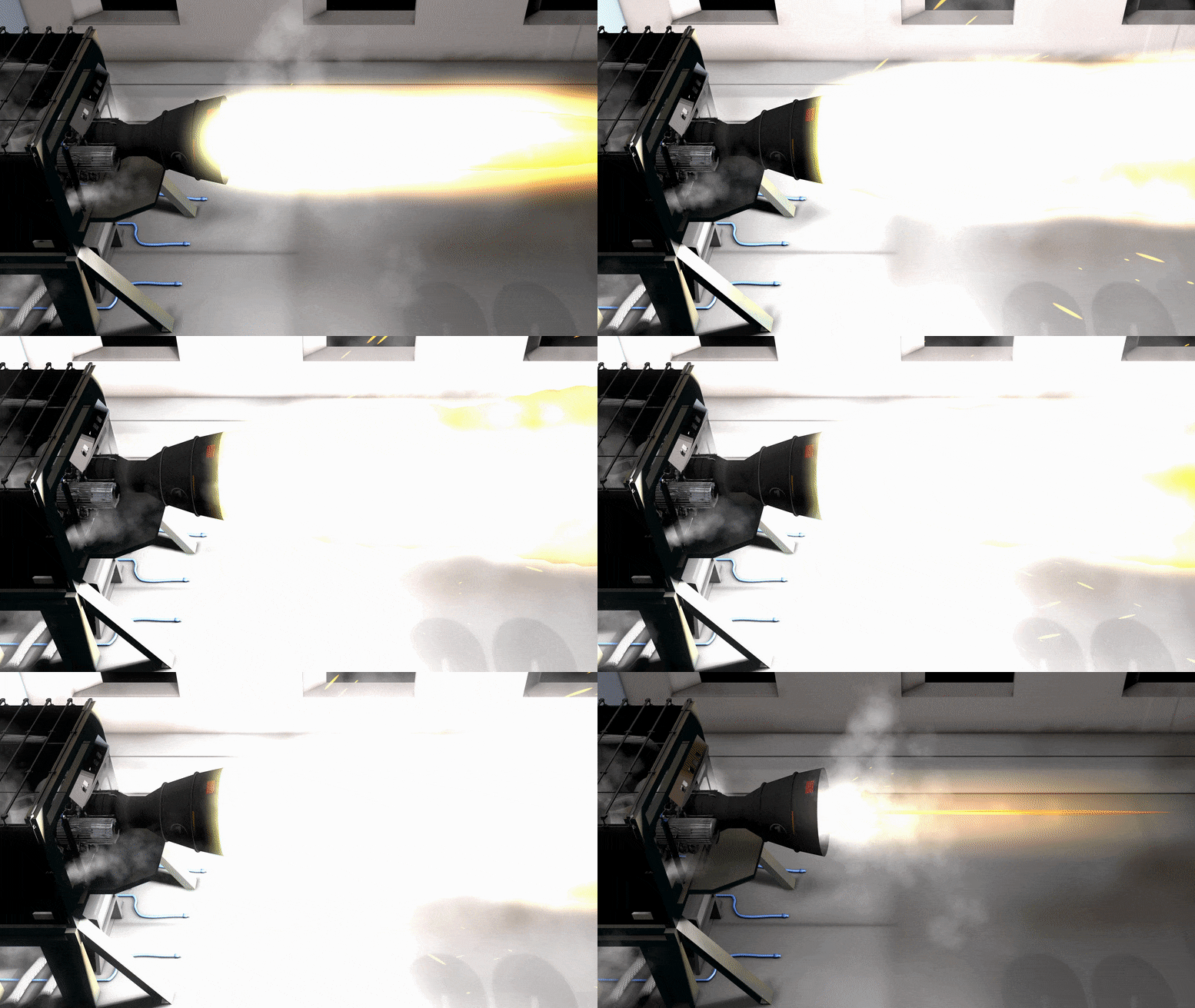
UNIT 1 FUNDAMENTALS OF ROCKET PROPULSION 9 Hrs.
History and evolution of rockets - Rocket principle and Rocket equation - Classification of rockets - Mass ratio of rocket- Rocket Nozzles - Classifications - Nozzle Performance - Nozzle area ratio - Mass flow rate Characteristic velocity - Thrust coefficient-Performance parameters and Efficiencies of rocket - Staging and Clustering.
UNIT 2 SOLID PROPELLANT ROCKET 9 Hrs.
Hardware components and its functions - Mechanism of burning - Ignition system and igniter types- Propellant grain configuration and its applications - Burn rate - Factors influencing burn rates-Burn rate index for stable operation - Action time and burn time - Design of Solid Propellant rocket.
UNIT 3 LIQUID AND CROGENIC PROPELLANT ROCKET 9 Hrs.
Classifications - Hardware components and its functions-Propellant feed systems and Turbo pump feed system - Injectors and types - Thrust chamber and its cooling-Cryogenic propulsion system, Special features of cryogenic systems. Thermophysical Properties of Cryogenic Propellants; Geysering Phenomenon.
UNIT 4 ADVANCE PROPULSION TECHNIQUES 9 Hrs.
Hybrid propellant rocket and gelled propellants - Electrical rockets - Electro-thermal, Electro-static and Electro-magnetic propulsion system- Arc-jet thruster - Ion thruster - Hall Effect Thruster - Magneto plasma dynamic thruster- Nuclear rockets -Solar sail.
UNIT 5 MICRO PROPULSION SYSTEM 9 Hrs.
Recent Micro Spacecraft Developments; Micro propulsion Options; Primary Set of Micro propulsion Requirements; Chemical Propulsion Options; Review of Electric Propulsion Technologies for Micro and Nano- satellites; Emerging Technologies: MEMS and MEMS- Hybrid Propulsion System.
Max. 45 Hrs.
COURSE OUTCOMES
On completion of the course, student will be able to
CO1 - Understand the working principles of non air breathing engine.
CO2 - Comprehend the sound foundation in the design principles of solid propellants.
CO3 - Learn the operation of Liquid and Cryogenic Propellant Rocket.
CO4 - Understand the concept of Advance Propulsion Techniques.
CO5 - Understand the principle and performance of. Micro propulsion system.
CO6 - Applying the importance of Advance Propulsion in Aerospace.
TEXT / REFERENCE BOOKS
1. George P. Sutton and Oscar Biblarz. “Rocket Propulsion Elements” 9th Edition, Wiley Publication, 2016.
2. Ramamurthi.K: “Rocket propulsion” Macmillan Publishing Co, India. 1st Edition. 2010.
3. Hill.P.G. and Peterson.C.R: “Mechanics and thermodynamics of propulsion” 2nd Edition .Pearson Education, 1999.
4. V.Ganesan., “Gas Turbines”, Tata McGraw-Hill Education, 3rd Edition, 2010.
5. Philip Hill and Carl Peterson, “Mechanics and thermodynamics of propulsion”, Pearson India, 2nd Edition, 2010.
6. Cohen.H, Rogers.G.F.C. andSaravanamuttoo.H.I.H, “Gas turbine theory”. Pearson education, 5th Edition, 2001.
7. Saeed Farokhi, “Aircraft Propulsion”, John Wiley & Sons, Inc ., 2009.
- Teacher: Madhan Kumar G
Category: ODD SEMESTER
COURSE OBJECTIVES
To understand the concepts of air vehicle design.
To estimate aerodynamic, propulsive and gravitational forces for design.
To select airframe components and power plant.
To analyze the performance, stability and control of the airplane.
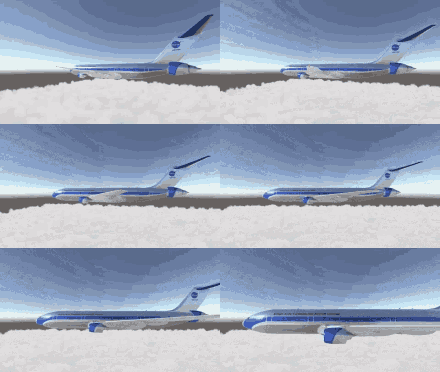
UNIT 1 INTRODUCTION 9 Hrs.
Introduction, Aircraft Design Requirements, specifications, role of users, Aerodynamic and Structural consideration, Airworthiness requirements and standards-classifications of airplanes, relative merits and demerits. Special features of modern airplane, Weight-estimation based on mission requirements.
UNIT 2 AERODYNAMIC DESIGN AND PERFORMANCE 9 Hrs.
Basics of Wing Design, Selection of airfoil selection, influencing factors. Span wise load distribution and Planform shapes of airplane wing. Wing drag estimation. High lift devices, Air Loads in Flight, Symmetrical measuring loads in flight, Basic flight loading conditions, Load factor, Velocity - Load factor diagram, gust load and its estimation.
UNIT 3 STRUCTURAL DESIGN 9 Hrs.
Structural aspects of design of airplane, Bending moment and shear force diagram. Design principles of all metal stressed skin wings for civil and military application, features of light airplanes using advanced composite materials.
UNIT 4 INTEGRATION OF WING, FUSELAGE, EMPENNAGE AND POWER PLANT 9 Hrs. Estimation of Horizontal and Vertical tail volume ratios. Choice of power plant and various options of locations, considerations of appropriate air -intakes. Integration of wing, fuselage, empennage and power plant. Estimation of center of gravity.
UNIT 5 ADVANCED DESIGN CONCEPTS 9 Hrs.
Supercritical Wings, relaxed static Stability, controlled configured vehicles, V/STOL aircraft and, rotary wing vehicles. Layout peculiarities of supersonic aircraft – optimization of wing loading to achieve desired performance – loads on undercarriages and design requirements. Max.45 Hrs.
COURSE OUTCOMES
On completion of the course, students will be able to
CO1 - Understand the concepts of design through preliminary design.
CO2 - Estimate the gross weight of the aircraft using statistical data.
CO3 - Evaluate aerodynamic and performance parameters for design.
CO4 - Understand the Structural aspects of airplane design.
CO5 - Analyze the stability and performance by CG calculation and engine characteristics. CO6 - Understand the advanced design concepts.
TEXT / REFERENCE BOOKS
1. D.P. Raymer, “Aircraft Conceptual design”, AIAA Series, 2012.
2. G. Corning, “Supersonic & Subsonic Airplane Design”, II Edition, Edwards Brothers Inc., Michigan 2010.
3. E.F. Bruhn, “Analysis and Design of Flight Vehicle Structures”, Tristate Offset Co., U.S.A., 2011.
4. E. Torenbeek, “Synthesis of Subsonic Airplane Design”, Delft University Press, London, 1976.
5. A.A. Lebedenski, “Notes on airplane design”, Part-I, I.I.Sc., Bangalore.
To understand the concepts of air vehicle design.
To estimate aerodynamic, propulsive and gravitational forces for design.
To select airframe components and power plant.
To analyze the performance, stability and control of the airplane.
UNIT 1 INTRODUCTION 9 Hrs.
Introduction, Aircraft Design Requirements, specifications, role of users, Aerodynamic and Structural consideration, Airworthiness requirements and standards-classifications of airplanes, relative merits and demerits. Special features of modern airplane, Weight-estimation based on mission requirements.
UNIT 2 AERODYNAMIC DESIGN AND PERFORMANCE 9 Hrs.
Basics of Wing Design, Selection of airfoil selection, influencing factors. Span wise load distribution and Planform shapes of airplane wing. Wing drag estimation. High lift devices, Air Loads in Flight, Symmetrical measuring loads in flight, Basic flight loading conditions, Load factor, Velocity - Load factor diagram, gust load and its estimation.
UNIT 3 STRUCTURAL DESIGN 9 Hrs.
Structural aspects of design of airplane, Bending moment and shear force diagram. Design principles of all metal stressed skin wings for civil and military application, features of light airplanes using advanced composite materials.
UNIT 4 INTEGRATION OF WING, FUSELAGE, EMPENNAGE AND POWER PLANT 9 Hrs. Estimation of Horizontal and Vertical tail volume ratios. Choice of power plant and various options of locations, considerations of appropriate air -intakes. Integration of wing, fuselage, empennage and power plant. Estimation of center of gravity.
UNIT 5 ADVANCED DESIGN CONCEPTS 9 Hrs.
Supercritical Wings, relaxed static Stability, controlled configured vehicles, V/STOL aircraft and, rotary wing vehicles. Layout peculiarities of supersonic aircraft – optimization of wing loading to achieve desired performance – loads on undercarriages and design requirements. Max.45 Hrs.
COURSE OUTCOMES
On completion of the course, students will be able to
CO1 - Understand the concepts of design through preliminary design.
CO2 - Estimate the gross weight of the aircraft using statistical data.
CO3 - Evaluate aerodynamic and performance parameters for design.
CO4 - Understand the Structural aspects of airplane design.
CO5 - Analyze the stability and performance by CG calculation and engine characteristics. CO6 - Understand the advanced design concepts.
TEXT / REFERENCE BOOKS
1. D.P. Raymer, “Aircraft Conceptual design”, AIAA Series, 2012.
2. G. Corning, “Supersonic & Subsonic Airplane Design”, II Edition, Edwards Brothers Inc., Michigan 2010.
3. E.F. Bruhn, “Analysis and Design of Flight Vehicle Structures”, Tristate Offset Co., U.S.A., 2011.
4. E. Torenbeek, “Synthesis of Subsonic Airplane Design”, Delft University Press, London, 1976.
5. A.A. Lebedenski, “Notes on airplane design”, Part-I, I.I.Sc., Bangalore.
- Teacher: Madhan Kumar G
Category: ODD SEMESTER
COURSE OBJECTIVE
To know about the airport planning, airport design and air traffic control
COURSE OUTCOMES
CO1: Describes the structure of the Airport and its infrastructure coming under AAI and IAAI.
CO2: Construct the Airport infrastructure as per FAA and ICAO standards.
CO3: Design of the airport terminal infrastructure as per FAA Pavement design methods and joints in cement concrete pavements.
CO4: Design of the runway lightning, marking centerline and sign operation for aircraft taxiway guidance system.
CO5: Develop the Air Traffic Control by Network control method in airports for landing the aircrafts in touch down point.
CO6: Develop the Air Traffic Control by Tower control Flight service station for landing and takeoff the aircrafts.
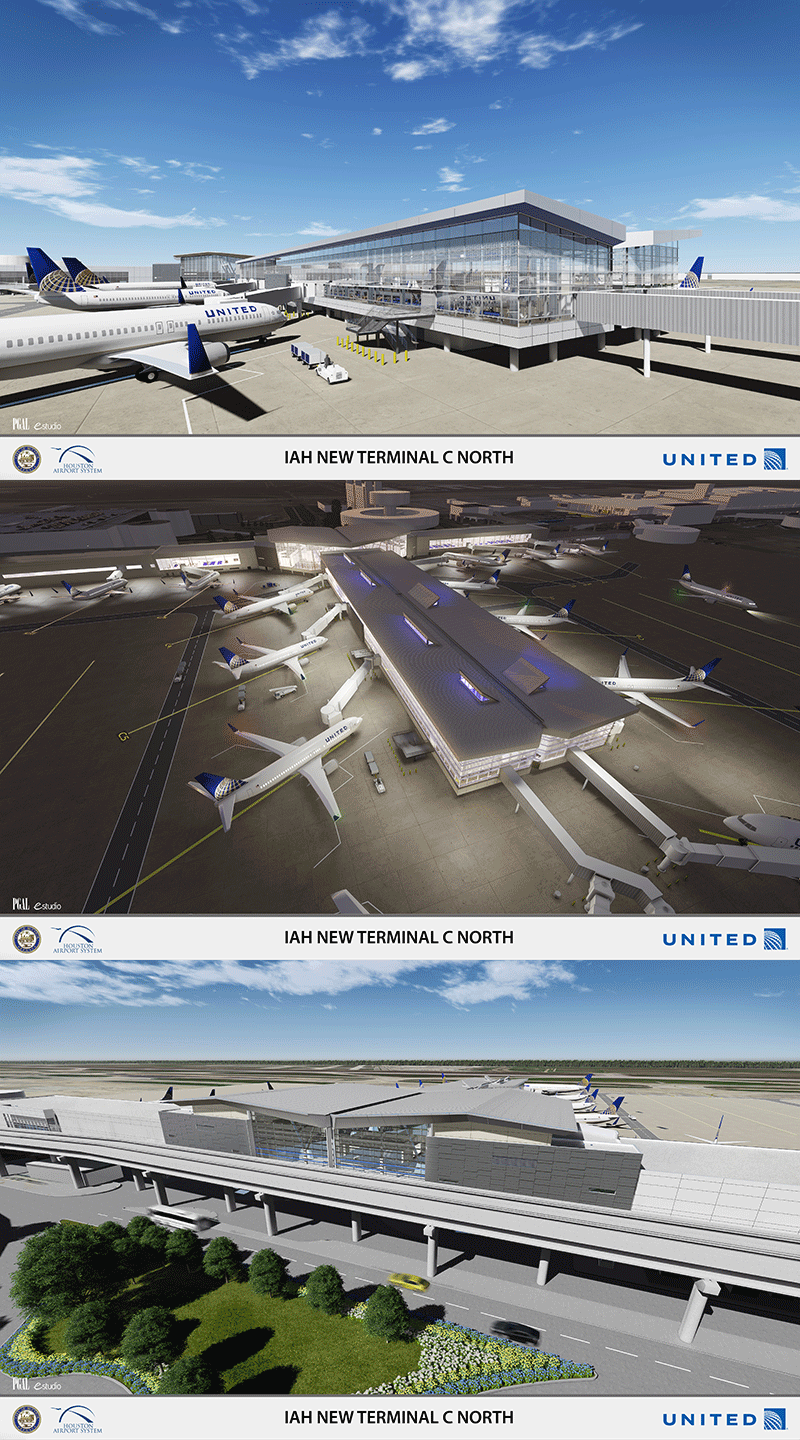
UNIT 1 AIRPORT PLANNING 9 Hrs.
Air transport characteristics-airport classification-air port planning: objectives, components, layout characteristics, socioeconomic characteristics of the Catchment area, criteria for airport site selection and ICAO stipulations, Typical airport layouts, Case studies, Parking and circulation area.
UNIT 2 AIRPORT DESIGN 9 Hrs.
Runway Design: Orientation, Wind Rose Diagram – Runway length – Problems on basic and Actual Length, Geometric design of runways, Elements of Taxiway Design – Airport Zones – Passenger Facilities and Services.
UNIT 3 DESIGN OF AERODROME PAVEMENT 9 Hrs.
Procedure for pavement design (Aircraft Classification Number (ACN) - Pavement Classification Number (PCN) method), Elements of pavement Evaluation, USA practices: design of flexible and rigid pavements, design examples (FAA method, FAAR FIELD method).
UNIT 4 DESIGN OF VISUAL AIDS 9 Hrs.
Operational factors, operating approach slope marking, visual indicators system (T- VASIS, PAPI), runway and taxiway lighting, surface movement guidance and control requirements, additional marking of pavement shoulders, apron marking, taxiway edge system, Signs, Frangibility.
UNIT 5 SAFETY MANAGEMENT SYSTEM 9 Hrs.
Introduction to State Safety Program - Introduction to Safety Management System. Airport drainage: Purpose, determination run-off (FAA method), typical drainage layout, sub-surface drainage.
Max. 45 Hours
TEXT / REFERENCE BOOKS
1. Airport Engineering ,Rangwala , Charotar Publishing House Pvt. Ltd . Anand 388 001 India , 14th Edition ,2014
2. Planning And Design Of Airports, Fifth Edition Robert Horonjeff, Francis Mckelvey, William Sproule, Seth Young ,McGraw Hill Pvt Ltd, New Delhi, 2013
3. Airport Engineering: Planning, Design And Development Of Development Of 21st Century Airports, Norman J. Ashford, Saleh
4. Mumayiz, Paul H. Wright - 2011 - - 4th Edition,
5. Airport Planning &Design ,S. K. Khanna, M. G. Arora , NemChand Publishers ,New Delhi ,1999
6. Airport Engineering: Planning And Design ,Subhash Chandra Saxena , Alkem Company (S) Pte Limited, 2009.
- Teacher: GokulNath R
Category: EVEN SEMESTER
SAEA3017 MANNED SPACE MISSIONS
COURSE OBJECTIVES
Know the advanced concepts of manned space missions to the engineers.
Understand the space and environment and its conditions.
Apply the concept of life supporting devices.
UNIT 1 FUNDAMENTALS OF SPACE MISSIONS 9 Hrs.
The physics of space, Current missions: space station, Moon mission and Mars missions, Engineering challenges on Manned vs. unmanned missions, Scientific and technological gains from space programs, Salient features of Apollo and Space station missions, space shuttle mission.
UNIT 2 SPACE VS EARTH ENVIRONMENT 9 Hrs.
Atmosphere: Structure and Composition, Atmosphere: Air Pressure, Temperature, and Density, Atmosphere: Meteoroid, Orbital Debris & Radiation Protection, Human Factors of Crewed Spaceflight, Safety of Crewed Spaceflight, Magnetosphere, Radiation Environment: Galactic Cosmic Radiation (GCR), Solar Particle Events (SPE), Radiation and the Human Body, Impact of microgravity and g forces on humans, space adaptation syndrome.
UNIT 3 LIFE SUPPORT SYSTEMS AND COUNTERMEASURES 9 Hrs.
Life Support Systems and Space Survival Overview, Environment Controlled Life Support Systems (ECLSS), Human / Machine Interaction, Human Factors in Control Design, Crew Accommodations.
UNIT4 MISSION LOGISTICS AND PLANNING 9 Hrs.
Group Dynamics: Ground Communication and Support, Space Resources and Mission Planning ‐ Space Mission Design: Rockets and Launch Vehicles ‐ Orbital Selection and Astrodynamics , Entry, Descent, Landing, and Ascent, Designing and Sizing Space elements, Transfer, Entry, Landing, and Ascent Vehicles, Designing, Sizing, and Integrating a Surface Base, Planetary Surface Vehicles.
UNIT 5 SUBSYSTEMS 9 Hrs.
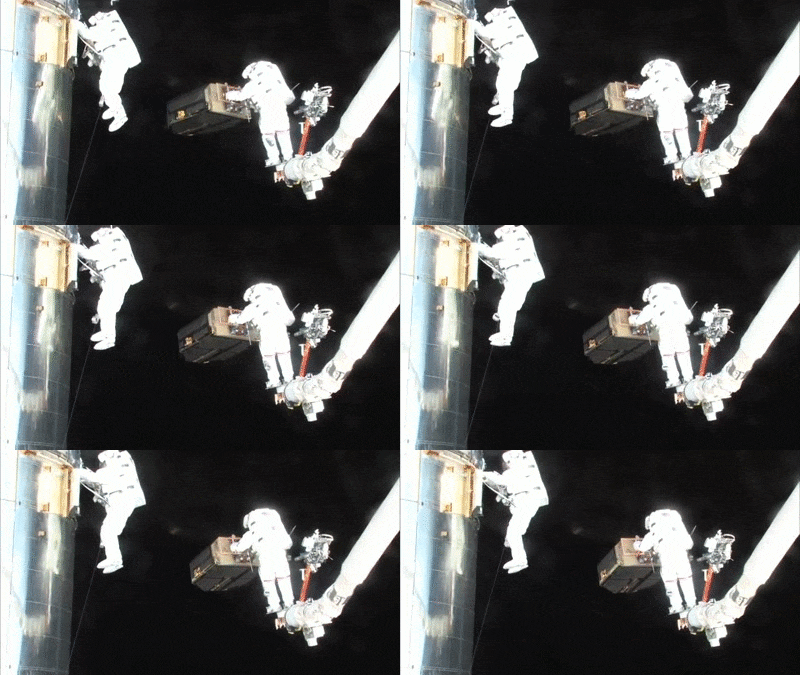
Spacecraft Subsystems: Space Operations, Space Architecture, Attitude Determination and Control‐ Designing Power Systems, Extravehicular Activity (EVA) Systems, Space Robotics, Mission Operations for Crewed Spaceflight ‐ Command, Control, and Communications Architecture.
COURSE OUTCOMES
On completion of the course, student will be able to
CO1 - Understand the working principles of basic control system.
CO2 - Comprehend the sound foundation in the various subsystems.
CO3 - Learn the advanced concepts of manned space missions to the engineers.
CO4 - Understand the space and environment and its conditions.
CO5 - Understand the the principle and performance of various subsystems.
CO6 - Applying the importance of the mission logistics and planning.
TEXT / REFERENCE BOOKS
1. Larson, W. J. and Pranke, L. K., Human Spaceflight: Mission Analysis and Design, McGraw‐Hill Higher Education,Washington, DC , 1999 2. McNamara, Bernard. 2010.
2. Into the Final Frontier: The Human Exploration of Space (BrooksCole Publishing), 2012.
3. Connors, M.M., Harrison, A.A., and Akins, F.R. 2005. Living Aloft: Human Requirements for Extended Spaceflight, University Press of the Pacific, Honolulu, Hawaii: ISBN: 1‐4102‐1983‐6 4 Eckart, P. 1996. Spaceflight Life Support and Biospherics.
- Teacher: Madhan Kumar G
Category: SCHOOL OF MECHANICAL
UNIT1 BASIC PROPERTIES OF ATMOSPHERE 9Hrs.
Heat, Temperature, and Temperature Scales - The Electromagnetic Spectrum - Composition of the Atmosphere - Layers in the atmosphere are defined by temperature profiles, How pressure varies in the atmosphere - Principal weather instruments – Earth’s Radiation Belts.
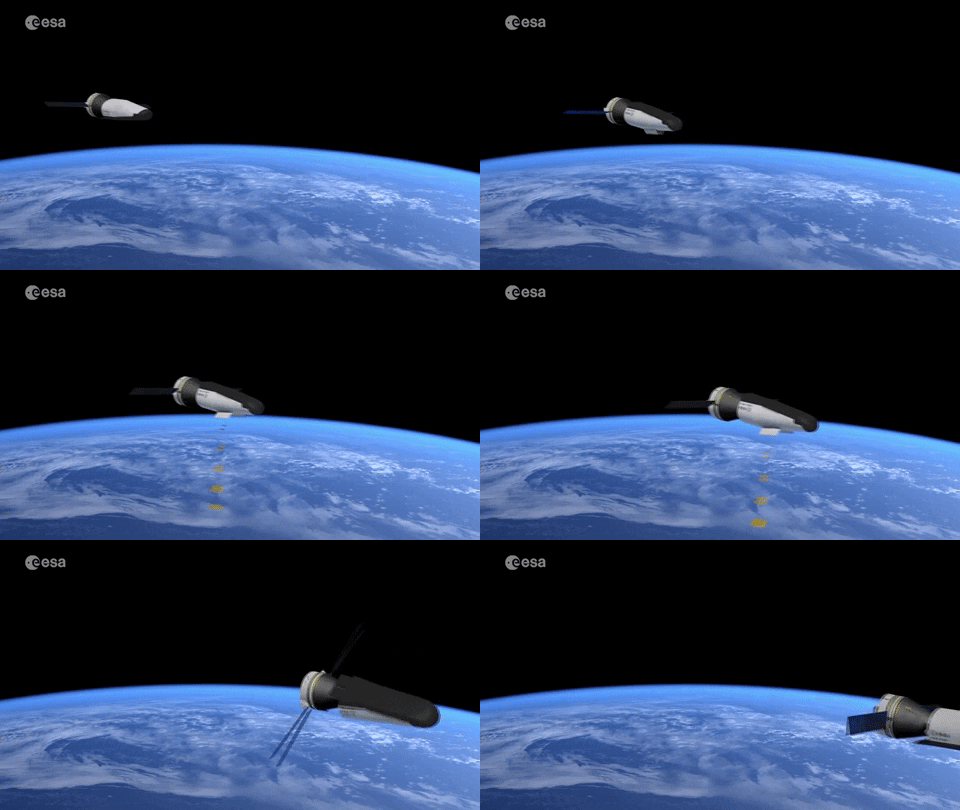
UNIT2 CLASSIFICATION OF AEROSPACE VEHICLES 9Hrs.
Fixed wing Aircraft – Classification of Aircraft, Aircraft as a Space Launcher assistance – Rotorcraft – Classification of Rotorcraft – Missiles – Classification of Missiles, Missile technology missions – Space Vehicles – classification of space vehicles.
UNIT3 SATELLITE MISSION AND CONFIGURATION 9Hrs.
Mission Overview – Requirements for different missions – Spacecraft configuration - Spacecraft Bus–Payload–Requirements and constraints– Initial configuration decisions and Trade-offs–Spacecraft configuration process– Broad design of Spacecraft Bus–Subsystem layout–Types of Satellites–Constellations– Applications
UNIT4 FUNDAMENTALS OF MISSILE SYSTEMS 9Hrs.
History of guided missile for defence applications- Classification of missiles– The Generalized Missile Equations of Motion- Coordinate Systems- Lagrange’s Equations for Rotating Coordinate Systems-Rigid-Body Equations of Motion-missile system elements, missile ground systems.
UNIT5 SPACE ENVIRONMENT 9Hrs.
Peculiarities of space environment and its description– effect of the space environment on materials of spacecraft structure and astronauts- manned space missions – effect on satellite life time
Max.45Hrs.
COURSE OUTCOMES:
CO1: Describe the layers in the atmosphere and earth’s radiation belts.
CO2: Classify the space launchers, missiles, rotorcraft and aircrafts for different applications.
CO3: Categorize the satellite mission configuration and types of satellites required for different applications.
CO4: Estimate the missile equations of motion in static and rotating coordinate system
CO5: Analyse the rigid body equation of motion for missile systems.
CO6: Synthesize the effect of the space environment on materials of spacecraft structures and astronauts.
TEXT/REFERENCEBOOKS
1. Cornelisse, J.W., “Rocket Propulsion and Space Dynamics”, J.W. Freeman &Co.,Ltd, London, 1982
2. Siouris, G.M. "Missile Guidance and control systems", Springer, 2003.
3. James R.Wertzand WileyJ.Larson,” Space Mission Analysis and Design”, (Third Edition),1999.
4. Charles D.Brown, “Spacecraft Mission Design”, AIAA Education Series, Published by AIAA, 1998
5. Van de Kamp, “Elements of astromechanics”, Pitman Publishing Co., Ltd., London, 1980.
- Teacher: Madhan Kumar G
- Teacher: Dr. ANAND T
Category: ODD SEMESTER
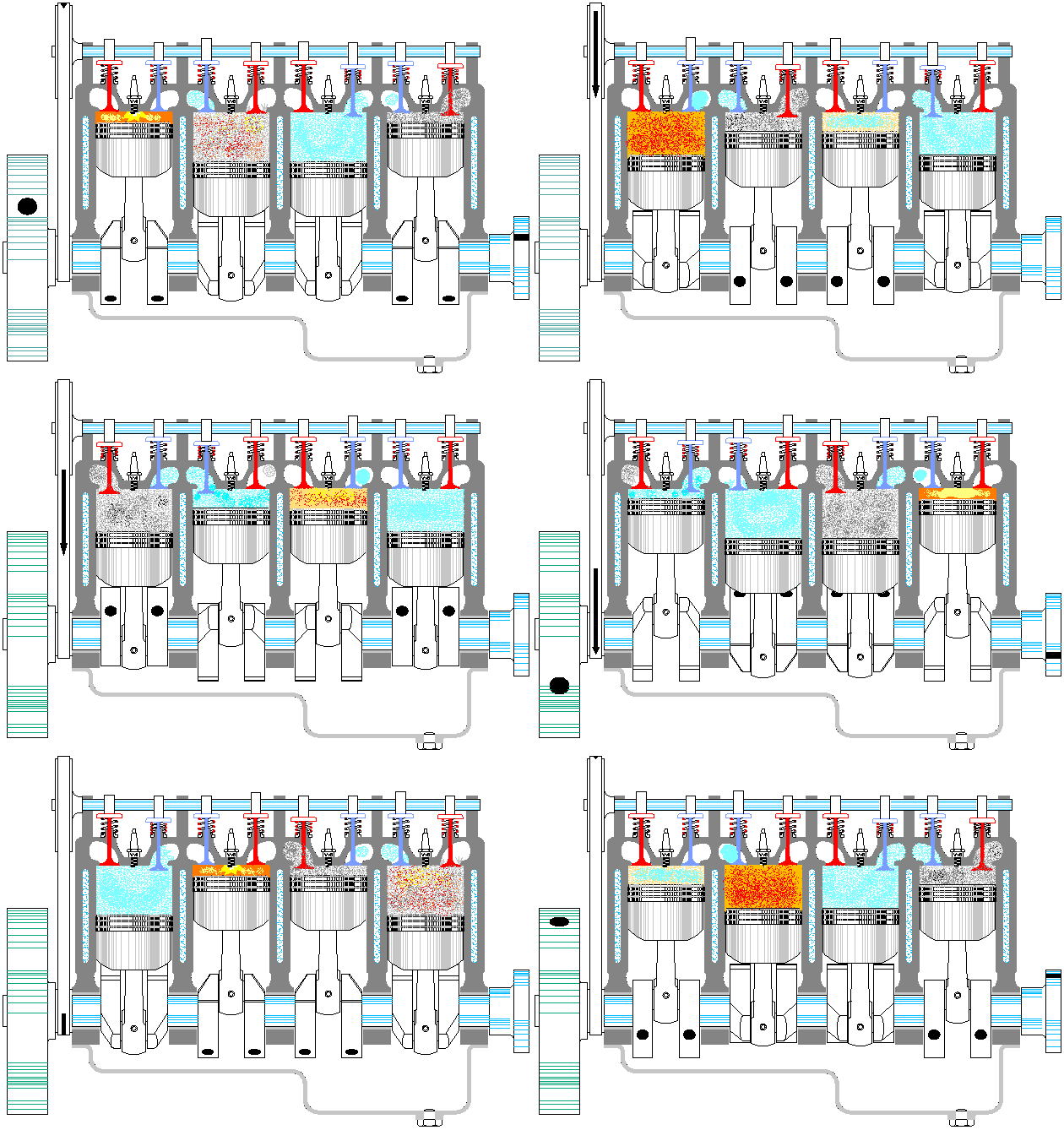
Thermodynamics is the science of heat as a special form of energy exchange. It is thus a branch of energetics, the general science of the forms and interchanges of energy. From a thermodynamic standpoint energy can be exchanged in two fundamental ways: in the form of work or in the form of heat.
- Teacher: Anderson A
Category: ODD SEMESTER
COURSE OBJECTIVES
To introduce the concepts of mass, momentum and energy conservation relating to aerodynamics.
To make the student understand the concept of vorticity, irotationality, theory of airfoils and wing sections.
To introduce the basics of viscous flow.
UNIT 1 REVIEW OF BASIC AERODYNAMICS 9 Hrs.
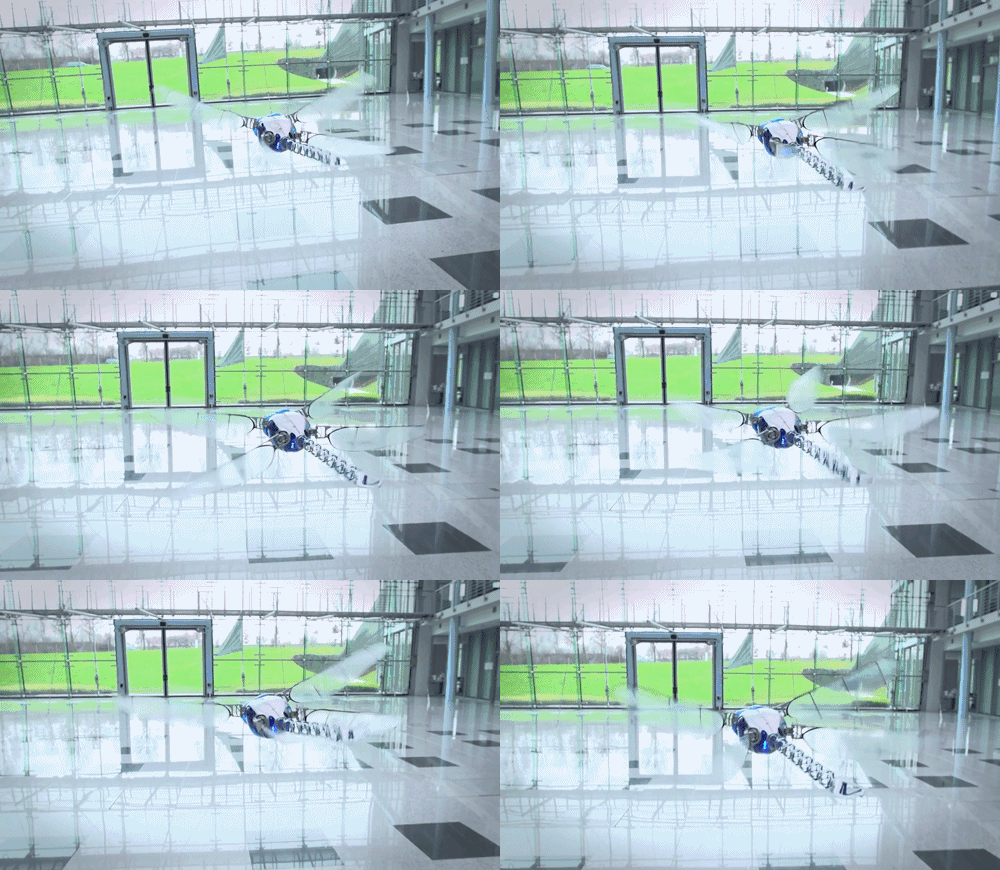
Atmosphere- Air speeds- Aerodynamic definitions Types of Drag- General Aerodynamic characteristics of airfoil sections-Complex potential-Singularities-Equations of Vortex-doublet and Rankine oval - Lift and Drag on cylinder and Aero foil.
UNIT 2 LOW SPEED FLOW 9 Hrs.
Models of the fluid: control volumes and fluid elements. Continuity, Momentum and energy equations. Substantial derivative, incompressible Bernoulli’s equation.
UNIT 3 AIRFOIL AND CONFORMAL TRANSFORMATION 9 Hrs.
Airfoils Nomenclature and NACA series, Airfoil Characteristics, Vortex sheet, Kelvin Circulation theorem Thin aerofoil theory and its applications. Joukowski transformation and its application to fluid flow problems.
UNIT 4 WING THEORY 9 Hrs.
Introduction to Finite wing, Downwash and Induced Drag, Biot -Savart law and Helmhotz’s theorems, Horse shoe vortex, Prandtl’s Classical Lifting line theory and its limitations.
UNIT 5 VISCOUS FLOW 9 Hrs.
Derivation of Navier-Stokes equation for two-dimensional flows, boundary layer approximations, laminar boundary equations and boundary conditions, Blasius solution, qualitative features of boundary layer flow under pressure gradients, Integral method, aspects of transition to turbulence, turbulent boundary layer properties over a flat plate at low speeds. Separation of flow over bodies stream lined and bluff bodies, Lift and Drag on cylinder and Aero foil.
COURSE OUTCOMES
On completion of the course, student will be able to
CO1 - Apply aerodynamics concepts.
CO2 - Develops mathematical modelling ability.
CO3 - Differentiate between ideal and real flows.
CO4 - Model flow over wing.
CO5 - Understand the real time viscous flow.
CO6 - Understand the Boundary Layer behaviour.
TEXT / REFERENCE BOOKS
1. Aerodynamics for. Engineering Students. Sixth Edition. E.L. Houghton. P.W. Carpenter. Steven H. Collicott. Daniel T. Valentine, 2013 Elsevier, Ltd.
2. Bertin, John J., Aerodynamics for Engineers, Pearson Education Inc., 2002.
3. John J. Bertin, Russell M. Cummings, “Aerodynamics for Engineering students”, Sixth Edition,Pearson,2013.
4. Anderson J.D., “Fundamentals of Aerodynamics”, Sixth Edition , McGraw Hill Book Co., NewYork,2017.
5. Schlichting H., “Boundary layer theory” , Seventh Edition, McGraw Hill, NewYork 2014.
- Teacher: Madhan Kumar G
- Teacher: MATHIYARASI M
Category: EVEN SEMESTER
COURSE OBJECTIVES
To introduce the concepts of compressibility.
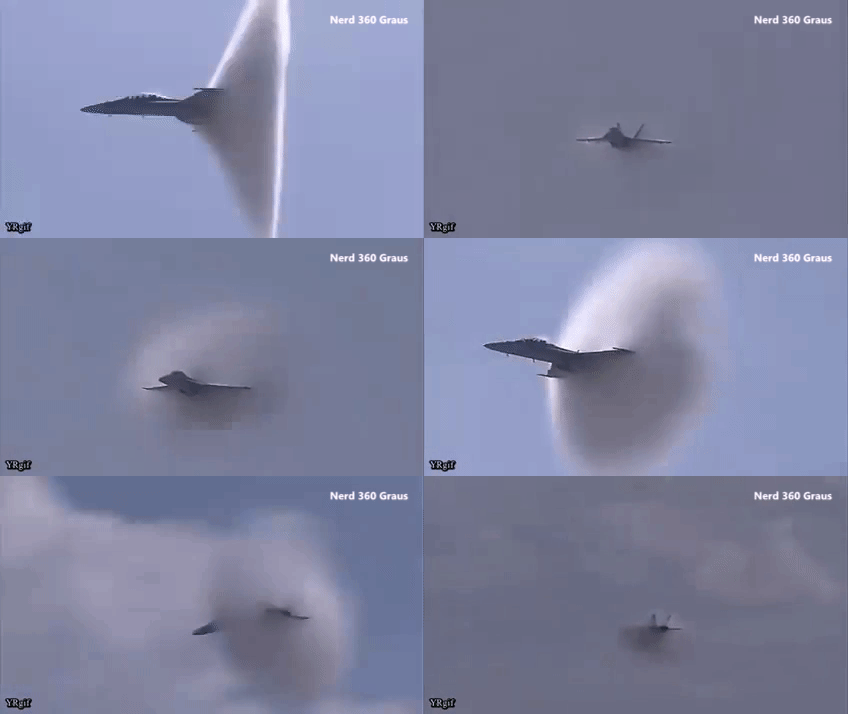
To make the student understand the theory behind the formation of shocks and expansion fans in Supersonic flows.
To introduce the methodology of measurements in Supersonic flows.
UNIT 1 CONCEPTS OF COMPRESSIBLE FLOW 9 Hrs.
Basic concepts of compressible flow, Review of continuity, energy and momentum equations. One dimensional inviscid flow; Stagnation quantities; Isentropic conditions. Speed of sound and Mach number; Isentropic relations; Area-velocity relation. Flow through constant area duct.
UNIT 2 COMPRESSION AND EXPANSION WAVES 9 Hrs.
Normal shock –Prandtl equation and Rankine–Hugonoit relation .Oblique shock and supersonic compression by turning. Weak shocks and Mach waves; Super sonic expansion by turning. Prandtl-Meyer expansion fan; Reflection and intersection of shocks. Shock detachment and bow shock; Shock Expansion theory with application to thin airfoils.
UNIT 3 AIRFOIL IN HIGH SPEED FLOWS 9 Hrs.
Small perturbation potential theory, solutions for supersonic flows, Mach waves and Mach angles, Prandtl-Glauert rule - affine transformation relations for subsonic flows, linearized two dimensional supersonic flow theory - Lift, drag, pitching moment and center of pressure of supersonic profiles.
UNIT 4 TRANSONIC FLOW OVER WING 9 Hrs.
Lower and upper critical mach numbers, Lift and drag divergence, shock induced separation, characteristics of swept wings, Effects of thickness, camber and aspect ratio of wings, Transonic area rule, Tip effects.
UNIT 5 EXPERIMENTAL TECHNIQUES FOR HIGH SPEED FLOWS 9 Hrs.
Blow down, indraft and induction tunnel layouts and their design features. Transonic, supersonic and hypersonic tunnels and their peculiarities. Helium and gun tunnels, Shock tubes, Optical methods of flow visualization.
Max.45 Hrs.
COURSE OUTCOMES
On completion of the course, student will be able to
CO1 - Acquire knowledge on the basic concepts of compressible flowCO2 - Distinguish the compression and expansion waves on arbitrary bodies and open deflected conduits. CO3 - Solve the lift, drag and center of pressure of supersonic airfoils.
CO4 - Differentiate the transonic flow effects over Wings and wing fuselage compartment.
CO5 - Understand the different types of tunnel layouts and their design features.
CO6 - Analyse the shock tube effect and application of flow visualization in it.
TEXT / REFERENCE BOOKS
1. Radhakrishnan, Ethirajan., Gas Dynamics, John Wiley & Sons,2010.
2. Anderson J. D., Jr., Modern Compressible Flow with Historical Perspective, McGraw Hill Publishing Co.,2004.
3. H W Liepmann and A Roshko, Elements of Gas Dynamics, John Wiley & Sons.
4. Shapiro, A.H., "Dynamics and Thermodynamics of Compressible Fluid Flow", Ronold Press.
5. Zucrow, M.J. and Anderson, J.D., "Elements of gas dynamics", McGraw-Hill Book Co., New York.
6. Clancy,L,J., “Aerodynamics”, Pitman, Shroff Publishing co.,2006.
- Teacher: Madhan Kumar G
Category: ODD SEMESTER