
Search results: 1466
1.Display a working knowledge of the cultural and historical contexts of significant works prescribed for study
2. Identify and describe distinct literary characteristics of contemporary literature and demonstrate an understanding of how 21st century culture, trends, and historical events affect the literature produced today.
3. Analyze literary works from various genres for their structure and meaning, using correct terminology.
4. Write analytically about contemporary literature .
5. Effectively communicate ideas related to the literary works during class and group activities.
- Teacher: LIZY BOSCO
Category: EVEN SEMESTER
SAEA3006 CRYOGENIC ENGINEERING
COURSE OBJECTIVES
To enrich the students in the field of Cryogenic Engineering and its Applications.
To learn the various Refrigeration processes, Equipment, Instruments, gas separation and Purification processes.
UNIT 1 CRYOGENIC FLUIDS AND MATERIAL PROPERTIES 9 Hrs.
Cryogenic Engineering – Properties of cryogenic fluids – Oxygen, Nitrogen, Argon, Neon, Flourine, Helium. Hydrogen, Properties of Solids – Mechanical, Thermal, and Electrical-Super conductivity, Cryogenic applications.
UNIT 2 CRYOGENIC REFRIGERATION AND GAS LIQUEFACTION 9 Hrs.
Principle – Joule Thomson Expansion, Cascade processes, Ortho para hydrogen conversion, cold gas refrigerators, LindeHampson cycles, Claude and cascaded systems, magnetic cooling, Stirling Cycle, Pulse Tube refrigeration.
UNIT 3 CRYOGENIC EQUIPMENTS AND REQUIREMENTS 9 Hrs.
Cryogenics- Heat Exchangers, Compressors, Expanders, Effect of various parameters in performance and system optimization. Insulation and Storage equipment for cryogenic fluids, industrial storage and transfer of cryogenic fluids.
UNIT 4 GAS SEPARATION AND PURIFICATION 9 Hrs.
Ideal gas, Mixture characteristics – composition diagrams – gas separation – Principle of Rectification process– principle and working of air separation, principle and working of gas purification.
UNIT 5 CRYOGENIC INSTRUMENTATION 9 Hrs.
Grinding process; cylindrical grinding, surface grinding, center less grinding – honing, lapping, super finishing, polishing, buffing and hobbing. Metallic Coatings; electro plating, galvanizing, tin coating, anodizing. Organic Finishes; primers, oil paint, brushing, spraying and rubber base coatings.
Max.45 Hrs.
COURSE OUTCOMES
On completion of the course, students will be able to
CO1 - Describe the basic concepts of various cryogenic fluids and materials.
CO2 - Understand the cryogenic refrigeration and gas liquefaction.
CO3 - Understanding the working principles of cryogenic equipment.
CO4 - Understanding the working of gas separation and purification.
CO5 - Understanding the instrumentation of cryogenic technology
CO6 - To design the cryogenic system based on the application.
TEXT / REFERENCE BOOKS
1. Randal F. Barron, Cryogenic Systems, McGraw Hill, 2010.
2. Cryogenic Engineering, Van Nostrand Co. Inc. 2011.
3. Klaus D. Timmerhaus, Richard Palmer Reed, Cryogenic Engineering: 50 years of progress, Springer, 2011.
4. Hastlden, C., “Cryogenic Fundamentals”, Academic Press, 2001.
5. Walker, “Cryocoolers”, Plenum Press, 2000.
COURSE OBJECTIVES
To enrich the students in the field of Cryogenic Engineering and its Applications.
To learn the various Refrigeration processes, Equipment, Instruments, gas separation and Purification processes.
UNIT 1 CRYOGENIC FLUIDS AND MATERIAL PROPERTIES 9 Hrs.
Cryogenic Engineering – Properties of cryogenic fluids – Oxygen, Nitrogen, Argon, Neon, Flourine, Helium. Hydrogen, Properties of Solids – Mechanical, Thermal, and Electrical-Super conductivity, Cryogenic applications.
UNIT 2 CRYOGENIC REFRIGERATION AND GAS LIQUEFACTION 9 Hrs.
Principle – Joule Thomson Expansion, Cascade processes, Ortho para hydrogen conversion, cold gas refrigerators, LindeHampson cycles, Claude and cascaded systems, magnetic cooling, Stirling Cycle, Pulse Tube refrigeration.
UNIT 3 CRYOGENIC EQUIPMENTS AND REQUIREMENTS 9 Hrs.
Cryogenics- Heat Exchangers, Compressors, Expanders, Effect of various parameters in performance and system optimization. Insulation and Storage equipment for cryogenic fluids, industrial storage and transfer of cryogenic fluids.
UNIT 4 GAS SEPARATION AND PURIFICATION 9 Hrs.
Ideal gas, Mixture characteristics – composition diagrams – gas separation – Principle of Rectification process– principle and working of air separation, principle and working of gas purification.
UNIT 5 CRYOGENIC INSTRUMENTATION 9 Hrs.
Grinding process; cylindrical grinding, surface grinding, center less grinding – honing, lapping, super finishing, polishing, buffing and hobbing. Metallic Coatings; electro plating, galvanizing, tin coating, anodizing. Organic Finishes; primers, oil paint, brushing, spraying and rubber base coatings.
Max.45 Hrs.
COURSE OUTCOMES
On completion of the course, students will be able to
CO1 - Describe the basic concepts of various cryogenic fluids and materials.
CO2 - Understand the cryogenic refrigeration and gas liquefaction.
CO3 - Understanding the working principles of cryogenic equipment.
CO4 - Understanding the working of gas separation and purification.
CO5 - Understanding the instrumentation of cryogenic technology
CO6 - To design the cryogenic system based on the application.
TEXT / REFERENCE BOOKS
1. Randal F. Barron, Cryogenic Systems, McGraw Hill, 2010.
2. Cryogenic Engineering, Van Nostrand Co. Inc. 2011.
3. Klaus D. Timmerhaus, Richard Palmer Reed, Cryogenic Engineering: 50 years of progress, Springer, 2011.
4. Hastlden, C., “Cryogenic Fundamentals”, Academic Press, 2001.
5. Walker, “Cryocoolers”, Plenum Press, 2000.

- Teacher: Madhan Kumar G
Category: ODD SEMESTER
COURSE OBJECTIVES
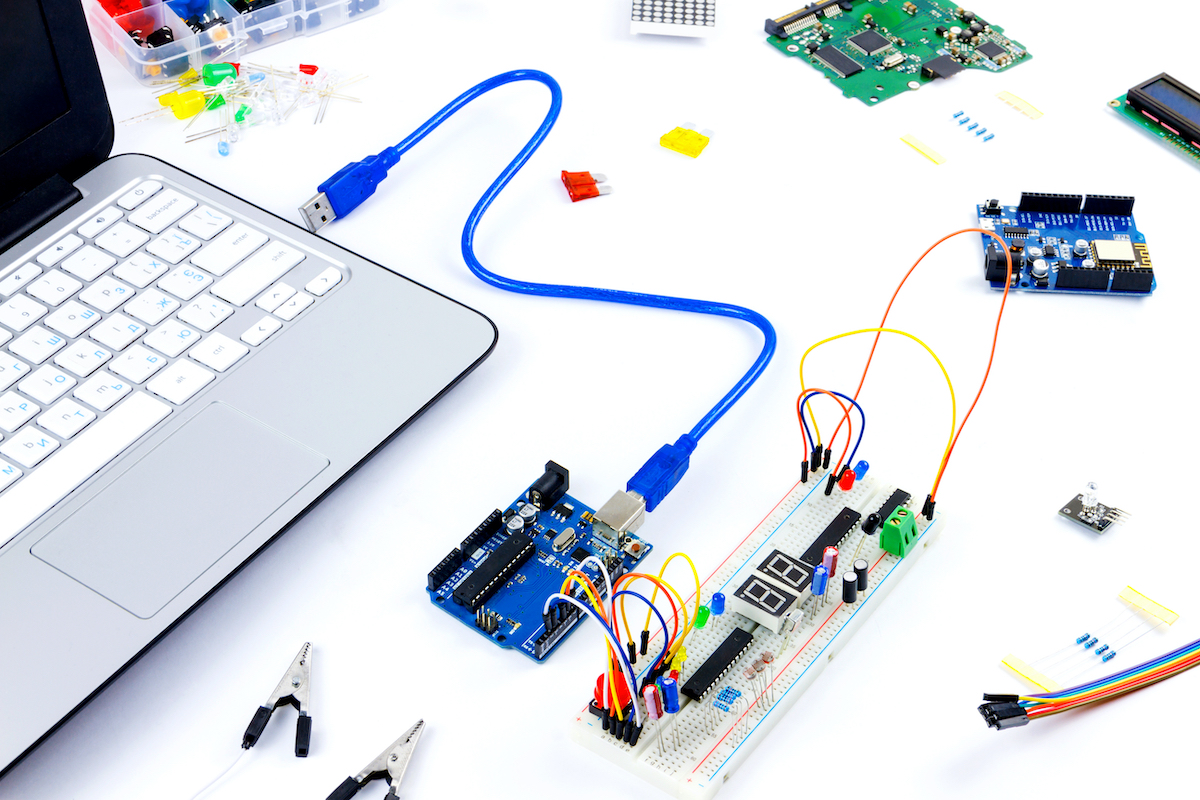
Design complex electronic systems interfacing multiple integrated circuits.
Design and conduct experiments, as well as analyze and interpret data.
Design a system, component, or process to meet desired needs. .
Identify, formulate, and solve engineering problems. .
Use the techniques, skills, and modern engineering tools necessary for engineering practice
Category: SCHOOL OF COMPUTING
COURSE OBEJCTIVES
To understand the technologies behind the embedded computing systems.
To acquire knowledge about microcontrollers embedded processors and their applications.
To analyze and develop software programs for embedded systems
To have knowledge about the working of a microcontroller system and its programming in assembly language.
To provide experience to integrate hardware and software for microcontroller applications systems.
Category: ODD SEMESTER
COURSE OBJECTIVES:
➢ To introduce varies concepts related to the study of society and culture.
➢ To develop an understanding of art, craft and design in a variety of contexts with respect to space, function and climate.
➢ To expose the students to the principles of Vastushastra and Feng shui and its applications in interior design.

- Teacher: Shruthi Natarajan
Category: EVEN
- Teacher: JEEVITHA M
- Teacher: KAVIYA R
Category: ODD SEMESTER
- Teacher: Shamili V
Category: School of Science and Humanities
- Teacher: Rajeshwary S
Category: School of Science and Humanities
- Teacher: KIRUBHASHANKAR C K
Category: School of Science and Humanities
Data Communication is exchange of information through a transmission medium may be wired or wireless. Network is a set of devices connected by a communication link. Hence the course focuses on how communication is managed in a network and its basic protocols.
This course comprises of totally five chapters including the basics of data communication and networking concepts and various protocols in Physical, Data link and Transport Layers.

- Teacher: Barani S
- Teacher: LAKSHMI S
- Teacher: POORNAPUSHPAKALA S
- Teacher: V.J.K.Kishor Sonti
Category: EVEN SEMESTER
COURSE OBJECTIVES
➢ To implement linear and non-linear data structures.
➢ To understand the different operations of search trees.
➢ To implement graph traversal algorithms and sorting algorithms.
➢ To get familiarized to binary tree traversal.
➢ To implement travelling salesman problem.
LIST OF EXPERIMENTS
1. Program to find the largest and smallest number in an unsorted array.
2. Program to implement operations on a Singly linked list.
3. Program to implement operations on a doubly linked list.
4. Program to sort the elements using insertion sort.
5. Program to sort the elements using quick sort.
6. Program to sort the elements using merge sort.
7. Program to implement a Stack using an array and Linked list.
8. Program to implement Queue using an array and Linked list.
9. Program to implement Circular Queue.
10. Program to convert an infix expression to postfix expression.
11. Program to implement BFS and DFS
12. Program to implement N Queens problem.
13. Program to implement Binary Tree Traversal
14. Program to implement Travelling Salesman Problem
COURSE OUTCOMES
On completion of the course, student will be able to
CO1: Remembering the concept of data structures through ADT including List, Stack and Queues
CO2: Understand basic concepts about stacks, queues, lists, trees and graphs
CO3: Able to apply and implement various tree traversal algorithms and ensure their correctness
CO4: Ability to analyze algorithms and develop algorithms through step by step approach in solving problems with the help of fundamental data structures.
CO5: Compare and contrast BFS and DFS.
CO6: Design applications and justify use of specific linear and binary data structures for various applications

- Teacher: JESLIN SHANTHAMALAR JACOB SAMUEL
- Teacher: Roobini M S
- Teacher: Srinivasan N
- Teacher: Aishwarya R
- Teacher: Sathya Bama R
- Teacher: Prince Mary S
- Teacher: NITHYA SEKAR
Category: EVEN SEMESTER
Category: EVEN SEMESTER
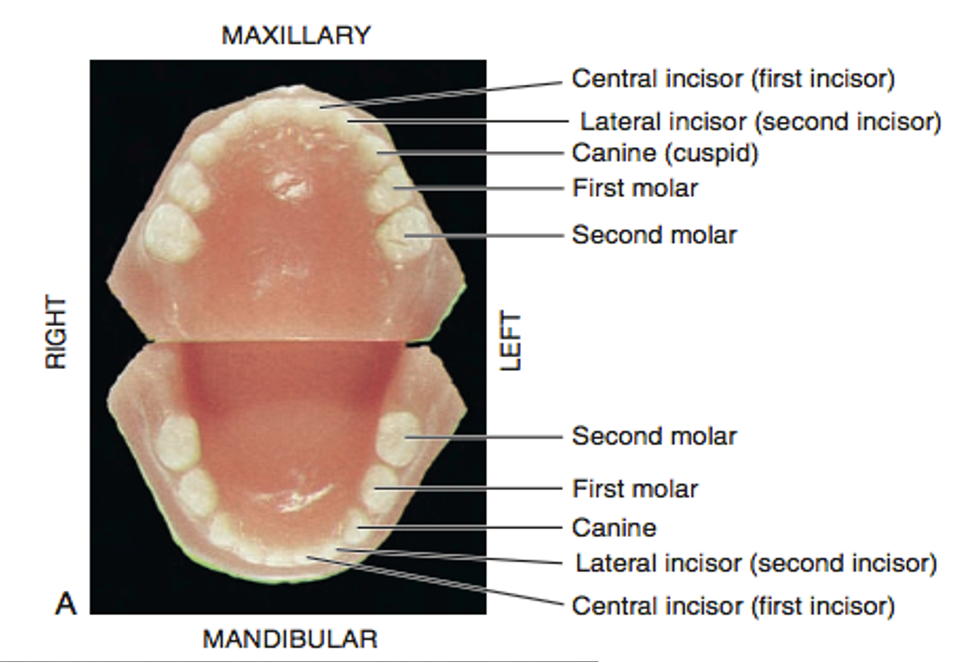
Dental Anatomy is defined as:
The study of the development,
morphology, function, and identity of each of the teeth in the human primary and secondary dentition as well as the way in which the
teeth relate in shape, form, structure, color and function to the other teeth
in the same dental arch and to the teeth in the opposing
arch.
The study of dental anatomy, physiology, and occlusion provides one of the basic components of the skills needed to practice all phases of dentistry.
Category: SCHOOL OF DENTAL SCIENCES
DESIGN-III (KID'S WEAR)
COURSE OBJECTIVES
- To understand the basic principles of research and learn various methods available for collecting and analysing data.
- To develop the ability to understand design strategies and plan design activities for women’s wear.
- To understand the application of various tools to fashion forecasting in Indian markets
- To comprehend fashion forecasting as a tool to understand consumer behavior in the Indian scenario.
Fashion Design Process for Kid’s Wear
- Inspiration Board - Collects different inspirational images, words, and objects (fabric, colour, textures, trims, paint chips, packaging, etc.) in the form of a paper poster, a bulletin board, a digital graphic, or a video.
- Research –- Exploring, Conceptualizing and visualizing information generated by observation and investigation. Record the all research information’s and creates a rich visual archive used to inspire designs from theme to final detail.
- Trend forecast for the desirable season.
- Market Research
- Mood Board - To create the theme for the range or collection with based on the trends of color, trims, fabrics, etc.
- Doodling - Sequential doodling, design concepts are developed through a process in which perceptually and conceptually proceeds by processing information.
- Form and Design development - Develop the concept and appearance of the fashion item Sketches & diagrams are develop Patterns & samples.
- Range development and design selection.
- Fashion illustration
- Flat drawing (Technical Drawing)
- Material exploration
- Photoshoot

- Teacher: Priyadarshini R
Category: SCHOOL OF BUILDING AND ENVIRONMENT
COURSE OBJECTIVES
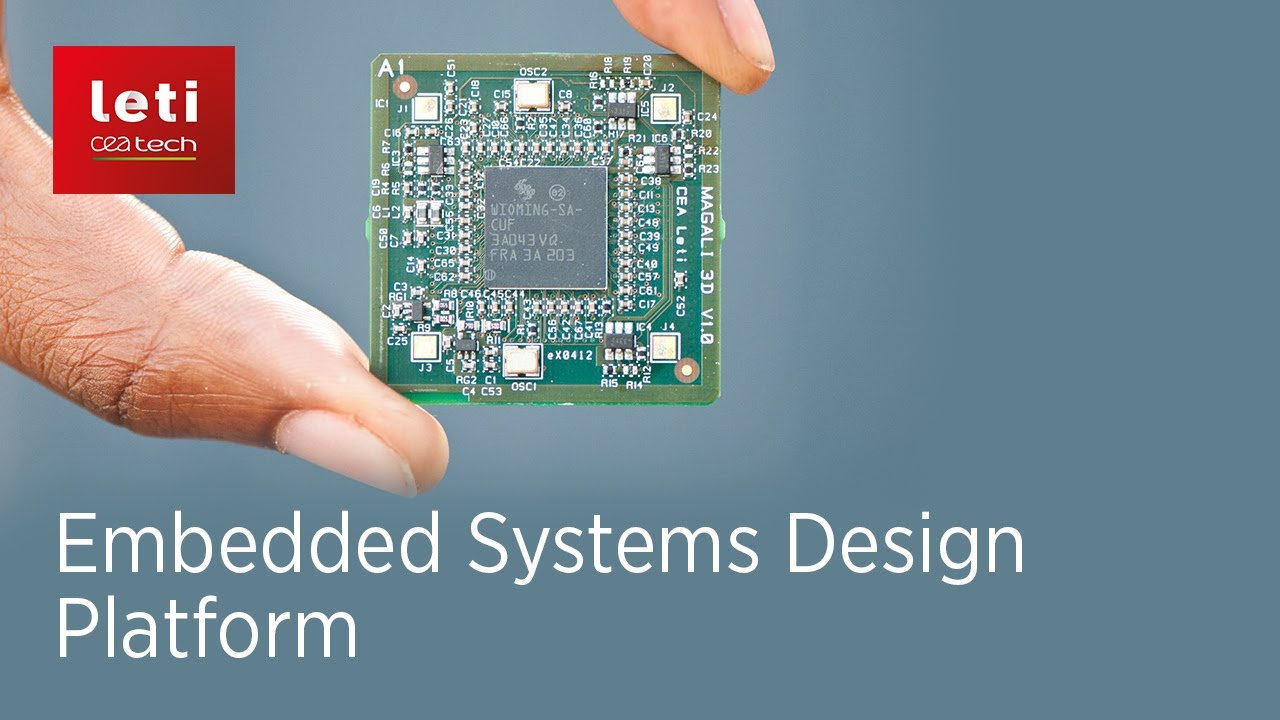
- To provide a clear understanding on the basic concepts, Building Blocks of Embedded Systems.
- To teach the fundamentals of Embedded processor Modeling, Bus Communication in processors, Input/output interfacing.
- To introduce processor-scheduling algorithms, Basics of Real time operating systems.
- To discuss on aspects required in developing a new embedded processor, different Phases& Modeling of embedded system.
COURSE OUTCOMES
On completion of the course, the student will be able to
CO1 - Describe the components of embedded system and different communication protocols.
CO2 - Describe the differences between the general computing system and embedded system, also recognize the
classification of embedded systems.
CO3 - Attain expertise with embedded system development and debugging tools.
CO4 - Apply the interrupt service mechanism in the design of embedded system.
CO5 - Design of real time embedded systems using the concepts of RTOS.
CO6 - Articulate the role of embedded systems in industry and provide feasible design solutions for given problem
statement.
Category: ODD SEMESTER
To enable the students, understand the principles of composition and its importance in Architecture and to understand role of transformation of form in Architecture
To know the importance of spatial qualities and to experiment and understand the art of space arrangement
To enable Conceptualization in architecture through creative thinking and to analyse the functional relationship between
space, user and built environment
- Teacher: VIJENDRANATH R
- Teacher: Kavitha S
- Teacher: SHOBANA SUBRAMANIAN
Category: EVEN