
Search results: 406
COURSE OBJECTIVE
- To study the various types of communication techniques and their analysis based on Fourier transform and to provide fundamental knowledge of pulse modulation techniques and their types.
UNIT 1 SIGNAL ANALYSIS
Fourier transform of gate functions, delta functions at the origin – Two delta function and periodic delta function – properties of Fourier transform – Frequency shifting – Time shifting – Convolution theorem – Frequency convolution theorem – Sampling theorem.
UNIT 2 PULSE MODULATION AND COMMUNICATION
Pulse amplitude modulation – Natural sampling -Instantaneous sampling Transmission of PAM signals – Pulse width modulation – Time division multiplexing and frequency division multiplexing – Band width requirements for PAM signals – Pulse code modulation – Principles of PCU – Quantizing noise – Generation and demodulation of PCM – Effects of noise – Advantages and application of PCM – Differential PCM (DPCM) – Delta modulation.
UNIT 3 BROAD BAND COMMUNICATION
Coaxial cable circuit -Parallel wire line circuit – Computer communication – Digital data communication – Modems – Microwave communication links – LOS links – Tropospheric scatter microwave links – Integrated Service Digital Network (ISDN) – Architecture – Broadband ISDN – Local Area Network (LAN) – LAN topologies – Private Branch Exchange (PBX).
UNIT 4 SATELLITE COMMUNICATION
Introduction – Communication satellite systems – Transmitting and receiving earth station – Satellite orbits – Satellite frequency bands – Satellite multiple access formats – FDMA – CDMA – Satellite channel, Power flow – Polarization antenna gain – Parabolic dish antenna – Power loss – Rainfall effect – Receiver noise –satellite system power budget: EIRP, received power Carrier to noise ratio, G/T ratio. – Satellite link analysis – Up link – Down link – Cross link – Direct Home TV broadcasting – Satellite transponders.
UNIT 5 RADAR SYSTEMS AND OPTICAL FIBER
Introduction, Basic Radar systems, Radar systems – Radar range – Pulsed radar system – A Scope – Plan Position Indicator (PPI) – Search Radar – Tracking Radar – Moving Target Indicator (MTI) – Doppler Effect – MTI principle – Digital MTI – Radar Beacons. Optical Fiber: Introduction to light, optical fiber and fiber cables, optical fiber characteristics and classification, losses, Fiber optic components and systems, Installation, testing and repair.
Course Outcomes:
By the end of this course students will be able to
CO1: Design, operation, and troubleshoot of electronic systems
CO2: Solve electronic devices and systems using mathematical concepts.
CO3: Analyze electronics devices and circuits using computer simulations.
CO4: Analyze components associated with digital and analog electronic/communication systems.
CO5: Analyze basic wireless and communication circuits using computer simulations
- Teacher: KEVIN BENNETT S
Category: Semester 4
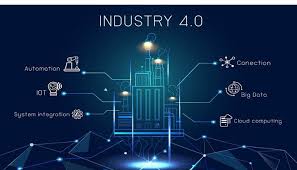
The Fourth Industrial Revolution is the ongoing automation of traditional manufacturing and industrial practices, using modern smart technology.
SAIC4001 Industry 4.0
UNIT 1 ADVANCED TECHNOLOGY AND MATERIALS
Advanced electro-optical sensing technology-active, passive multi-spectral and hyper spectral imaging; electronic beam steering; vacuum technology, surface and coating technology, health care technology, Nanotechnology- Nanomechanics, Nano optoelectronics; energy storage technology-next generation Li-based Batteries, Hydrogen storage, solar photovoltaic’s, Flexible electronics. Intellectual Property Rights - case studies governing/pertaining to Materials/Technology.
UNIT 2 TRANSFORMING TECHNOLOGIES IN BIOENGINEERING
Establishment of smart biotechnology factory, Artificial intelligence in Bioprocess technology, Omics – Big data analysis through automation, 3D bio printing for tissue engineering. Simulation tools, RSM and Box model. Cyber physical system based telemedicine, diagnosis and therapeutics through real time biosensors. Bionanotechnology. Case studies –Intellectual Property rights infringement in Biology.
UNIT 3 ADVANCEMENTS IN SUSTAINABLE BUILT ENVIRONMENT
Introduction – Technological developments in Architectural, Engineering and Construction (AEC) - Building Information Modelling (BIM) using Cloud computing technology and Internet of things (IoT) – Unmanned Aerial Vehicles, sensors – Additive manufacturing in construction – Concrete 3D printing - Materials used - Lightweight and functionally graded structures - Net Zero Energy buildings, Bioswales, Biofiltration pond, Ecosan systems- Recent developments in Waste water Management, Air pollution control, waste disposal, public health issues-improving water management in surface and overhead irrigation- Integration of energy, water and environmental systems for a sustainable development.
UNIT 4 SMART MANUFACTURING
Smart factories and interconnection, Smart Manufacturing – automation systems, Additive Manufacturing, Smart grids, Micro Electro Mechanical Systems (MEMS), Stealth technology, Metal Finishing, Self propelled vehicles, e mobility, Green fuels, drones – unmanned aerial vehicles(UAVs), aerodynamics. Robotic Automation and Collaborative Robots – Augmented reality and haptics, engineering cybernetics and artificial intelligence (AI), Disruptive Technologies – Frugal Innovations – Intellectual Property Rights (IPR): Case Studies.
UNIT 5 SMART WORLD
Smart Sensors and IIOT, Smart grid, Hybrid renewable energy systems, Electronics in Smart city, Integration of Sensors in Robots and Artificial Intelligence, 5G Technology, Communication protocols, Human-Machine Interaction, Virtual Reality, Quantum Computing: Changing trends in transistor technology: Processor, Intellectual Property Rights- Case Studies.
UNIT 6 CYBER PHYSICAL SYSTEMS
Introduction to Cyber Physical Systems (CPS), Architecture of CPS, Data science and technology for CPS, Prototypes of CPS, Emerging applications in CPS including social space, crowd sourcing, healthcare and human computer interactions, Industrial Artificial Intelligence, Networking systems for CPS applications, Wearable cyber physical systems and applications, Domain applications of CPS: Agriculture, Infrastructure, Disaster management, Energy, Transportation, Intellectual Property Rights (IPR) : Case Studies.
TEXT / REFERENCE BOOKS
1. William D. Callister,“Materials Science and Engineering, An Introduction”, John Willey and Sons Inc. Singapore, 2001.
2. V. Raghavan, “Physical Metallurgy: Principle and Practice”, Prentice Hall India Pvt Ltd, 2006.
3. Flavio Craveiro, Jose Pinto Duarte, Helena Bartolo and Paulo Jorge Bartolo, “Additive manufacturing as an enabling
technology for digital construction: A perspective on Construction 4.0”, Automation in Construction, Vol. 103,pp. 251-267, 2019.
3. Klaus Schwab, “Fourth Industrial Revolution”, Random House USA Inc, New York, USA, 2017.
4. Oliver Grunow, ”SMART FACTORY AND INDUSTRY 4.0. The current state of Application Technologies”, Studylab Publications, 2016.
5. Alasdair Gilchrist, “INDUSTRY 4.0: Industrial Internet of Things”, Apress, 2016.
- Teacher: Balamurugan Velan
Category: EVEN SEMESTER
This course is designed to help students to understand the nature and challenges of Indian welfare state and to acquaint the students to the changing dimensions and perspectives on working with vulnerable sections of society. It will equip the students for a career in social sector like NGOs, Corporate Social Responsibility and Government welfare agencies.

- Teacher: Dr. N. SOFIA
Category: ODD SEMESTER
OBJECTIVES
to understand the concept and classification of property as well as principles governing transfer of immovable property and easements.
-
To study about the concept of ‘Property’, the ‘nature of property rights’ and the general principles governing the transfer of property.
-
To gain knowledge about the substantive law relating to particular transfers, such as sale, mortgage, lease, exchange, gift and actionable claims
- Teacher: Anjana Lakshmi .
- Teacher: Monisha S
Category: ODD SEMESTER
Information Technology Laws:
- To understand Cyber Space and Information Technology Act, 2000
- To learn multifarious changes brought in to substantive and Procedural changes
- To know various facets of Cyber Laws and its impact on the modern world
- Teacher: KAVIYA R
- Teacher: S B Reshma John
Category: ODD SEMESTER
Property Law
- To understand the concept and classification of property as well as principles governing transfer of immovable property and easements
- To study about the Concept of 'Property', 'the nature of Property rights' and the general principles governing the transfer of property
- To gain knowledge about the substantive law relating to particular transfers, such as sale, mortgage, lease, exchange, gift and actionable claims etc.

- Teacher: MADHUMITHA C. L.
- Teacher: SELMA G.S
- Teacher: V. POOJASREE
Category: ODD SEMESTER
Intellectual Property Rights defend investments in innovation by granting the ground breaker a short lived monopoly on the utilization of the innovation. This prevents speedy imitation that would take the innovator's returns and reduce the inducement to pioneer. Intellectual property rights (IPRs), such as patents and copyrights, are an important means used by researchers to help protect their investments in innovation. IPRs inherently embody a policy conflict between the target of providing an incentive to technological innovation and therefore the objective of encouraging the speedy diffusion of latest technology and therefore the accumulation of technological knowledge. These competing objectives can be achieved on a difficult path. It is vital to notice during this regard that IPRs are primarily a matter of national jurisdiction (i.e., the protection offered to an innovation is governed by the laws of the state during which the innovation is created, used, or sold). Thus, for example, a patent obtained from India provides protection only within the territory. If a corporation is doing business in another country, it must file for and obtain IPR protection in that country. Moreover, the protection offered by that country's laws in many cases is not as strong as Indian IPR protection. Some of the foremost important rising technologies—including those within the areas of data, electronics, communications, and the new biotechnology do not fit neatly within existing categories of intellectual property rights. They may force a valuation of current approaches in obtaining grant and for protection at national and international levels.
This apparent paradox reflects the complexities, conflicts, and uncertainties surrounding IPR issues as they pertain to science and technology and includes complicated and time consuming procedures. This Course is about the legislative frame work, challenges relating to Intellectual Property Rights.

- Teacher: Amirdha Varshini C
- Teacher: Dhanushyadevi S
- Teacher: Dr.DILSHAD SHAIK
- Teacher: Manas Unnikrishnan
Category: ODD SEMESTER
Political Obligation is one of the important topics in Political Thought. Particularly political obligation explains the evolution and existence of reason of the state. The central ideology of political obligation assumes a centrality in a particular state or political society in the circumstances of the use and abuse of political power. Obedience and Disobedience is a recurring theme of the evolution and growth of human civilization and these lead to a large number of social, moral, legal, and political changes in human society. This subject particularly deals with meaning, nature, and various kinds of Political Obligation. Further, this subject analyses the various theories of Political Obligation. particular this subject clarifies why should one obey the law and when they disobey the laws. under which circumstances disobedience is justified.

- Teacher: Dr.T. AMBIKA
Category: ODD SEMESTER
This course aims to understand the cyber space and the Information Technology Act, 2000, also to learn multifarious changes brought into substantive and procedural legislations. Understanding about recent cyber laws developments under the Information Technology Act,2000 and under international dimensions.

- Teacher: Ugarthi Shankalia M
- Teacher: Anusha Patnaik
- Teacher: KRISHNA R
Category: ODD SEMESTER
Intellectual Property Rights defend investments in innovation by granting the ground breaker a short lived monopoly on the utilization of the innovation. This prevents speedy imitation that would take the innovator's returns and reduce the inducement to pioneer. Intellectual property rights (IPRs), such as patents and copyrights, are an important means used by researchers to help protect their investments in innovation. IPRs inherently embody a policy conflict between the target of providing an incentive to technological innovation and therefore the objective of encouraging the speedy diffusion of latest technology and therefore the accumulation of technological knowledge. These competing objectives can be achieved on a difficult path. It is vital to notice during this regard that IPRs are primarily a matter of national jurisdiction (i.e., the protection offered to an innovation is governed by the laws of the state during which the innovation is created, used, or sold). Thus, for example, a patent obtained from India provides protection only within the territory. If a corporation is doing business in another country, it must file for and obtain IPR protection in that country. Moreover, the protection offered by that country's laws in many cases is not as strong as Indian IPR protection. Some of the foremost important rising technologies—including those within the areas of data, electronics, communications, and the new biotechnology do not fit neatly within existing categories of intellectual property rights. They may force a valuation of current approaches in obtaining grant and for protection at national and international levels.
This apparent paradox reflects the complexities, conflicts, and uncertainties surrounding IPR issues as they pertain to science and technology and includes complicated and time consuming procedures. This Course is about the legislative frame work, challenges relating to Intellectual Property Rights.

- Teacher: SELMA G.S
- Teacher: Manas Unnikrishnan
Category: ODD SEMESTER
- Teacher: Madhana B
Category: 2024 - 20025 - Even Semester
Course Objectives:
· To learn the basic histological and cytological procedures
· To understand the diagnostic applications of histological and cytological methods
List of Experiments
1. Hematoxylin and Eosin staining
2. PAP staining
3. Embedding
4. Microtome: Uses, care, and parts
5. PAS stain
6. Pearls stain
7. Reticulin stain
8. Giemsa stain
Course Outcomes
Upon completion of the course, students will be able to
CO1 Demonstrate proficiency and expertise in the proper use of the light microscope in examining histological specimens on glass slides
CO2 Understand the basic concepts of tissue fixation, dehydration, embedding, sectioning, staining, and mounting of slides for histological examination, immunofluorescent staining, and electron microscopy
CO3 Differentiate the characteristics of tissues of the body (epithelium, connective, muscle, nerve) and their relationships in the various organ systems of the human body
CO4 Identify the histological features of selected tissues/organ systems resulting from disease processes
CO5 Examine how certain diseases can be diagnosed using histological and cytological methods
CO6 Demonstrate common histology procedures such as embedding tissue in paraffin, tissue sectioning, and mounting, or routine staining of tissue sections
- Teacher: James John
Category: Year 3
SATHAYBAMA INSTITUTE OF SCIENCE AND TECHNOLOGY SCHOOL OF ALLIED HEALTH SCIENCES
DEPARTMENT OF MEDICAL LABORATORY TECHNOLOGY REGULATIONS 2023
SAMB3003
LABORATORY AUTOMATION &
QUALITY CONTROL
L T P EL Credits Total Marks
3 0 0 0 3 100
COURSE OBJECTIVES
To introduce the concept of quality management, to apply the significances of analysers in
automation.
To apply the significances of analyzers in automation and to introduce the concept of quality
management.
UNIT 1 AUTOMATION 9 Hrs.
Introduction to automation, study on the instrumental concepts and definition of batch analysis,
sequential analysis, discrete analysis etc. Detailed study on the steps in automated analysis, reagent
handling, chemical reaction phase, reaction vessels, cuvettes in discrete analyzers and measurement
using absorbance, electrochemical measurements and transmittance photometry.
UNIT 2 AUTO ANALYZERS 9 Hrs.
Continuous flow analyzers, discrete and Centrifugal analyzers auto analyzers-advantages, Dry
chemistry analyzers, Random access analyzers (RAA), Micro particle enzyme immunoassay, Immulite
automated immunoassay analyzers.
UNIT 3 CELL COUNTERS 9 Hrs.
Study on the different type of cell counters, available and their principle of operation, basic principle in
estimating each parameter. Brief study on the operation and quality control of automated laboratory
analyzers.
UNIT 4 INTRODUCTION TO QUALITY CONTROL 9 Hrs.
Demonstration of various methods of quality control, Preparation of Quality control charts, a) Levy-
Jennings and b) Cusum charts. Demonstration of various methods of quality control- Westgard Rules to
verify trends, biases, or errors in quality controls.
UNIT 5 QUALITY CONTROL PROGRAMME 9 Hrs.
External quality control, Internal Quality control, Proficiency testing, Total quality management
framework, Quality laboratory processes, Quality assurance, Quality assessment, Current trends in
laboratory accreditation, ISO certificate, Quality planning and Quality improvement.
Max. 60 Hrs.
COURSE OUTCOMES
On completion of the course, students will be able to know
CO1 - Understand the principles of automation.
CO2 - Identify role of automation in flow analyzers.
CO3 - Recognize the types of analyzers and their significance.
CO4 - Apply the theoretical understanding to practical usage.
CO5 - Recognize the latest trends and quality practices.
CO6 - Bridge the gap between clinical and industry in theory and and practice of automation.
TEXT / REFERENCE BOOKS
1. Laboratory management Quality in Laboratory diagnosis Candis A Kinkus, Demos medical
publishers, 2011.
2. Quality control in Laboratory Gaffar Sarwar Zamman, Intech open publishers, 2011.
3. Clinical Diagnosis and Management by Laboratory Methods, Henry 23rd edition, 2016.
- Teacher: James John
Category: Year 3
Course Objectives:
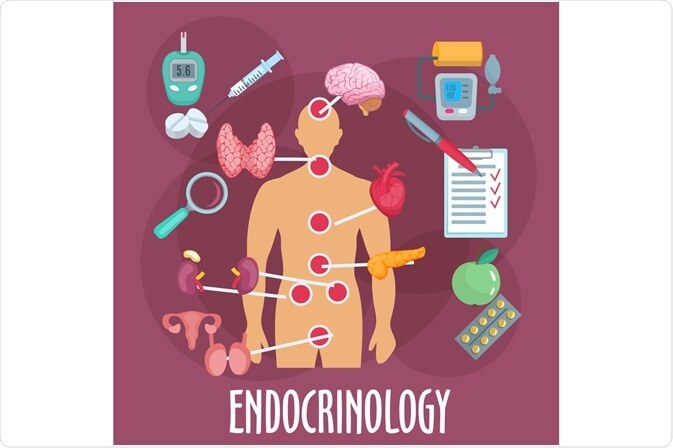
• To develop an understanding of the role of the endocrine system in maintaining homeostasis and health.
• To understand the integrative workings of the human body by studying this signaling systemsOn completion of the course, students will be able to
CO1 Explain the roles of the endocrine system in maintaining homeostasis, integrating growth and development,
responding to environmental insults and promoting successful reproduction
CO2 Investigate how the secretion of hormones is regulated, including the principles of negative and positive
feedback mechanisms
CO3 Apply endocrinological principles to determine the pathophysiological basis and consequences of specific
endocrine disorders
CO4 Understand the role of tumor markers for diagnosis, management and therapeutic selection.
CO5 Correlate the presence of a tumor marker with its associated affected organ system
CO6 Differentiate between carbohydrate-rich tumor markers, protein-rich tumor markers, enzymatic tumor markers,
and oncofetal antigens
• To develop an understanding of the role of the endocrine system in maintaining homeostasis and health.
• To understand the integrative workings of the human body by studying this signaling systemsOn completion of the course, students will be able to
CO1 Explain the roles of the endocrine system in maintaining homeostasis, integrating growth and development,
responding to environmental insults and promoting successful reproduction
CO2 Investigate how the secretion of hormones is regulated, including the principles of negative and positive
feedback mechanisms
CO3 Apply endocrinological principles to determine the pathophysiological basis and consequences of specific
endocrine disorders
CO4 Understand the role of tumor markers for diagnosis, management and therapeutic selection.
CO5 Correlate the presence of a tumor marker with its associated affected organ system
CO6 Differentiate between carbohydrate-rich tumor markers, protein-rich tumor markers, enzymatic tumor markers,
and oncofetal antigens
- Teacher: James John
Category: Allied Health Sciences
|
SAMB4002 |
DIAGNOSTIC MOLECULAR BIOLOGY |
L |
T |
P |
EL |
C |
Total Marks |
|
4 |
0 |
0 |
0 |
4 |
100 |
COURSE OBJECTIVES
Ø To provide a good foundation in molecular biology where importance is laid on the master molecule.
Ø Subject is an emerging discipline with a broad conceptual approach that transcends all sections of anatomic and clinical pathology.
UNIT 1 BASIC PRINCIPLES IN MOLECULAR DIAGNOSTICS 12 Hrs.
Organizations of molecular diagnostic laboratory-Bio-membranes and the sub-cellular organization of eukaryotic cells.
UNIT 2 MOLECULAR STRUCTURE OF GENES AND CHROMOSOMES 12 Hrs.
Organization of cellular DNA into chromosomes –morphology and functional elements of eukaryotic chromosomes –chromosomal organization of genes and non-coding DNA.
UNIT 3 STRUCTURE OF DEOXY NUCLEIC ACIDS (DNA) 12 Hrs.
ABZs of DNA Secondary Structure, Denaturation and Renaturation of DNA, Supercoils and Cruci forms: Tertiary Structure in DNA. DNA replication –repair-recombination –mutation – Regulation of the eukaryotic cell cycle-gene control in development-Cellular energetics.
UNIT 4 RIBONUCLEIC ACID 12 Hrs.
Types and function of RNA. Primary, Secondary and Tertiary Structure of RNA. The role of RNA in protein synthesis-stepwise formation of proteins on ribosome.
UNIT 5 THE SYNTHESIS OF MACROMOLECULES AND THE GENETIC CODE 12 Hrs.
synthesis of biopolymers- nucleic acid synthesiss. Molecular oncology including DNA assay for T and B-cell rearrangement- analysis for translocation, oncogene analysis -translocation gene mutation in various cancer, Molecular histocompatibility testing, forensic identity testing by DNA analysis.
Max. 60 Hrs.
COURSE OUTCOMES
On completion of the course, students will be able to
CO1 - Apply knowledge of cellular structure and function, especially DNA and RNA.
CO2 - Understand the DNA replication, repair and recombination in prokaryotes with that of eukaryotes.
CO3 - To know about RNA synthesis and processing and function of different types of RNA.
CO4 - To know about protein synthesis and inhibition factors of protein synthesis.
CO5 - Apply the knowledge of molecular testing to the most commonly performed applications in the clinical laboratory.
CO6 - To learn about molecular diagnostic procedures and their clinical uses.
TEXT / REFERENCE BOOKS
1. Albert B. Bray D and Lewis J Molecular biology of the cells, 2nd edition New York. Garland Publications 1989.Brown, T.A. (1999). Gene Cloning. 3rd edition. Chapman and Hall Publications, U.S.A.
2. Burrel, M.M. (1993). Enzymes of Molecular Biology, Humana Press.
3. Chirikjian, J.G. (1995). Biotechnology – Theory and Techniques, Vol. II, Jones and Burtlett Publishers.
4. Lewin, B. (2000). Genes VII. Oxford University Press, Oxford.
5. Antony, J.F., Griffiths, Gilbert, W.M., Lewontin, R.C. and Miller, J.H. (2002). Modern genetic analysis, Integrating Genes and Genomes, 2nd edition, WH Freeman and Company, New York.
END SEMESTER EXAMINATION QUESTION PAPER PATTERN
Max. Marks: 100 Exam Duration: 3 Hrs.
PART A : 10 Questions of 2 marks each – No choice 20 Marks
PART B : 5 Questions from each unit with internal choice, each carrying 16 marks 80 Marks
- Teacher: James John
Category: Year 2
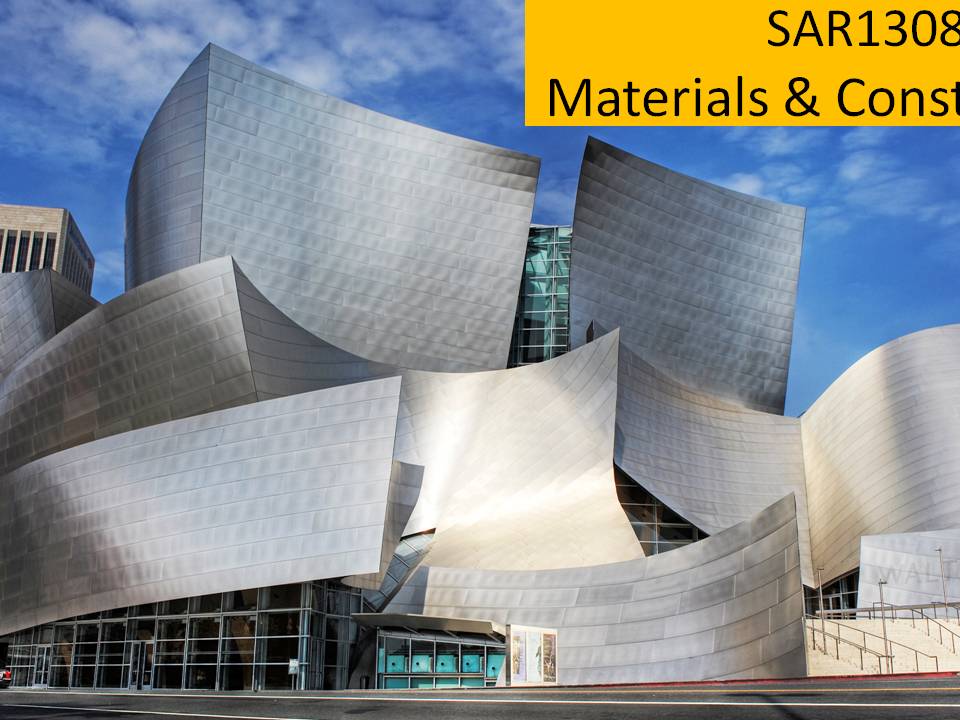
UNIT 1 MANUFACTURED BUILDING MATERIALS - STEEL 6 Hrs.
Iron: brief study on manufacture, composition, properties and uses of cast iron, wrought iron, pig iron - Steel: Composition, Properties, anticorrosive measures, mechanical and heat treatment of steel - Market forms of steel : Steel for Reinforcement - Hot rolled bars, CTD Bars, TMT bars , Welded wire fabrics; Steel for Pre stressed concrete; Structural steel; Stainless steel, steel alloys, current developments.
UNIT 2 STEEL DOORS/ WINDOWS/ VENTILATORS &TRUSSES 8 Hrs.
Different types of doors and windows (open able, sliding etc., methods of construction using steel)- Design and detailing of steel rolling shutter. Design and detailing of steel roof trusses (north-light, tubular, butterfly truss etc.,) including construction methods for roof covering using steel, FRP, polycarbonate, cement fibre sheets etc. Visit to steel structure fabrication site.
UNIT 3 LONG SPAN STRUCTURES 8 Hrs.
Long span roofs using different types and materials (stadium and auditoriums) .Methods of construction using cable structure- principle of cable stayed bridges -space frame structures. Methods of construction using Shell structures and folded plates - various forms and classification of shells and types of folded plates.
UNIT 4 ARCHITECTURAL DETAILING - LARGE GATHERING SPACES 8 Hrs.
Architectural Detailing in public spaces - Fundamentals Geometry Simple Types: Complex Types: Natural Lighting Envelope Landscaping Thermal Control Thermal Control Pressurization and Air Balance Fire Protection/Smoke Control.
- Teacher: Catherine S
- Teacher: Kavitha S
- Teacher: RAJESH KANNAN S
- Teacher: SHOBANA SUBRAMANIAN
Category: EVEN
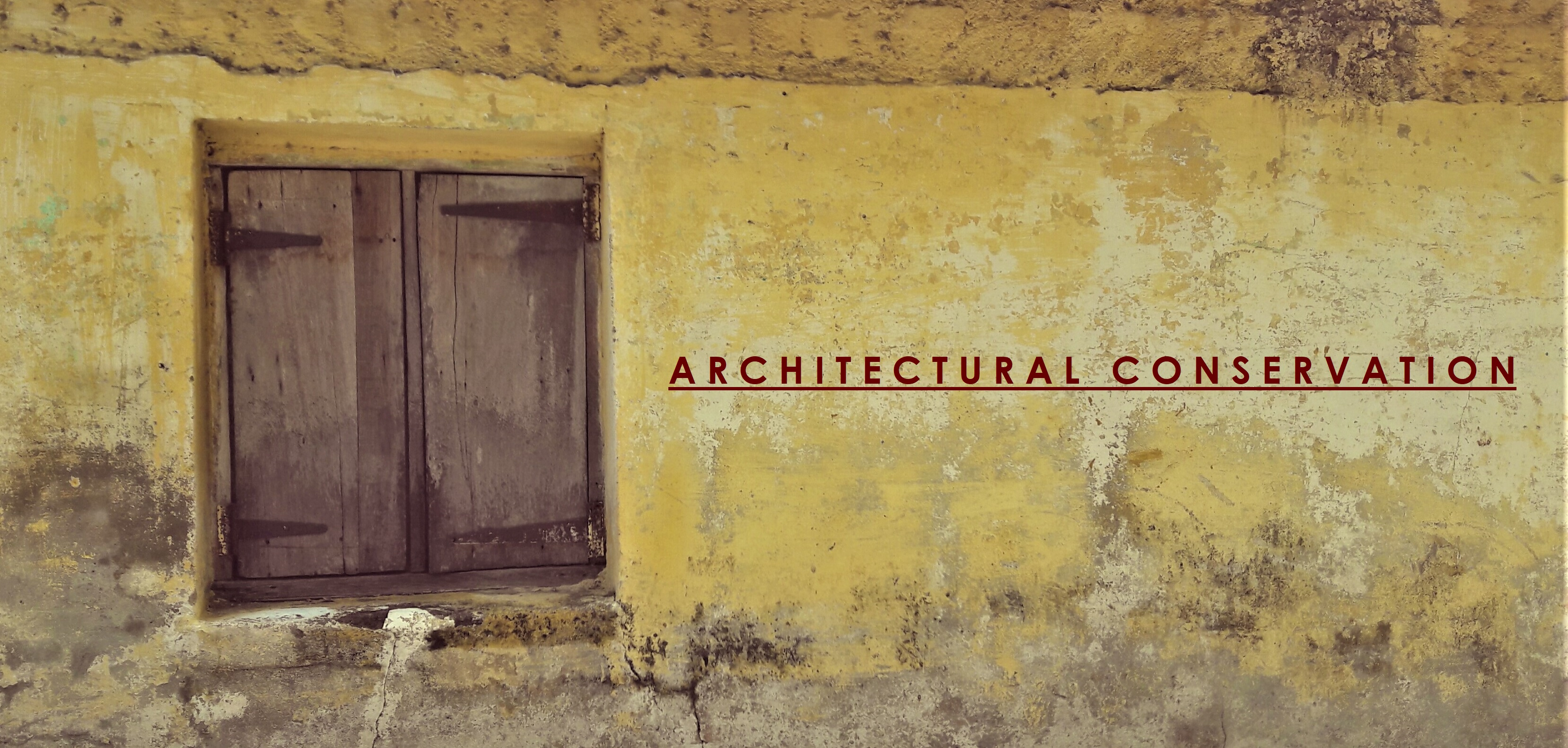
This course facilitates the students to understand various aspects of Architectural Conservation. The intention is to introduce the principles and practices of heritage conservation and an overview of best practices in conservation charters through conservation processes and techniques with case studies
Category: EVEN
COURSE OBJECTIVE
• To introduce the fundamentals of Architectural photography.
UNIT 1 INTRODUCTION
Introduction to architectural photography, interpretation and creation, Recording mediums - film and digital, specialist hardware for image capture, black and white, colour photography, basics of composition.
UNIT 2 FUNDAMENTAL OF PHOTOGRAPHY
Fundamentals- focal length, aperture, exposure, aperture, shutter speed, recording medium, exposure meters, automatic & Techniques, film speed, contrast, Characteristics of lenses-viewing angle, Types of lenses, depth of field, resolution and distortion, multiple exposures.
UNIT 3 EXTERNAL LIGHTING
Understanding light and photography, External lighting- Direction of lighting - front, side, back, shadows, texture, and effects of clouds, light modification, psychological effects, and types of artificial lighting, combined daylight and flash.
UNIT 4 FRAMING VIEWS
Single point and two-point perspective- examples, distortions, emphasizing architectural elements, effect of the camera to subject distance, oblique angles, three-point perspective- applications in interiors and exteriors - composition, symmetric composition, applying the law of thirds - examples, image capture to publication.

- Teacher: Yusuf Chiniwala
Category: EVEN
To expose the students on services and facilities to be provided to urban communities and train them to deal with the challenges posed in the design of multi-functional public community building in an urban setting
FOCUS
Design of simple medium rise buildings in smaller sites with exploration of form integrated with function incorporating barrier free environment principles.
METHODOLOGY PROPOSED
To expose the students to the issues involved through visits to similar typologies / special lectures / orientation on urban challenges (limitation of land / regulations). Students will be encouraged to approach the problem with a three dimensional approach using study models, 3d sketches, etc. Students will work on manual presentations only.
DESIGN INTEGRATION
Students would be exposed to deal with different projects.
SUGGESTED TYPOLOGIES:
· Shopping arcades / malls / bazaar
· Auditorium / performing centres / museums / gaming parlour / club house
· Marriage halls / community halls / memorial complexes
COURSE OUTCOMES
On completion of the course the student will be able to
CO1: Developing an inclination to identify and analyse suitable literature and live case studies appropriate to the design typology
CO2: A thorough understanding of the important local bye laws and Standards applicable to the specific typology
CO3: Developing an appropriate design intent based on notions, ideas with the three dimensional perception as part of design process.
CO4: Integration of the structural grid, parking, services and landscape in architectural design.

- Teacher: Dr. Devyani Gangopadhyay
- Teacher: Kavitha S
- Teacher: SHOBANA SUBRAMANIAN
Category: ODD
COURSE OBJECTIVES
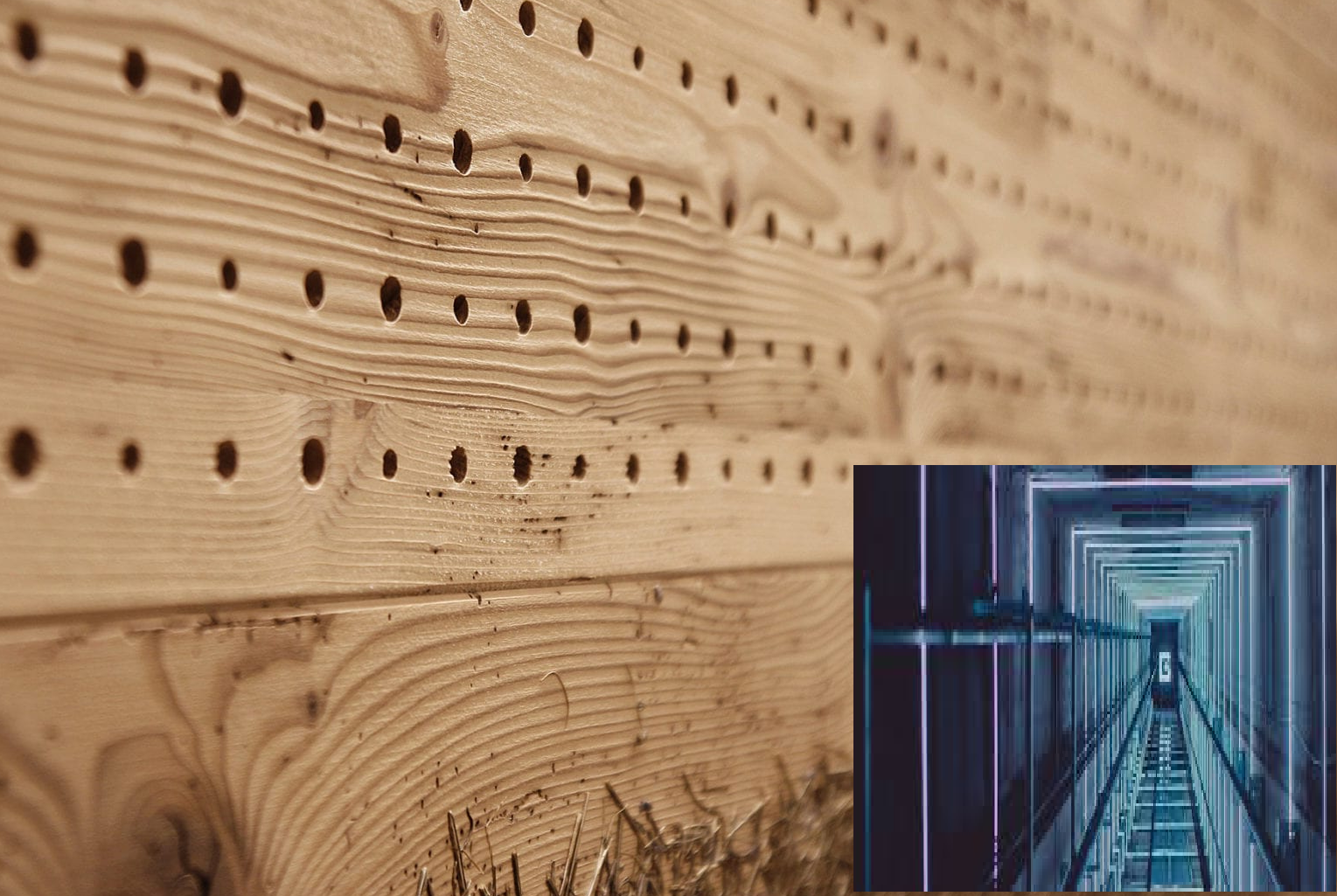
Ø To understand the physics of sound, its characteristics & behavior both indoors and outdoors.
Ø To learn the principles of design with particular reference to acoustics in performing spaces.
Ø To explore the types of mechanical transportation systems and their usage in built environment along with the design parameters.
COURSE OUTCOMES
On completion of the course the student will be able to
CO1: Knowledge on Science of Sound including different types of acoustic materials, their properties and design factors
In the built environment based on the function.
CO2: Comprehend principles of acoustic design and its application in outdoor environment.
CO3: Art and Science of designing performing spaces and broadcasting studios with particular reference to acoustics
CO4: Methods to avoid sound transmission in interior spaces.
CO5: Judicial use of mechanical transportation devices in built environment.
CO6: Total
understanding of design standards of diverse mechanical transportation systems
like elevators and
escalators.
- Teacher: Deepalakshmi S
- Teacher: Kavitha S
- Teacher: PRIYADHARSHINI S
Category: ODD